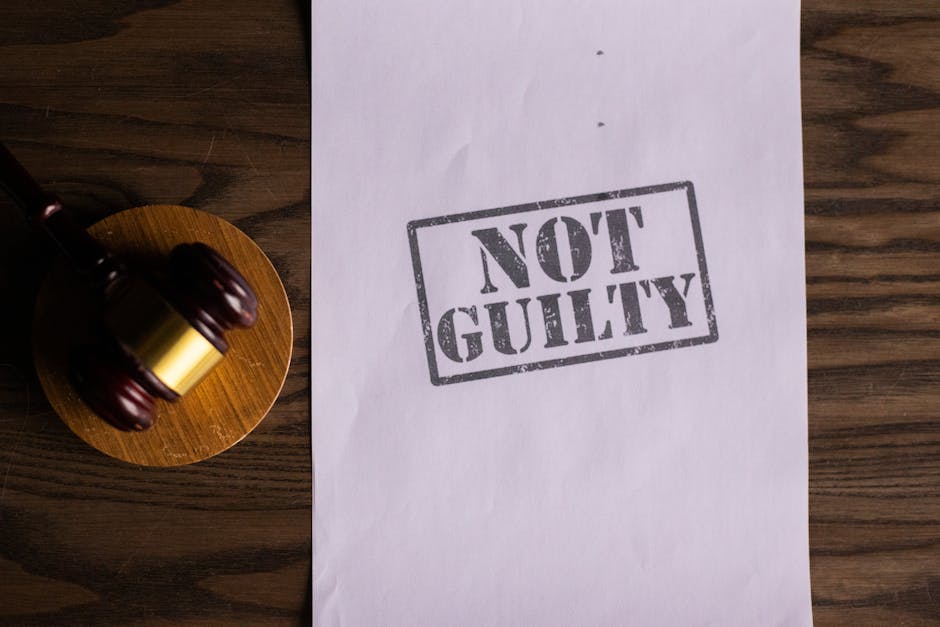
A Delhi trial court on Tuesday acquitted a man charged with manufacturing and selling illicit liquor, ruling that the prosecution failed to present any witnesses to substantiate its recovery allegations. The judge noted that without testimonial evidence, the case could not meet the evidentiary threshold required for conviction.
The accused, whose name was not disclosed pending final reporting, had been arrested last year after a police raid on a suspected moonshine operation in the city’s outskirts. Authorities had claimed to have seized large quantities of unlicensed alcohol and seized assets worth several crore rupees, but the court found no corroborating statements from victims, informants, or forensic experts.
Legal counsel for the defense argued that the prosecution’s case rested solely on police reports and seized material, which, in the absence of witness testimony, could not establish the accused’s direct involvement. The judge concurred, emphasizing that the principle of ‘innocent until proven guilty’ demands concrete, admissible evidence beyond mere possession.
The acquittal comes amid a broader crackdown on illicit liquor across India, where state governments have intensified raids following a spate of deaths linked to spurious alcohol. Critics have warned that low conviction rates may embolden illegal distillers, while law‑enforcement agencies argue that procedural lapses, such as missing witnesses, hinder effective prosecution.
Human rights groups have also highlighted the case, noting that prolonged pre‑trial detention without solid evidence can violate basic legal safeguards. They called for reforms to ensure that investigations are thorough and that victims are protected and encouraged to testify.