Punjab Chief Minister Bhagwant Mann announced on Wednesday that his government will seek a formal pact with the Confederation of Indian Industry (CII) to address the state’s chronic crop‑residue problem. Mann said the collaboration will focus on accelerating sustainable residue‑management practices, reducing field burning, and improving air quality across the agricultural belt.
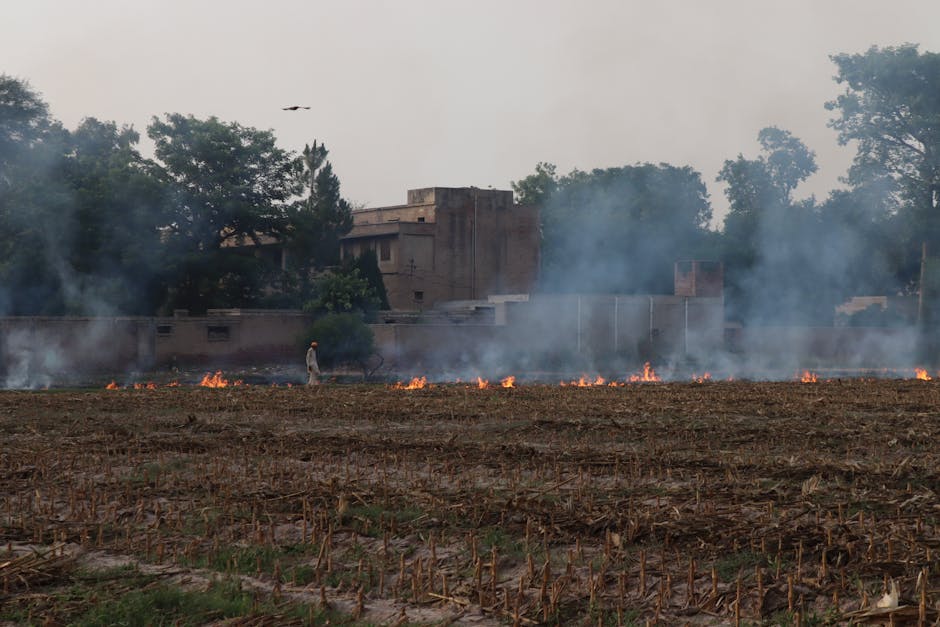
The proposal comes as Punjab continues to grapple with the seasonal burning of wheat and rice stubble, a practice that contributes to severe smog episodes in Delhi and surrounding regions. According to the state’s agriculture department, more than 10 million tonnes of residue are left each year, and existing mechanisms such as the use of balers and the government’s “PM‑Kisan” scheme have not curbed the practice sufficiently.
Mann highlighted that CII’s network of agritech firms and research institutions can provide the technical know‑how and market linkages needed to scale alternatives like bio‑char production, composting, and mechanised residue collection. He also pledged to facilitate knowledge‑exchange workshops that would bring together farmers, industry experts, and state officials to showcase best‑practice models from other Indian states and abroad.
The CM underscored that the partnership will extend beyond residue handling to strengthen horticulture in Punjab. By leveraging CII’s expertise, the state aims to introduce high‑value fruit and vegetable varieties, improve cold‑chain logistics, and promote precision‑farming tools that can raise farmer incomes while reducing environmental impact.
While the exact terms of the agreement remain under discussion, Mann said a draft MoU could be ready within weeks, pending approval from the state cabinet and CII’s senior leadership. He urged the agricultural community to cooperate fully, noting that collective action is essential to meet both climate and livelihood goals.