
India
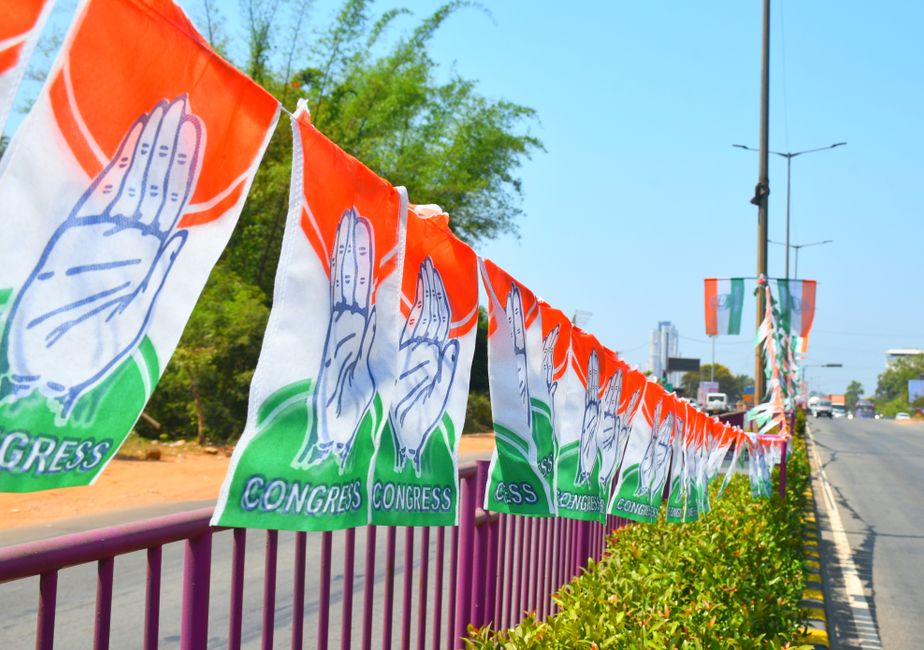
Congress party flags hanging on a roadside railing in Mangaluru, India, symbolizing political promotion.
Photo: Ganesh Adyapady

Karnataka to revive student union elections without caste quota, adds women‑reserved seats

Karnataka will restart college and university student union elections this academic year, dropping caste‑based quotas and reserving a set of seats for women to foster leadership and democratic practice.

The Karnataka state government announced that student union elections in colleges and universities will be held again from the upcoming academic year, ending a ban that lasted more than two decades.

Unlike earlier arrangements, the revived polls will not include any caste‑based reservation. Instead, a specific number of seats will be earmarked exclusively for women candidates, a move aimed at improving gender balance in campus leadership.

ALSO READ | Punjab Chief Minister urges CII partnership to tackle crop residue waste

Education officials said the decision is intended to train students for future leadership roles and to reinforce democratic values within academic institutions, which have long been deprived of formal student representation.

The policy shift follows a broader national conversation about affirmative action and gender equity in higher education. Karnataka’s education department will issue detailed guidelines on seat allocation, nomination procedures and voting mechanisms before the first elections are scheduled.

Stakeholders, including university administrators and student groups, have been invited to submit feedback on the implementation plan. The government has pledged to monitor the process closely to ensure fairness and to address any concerns about representation.

Video: HM Shri Amit Shah at Times Now Summit, New Delhi (27 March 2026)
Watch on YouTube ↗
Why This Matters

Reinstating student unions restores a channel for student voices in policy discussions, potentially influencing campus governance, curriculum decisions and welfare measures. By removing caste quotas, the state signals a shift toward merit‑based participation while still addressing gender disparity through reserved seats for women.

The move also sets a precedent for other Indian states grappling with the balance between affirmative action and inclusive representation. How Karnataka manages the transition could shape future debates on reservation policies in higher‑education institutions across the country.

Reporting based on verified dispatches from The Hindu. View primary release ↗
Stay Connected
Follow SamacharDaily on Instagram

Visual explainers, infographics, and daily news briefings on your feed.

More in India