World
Flood Survivors in Nepal Grapple with Loss, Urgent Needs and Uncertain Rebuilding
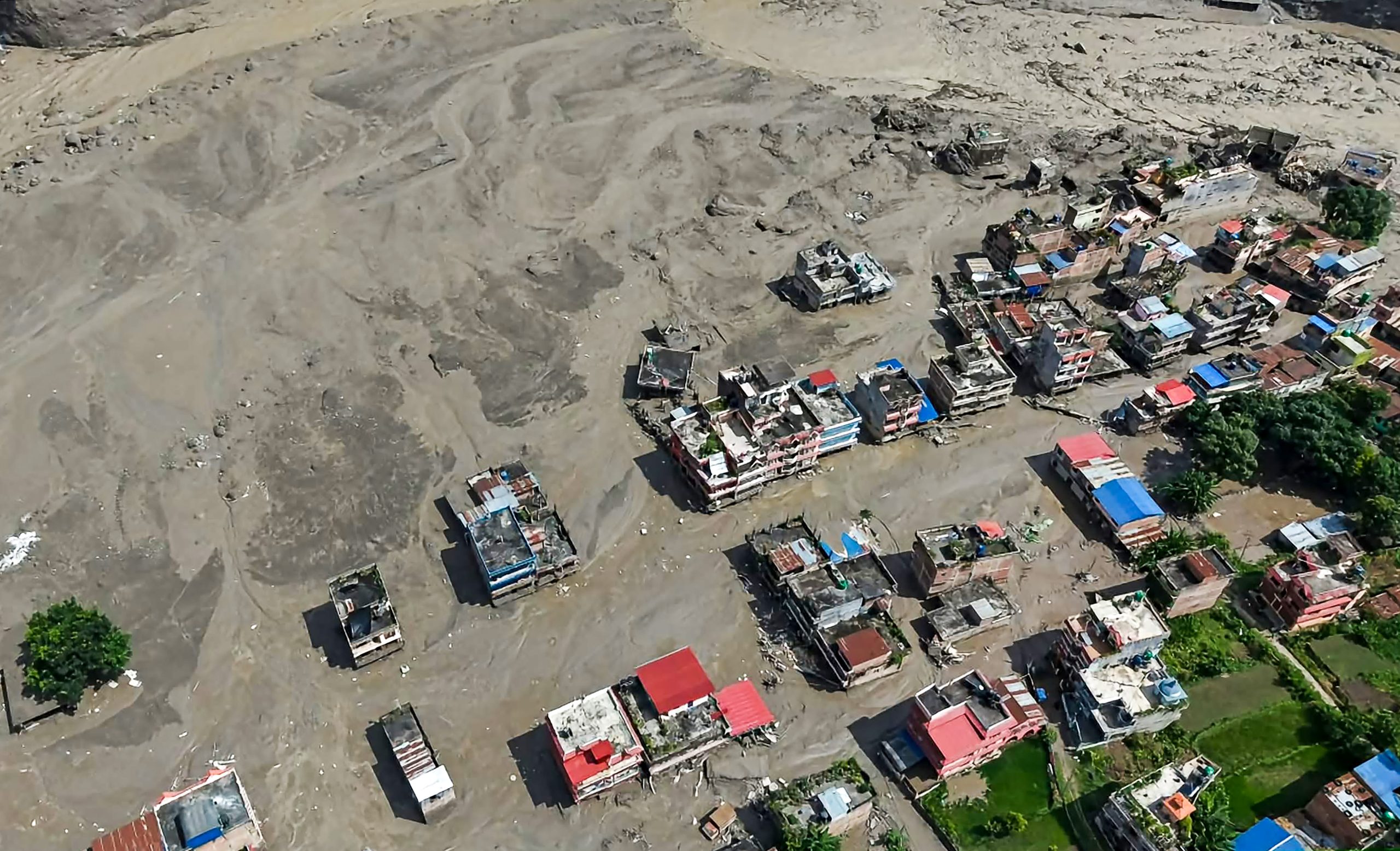
Photo: The New York Times

Flood Survivors in Nepal Grapple with Loss, Urgent Needs and Uncertain Rebuilding

Hundreds of families displaced by recent floods in Nepal are left with destroyed homes, lost livelihoods and limited access to food, water and medical aid, while the path to recovery remains unclear.

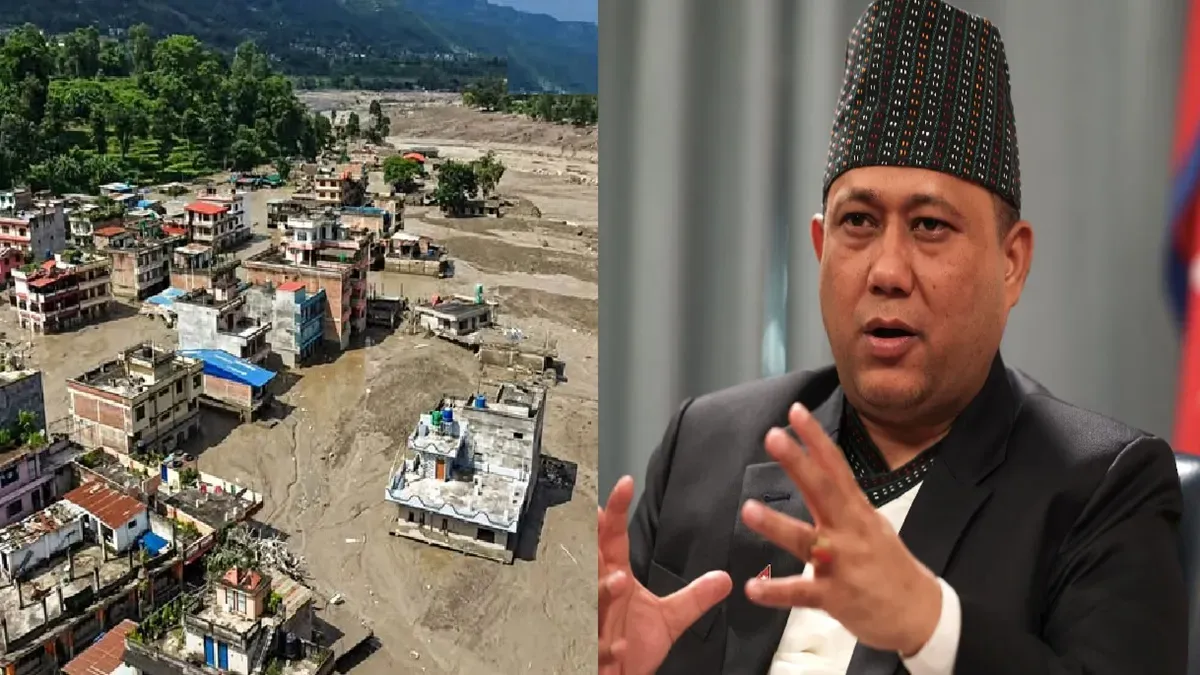
The monsoon‑triggered floods that swept through Nepal’s hilly districts this week have inundated villages, washed away roads and collapsed bridges, leaving an estimated thousands of households without shelter. The National Disaster Risk Reduction and Management Authority reports that more than 1.2 million people are directly affected, with dozens of deaths and many injured.

Relief agencies, including the Nepal Red Cross Society and international partners such as UNICEF, have set up emergency camps and are distributing food, clean‑water kits and basic medical supplies. However, logistical bottlenecks caused by landslides and damaged transport routes are slowing aid delivery, and many survivors remain in makeshift shelters vulnerable to disease outbreaks.

ALSO READ | Bangladesh measles surge kills three children, death toll tops 1,000

Local officials say the government has earmarked emergency funds and is coordinating with the United Nations Office for the Coordination of Humanitarian Affairs to conduct a rapid needs assessment. Community leaders stress that rebuilding will require not only reconstruction of homes but also restoration of agriculture, schools and livelihoods, which could take months or years.
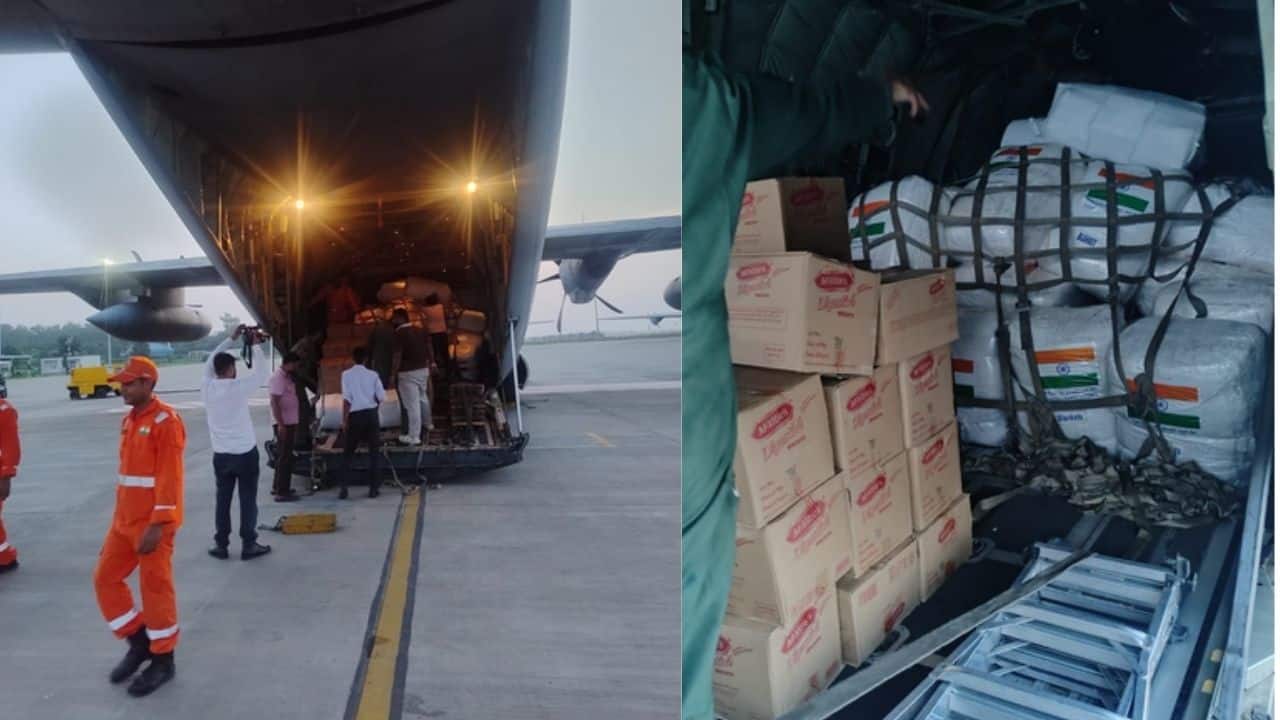
Video: Nepal Floods: Inside the Main Army Rescue Camp as Evacuations Continue
Watch on YouTube ↗
Why This Matters

The crisis threatens a secondary humanitarian emergency as stagnant water and overcrowded camps raise the risk of water‑borne diseases, putting additional strain on Nepal’s already stretched health system. It also underscores the growing vulnerability of mountainous regions to climate‑induced extreme weather, prompting calls for stronger disaster‑risk planning.

Economically, the floods disrupt agricultural cycles that feed millions, potentially driving food‑price inflation and deepening poverty in rural districts. Politically, the government’s response will be scrutinized ahead of upcoming local elections, influencing public confidence in disaster‑management institutions.

Reporting based on verified dispatches from The New York Times. View primary release ↗
Stay Connected
Follow SamacharDaily on Instagram

Visual explainers, infographics, and daily news briefings on your feed.

More in World