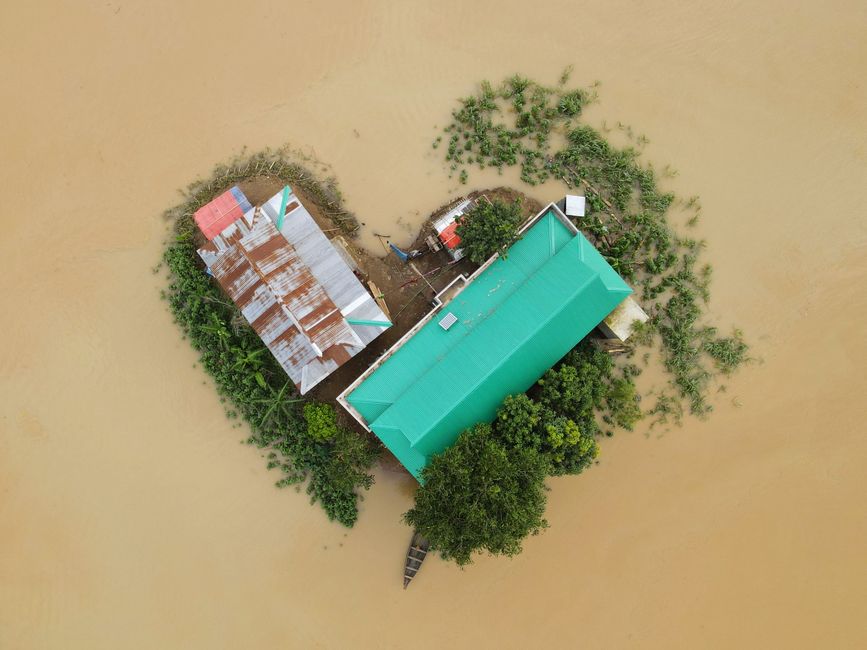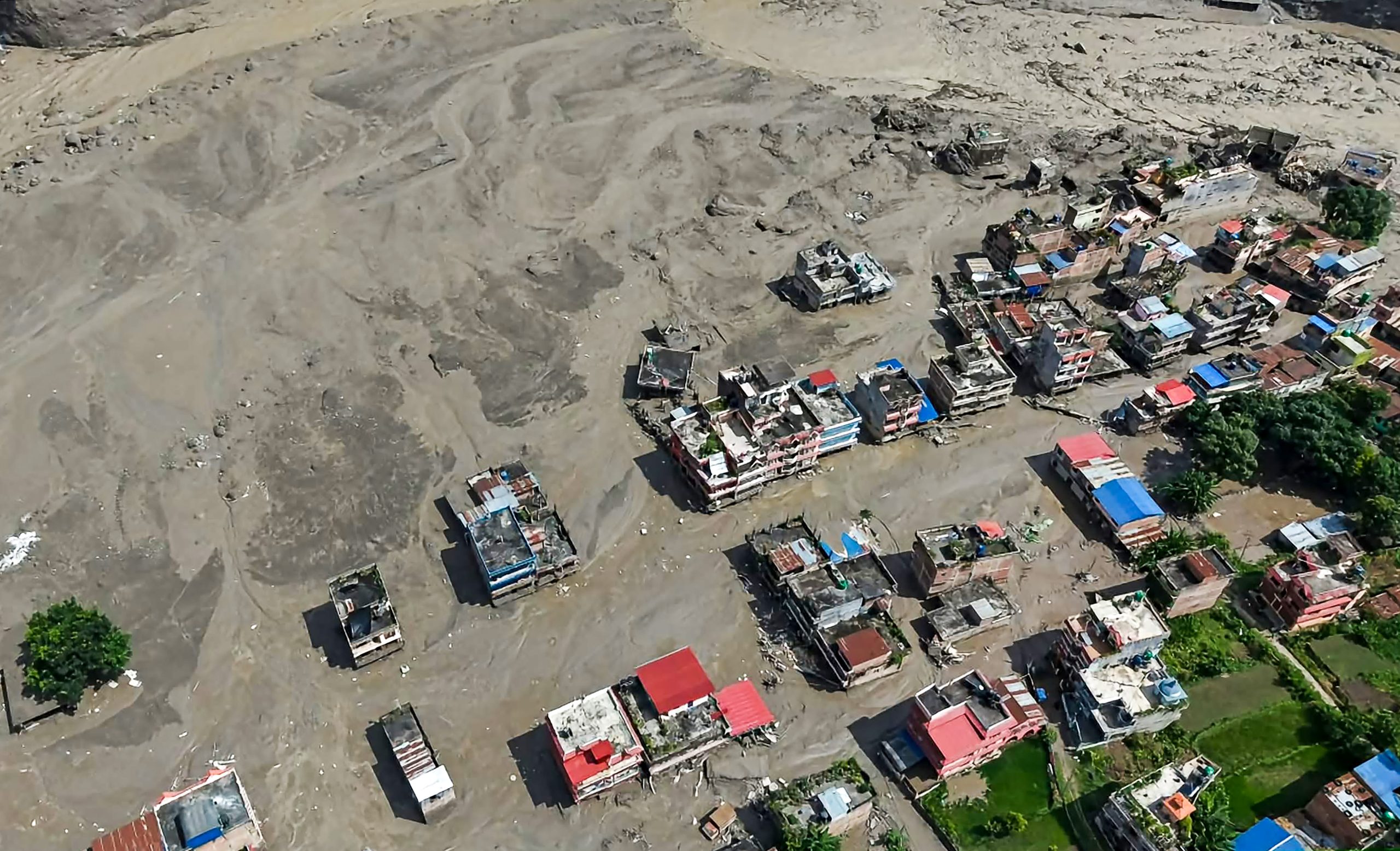
The monsoon‑triggered flash floods that swept across Nepal’s eastern districts and parts of Tibet have claimed 579 lives, according to Nepal’s National Disaster Risk Reduction and Management Authority. The agency also confirmed that 1,924 people remain unaccounted for and 101 injured are receiving treatment in local hospitals.
Rescue operations in Nepal have been hampered by landslides, washed‑out roads and ongoing after‑effects of the deluge. The government has mobilised the army, police and civilian volunteers to search for the missing, while setting up temporary shelters and medical camps for displaced families. Relief supplies are being air‑dropped to isolated villages where ground access remains impossible.
India has stepped up its humanitarian assistance, deploying a joint task force of army engineers, medical teams and disaster‑relief units to the border. The aid package includes food rations, clean‑water kits, temporary shelters and mobile medical units, coordinated through the Indian Ministry of External Affairs and Nepal’s disaster management authority.
The crisis underscores the vulnerability of the Himalayan region to extreme weather events, raising urgent questions about climate‑change adaptation and disaster‑risk planning. With thousands still missing, the humanitarian fallout could strain Nepal’s already limited resources and trigger secondary health and economic challenges.
Cross‑border cooperation is now pivotal; India’s rapid response reflects both a humanitarian imperative and a strategic interest in stabilising a neighboring nation. Effective coordination can set a precedent for future regional disaster frameworks, while any lapse could exacerbate migration pressures and affect bilateral ties.
Reporting based on coverage from Newsonair