India
Nepal floods force families to scour Kathmandu hospitals for missing kin
Photo: Deccan Herald

Nepal floods force families to scour Kathmandu hospitals for missing kin

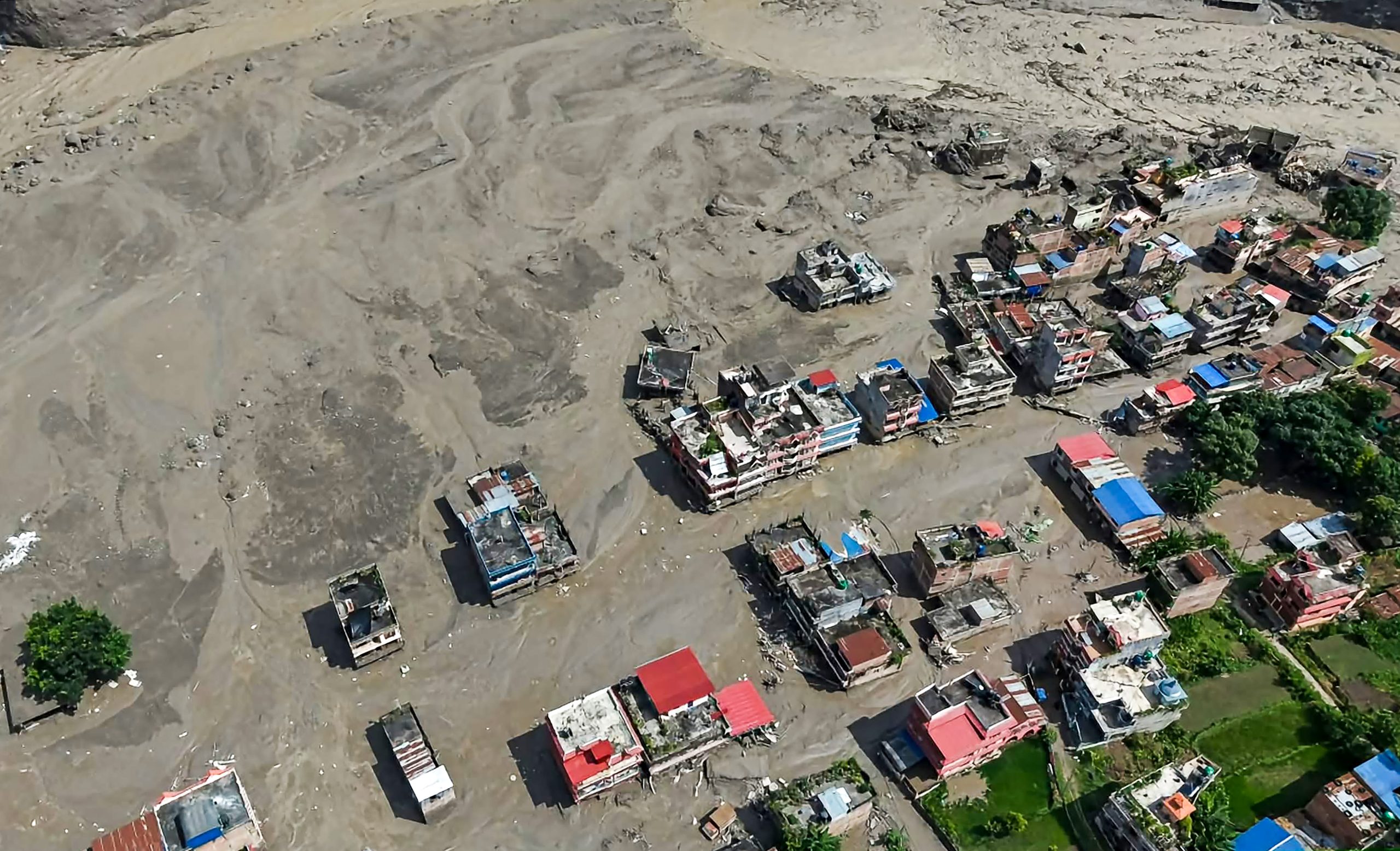
As relentless rain continues, families in Kathmandu comb hospitals and mortuaries for relatives lost in Nepal’s worst floods in years, while Indian pilgrims from the Kailash Mansarovar Yatra await news of missing loved ones.

Heavy monsoon rains have triggered flash floods across Nepal’s central hills, submerging villages and washing away roads that connect remote districts to the capital. In Kathmandu, families arrive at overcrowded hospitals and mortuaries, often without electricity or reliable mobile service, hoping to locate loved ones whose whereabouts remain unknown.

Rescue teams from Nepal’s army and the Nepal Red Cross are hampered by landslides that block key highways, while damaged telecom towers leave many without the ability to contact relatives. Indian citizens who joined the Kailash Mansarovar Yatra – a high‑altitude pilgrimage that traverses the flood‑hit region – are also stranded, with families in India anxiously awaiting confirmation of their status.

ALSO READ | India and ASEAN Nations Chart Scalable Agricultural Cooperation at Summit

Local authorities have set up temporary information desks at major hospitals, but the influx of desperate relatives has overwhelmed staff. Volunteers are distributing printed lists of missing persons, and some NGOs are using satellite phones to relay updates to embassies, yet the overall coordination remains fragmented.
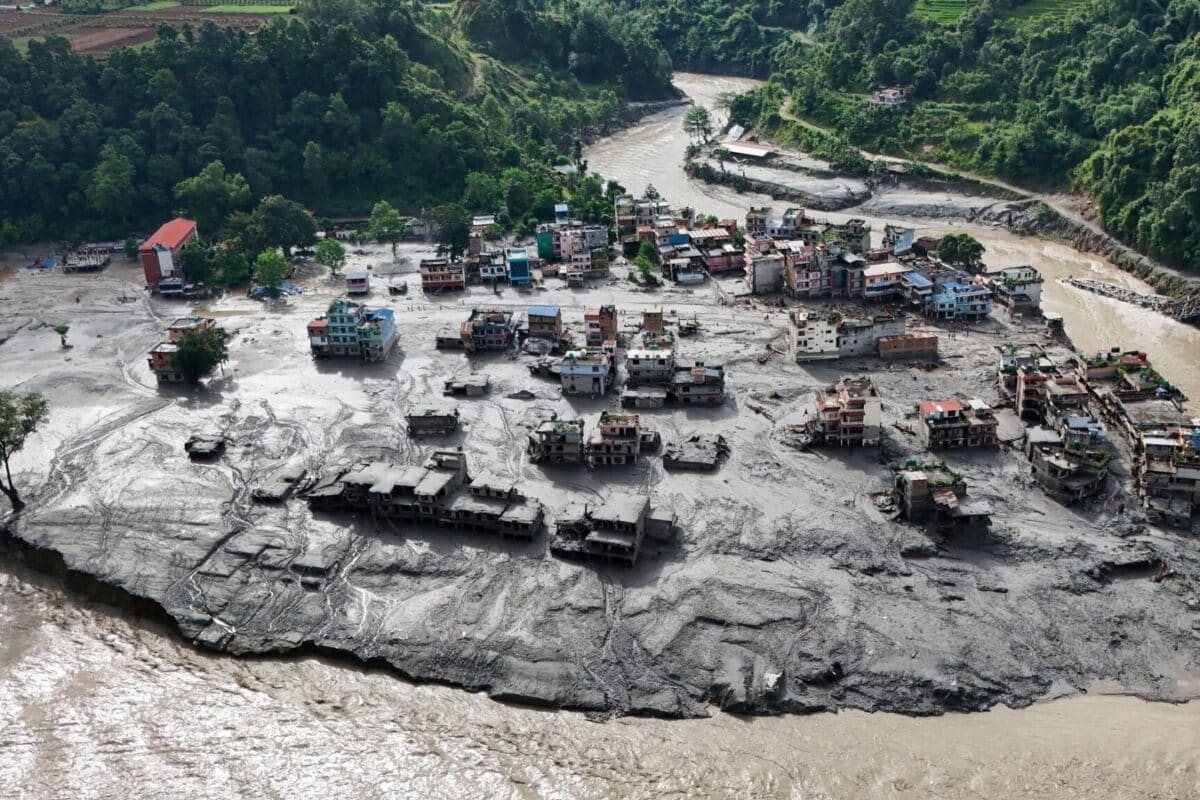
Video: Nepal flash floods: Families search for missing loved ones at Kathmandu hospitals
Watch on YouTube ↗
Why This Matters

The disaster underscores the fragility of cross‑border humanitarian coordination, as thousands of Indian pilgrims depend on Nepal’s emergency infrastructure during the Yatra. A breakdown in communication not only deepens personal grief but also strains diplomatic ties between the two nations.

Beyond immediate rescue, the floods expose systemic gaps in Nepal’s disaster‑response framework—particularly in road resilience and mobile network redundancy. Addressing these weaknesses is crucial for safeguarding future pilgrimage seasons, tourism revenue, and the safety of trans‑national communities that regularly traverse the Himalayas.

Reporting based on verified dispatches from Deccan Herald. View primary release ↗
Stay Connected
Follow SamacharDaily on Instagram

Visual explainers, infographics, and daily news briefings on your feed.

More in India