Beijing announced on Sept 2 that the sole highway linking the Gyirong border crossing in Tibet with Nepal is now fully open, a week after the route was torn and rendered impassable. The reopening was confirmed by Chinese authorities who said the road had been cleared of debris and restored to operational status, allowing vehicles to once again travel the critical overland corridor.
The Gyirong road is the only overland artery that connects the Tibetan Autonomous Region with the southern neighbor, serving as a lifeline for trade, tourism and humanitarian logistics. Its closure had halted the flow of goods and aid, forcing reliance on air transport and longer detours that strained both Chinese and Nepali supply chains. The swift restoration underscores the strategic importance Beijing places on maintaining uninterrupted cross‑border connectivity.
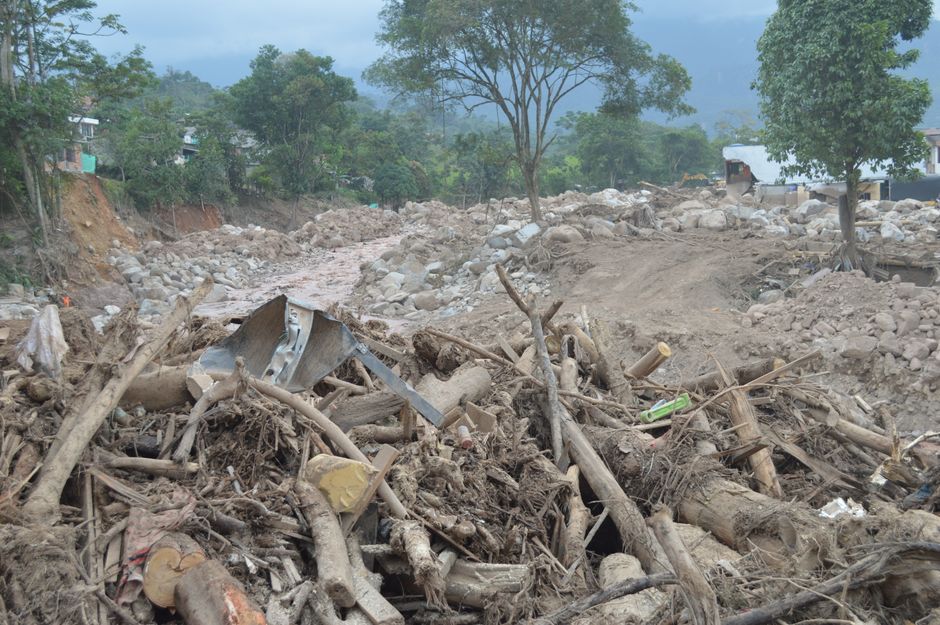
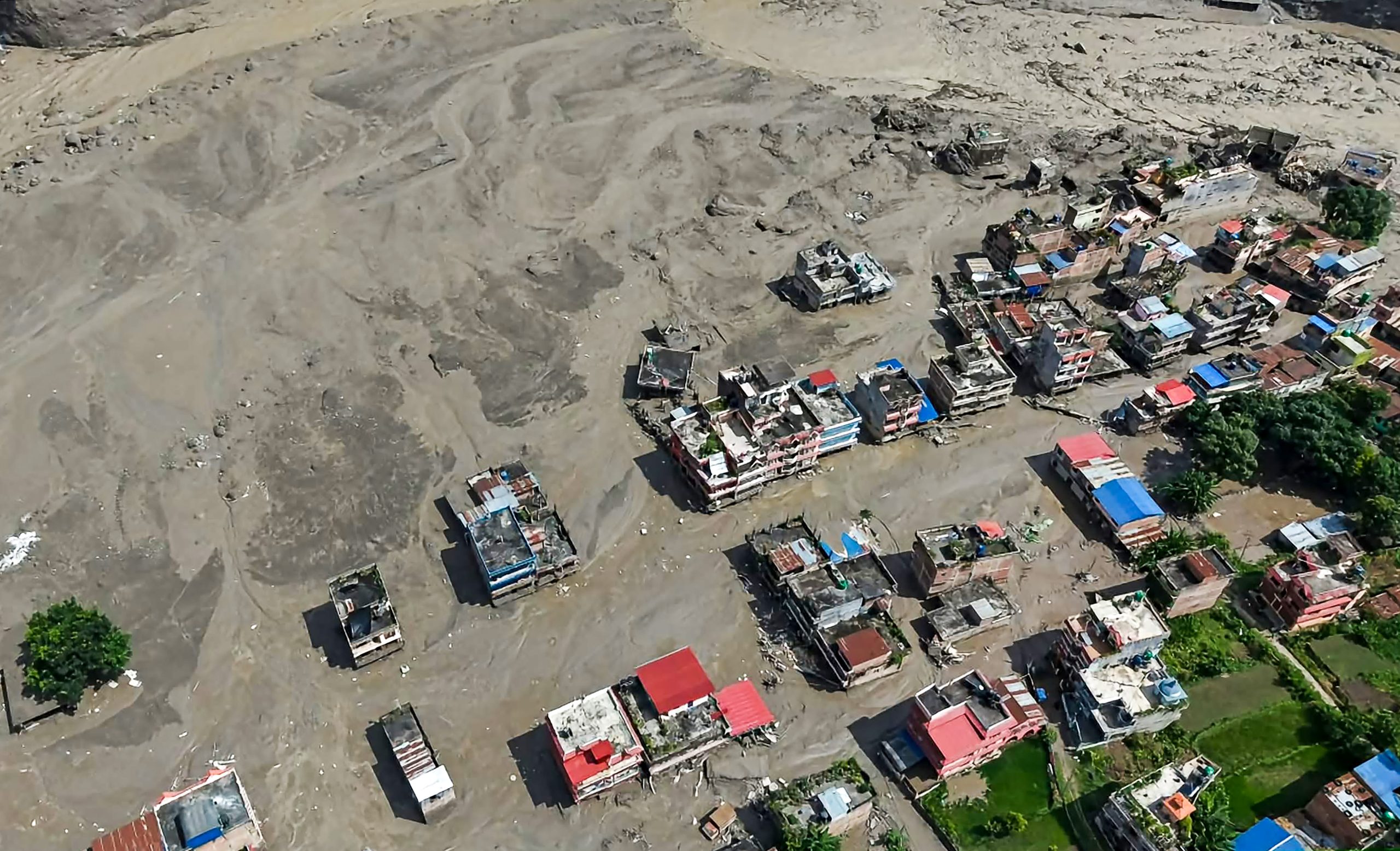
The damage to the highway occurred a week earlier when a sudden landslide ripped through the mountainous stretch, severing the pavement and collapsing supporting structures. Emergency crews from the People's Liberation Army, local fire departments and disaster‑relief units were deployed immediately to assess the damage, clear the rubble and reinforce vulnerable sections. By the end of the fifth day, engineers reported that the most critical gaps had been bridged, paving the way for the final reopening.
Even as the road is back in service, search and rescue operations remain active in the disaster zone. Teams equipped with helicopters, ground vehicles and canine units continue to comb the affected terrain for survivors and bodies, a task officials describe as “intensifying” amid challenging weather conditions. The Chinese Ministry of Emergency Management has urged families to stay patient while it works to account for all missing persons.
The reopening is expected to accelerate the delivery of relief supplies to communities still reeling from the landslide’s impact and to revive cross‑border trade that fuels local economies on both sides of the Himalayas. Nepali officials have welcomed the development, noting that the Gyirong crossing is a key conduit for agricultural products, fuel and consumer goods that support livelihoods in remote mountain districts.