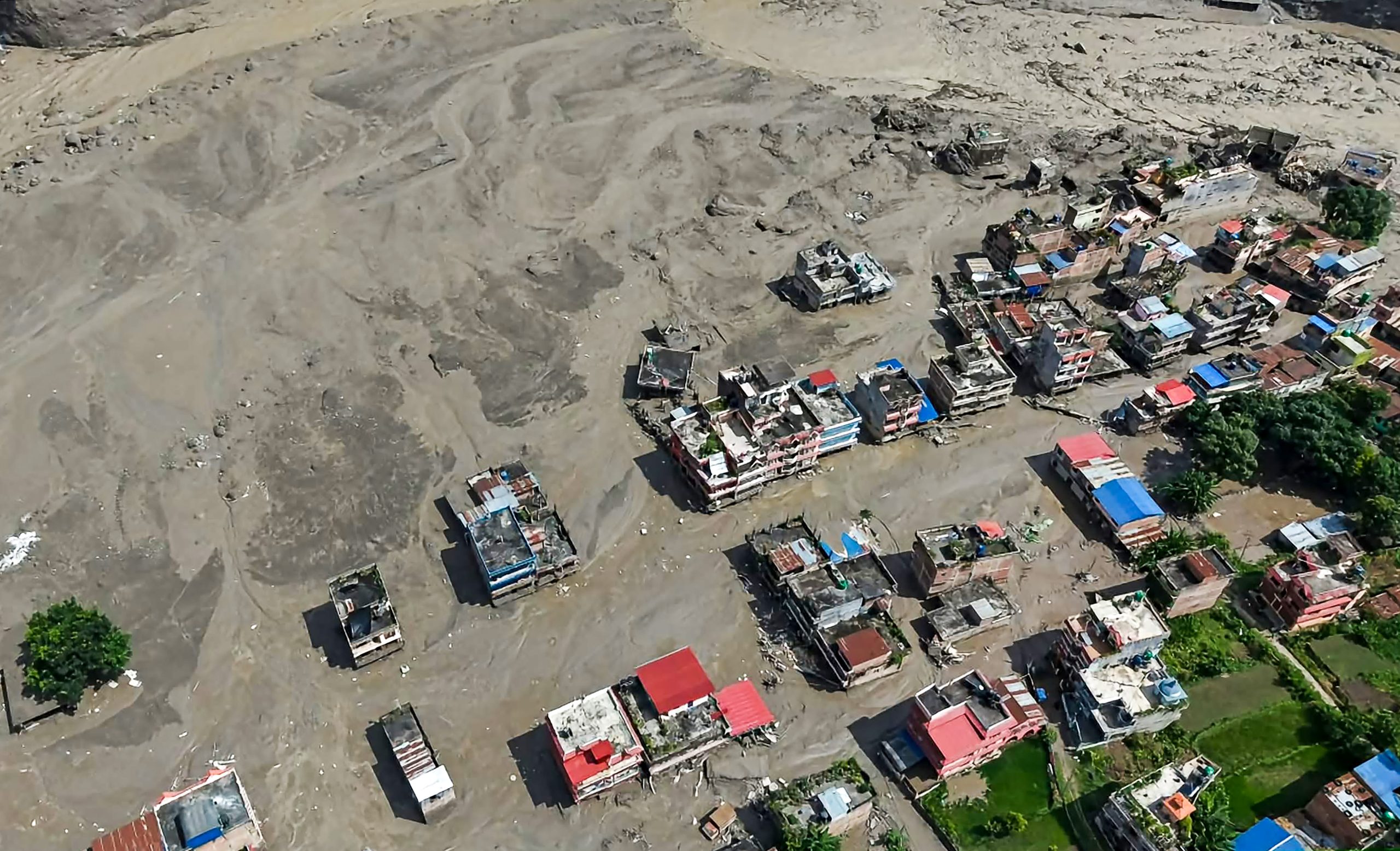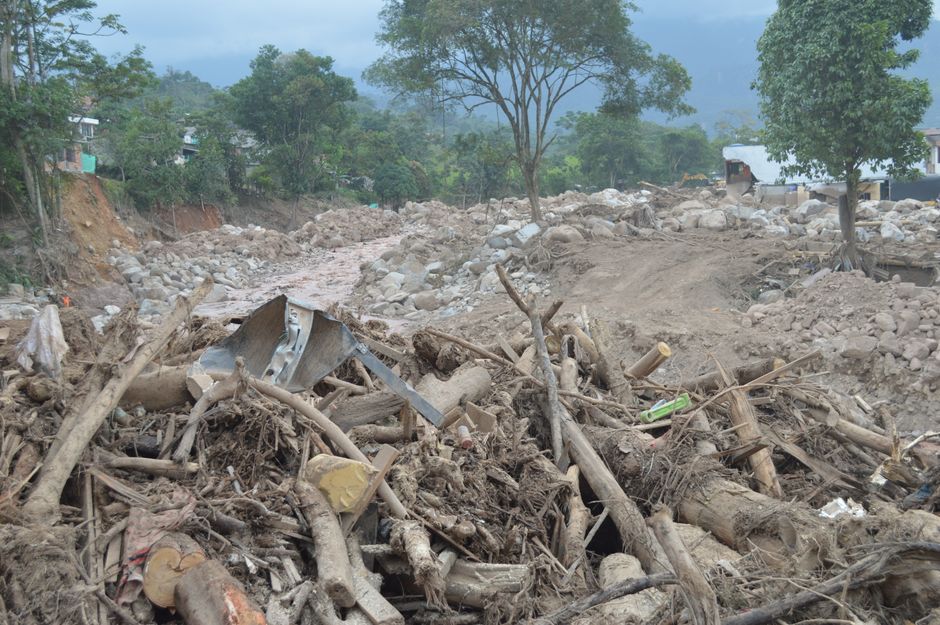
Rescue operations in Nepal's Rasuwa district have entered a grim new phase more than five days after the disaster, as teams wade through knee-deep silt and tangled debris to recover bodies trapped beneath collapsed houses. The terrain, described as a swamp of mountain debris, has made it nearly impossible for heavy machinery to operate safely, forcing rescuers to construct makeshift wooden and metal walkways just to reach affected structures.
Nepal Army personnel and civilian rescue workers are now operating in protective gloves and masks, a precaution driven by the public health threat posed by decomposing remains. Officials say the longer victims remain buried, the higher the risk of disease outbreak in the surrounding settlements, where several villages now resemble graveyards.
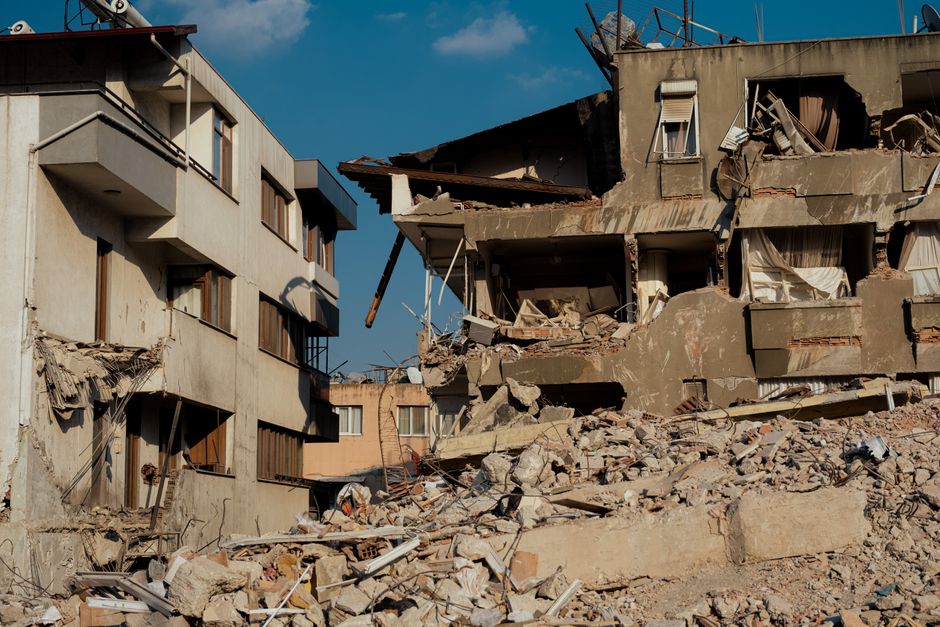
In one of the most distressing discoveries so far, rescue teams believe between 10 and 15 bodies are buried under the debris of a single damaged house. Recovery efforts at the site are continuing despite unstable ground and the constant danger of further landslides or structural collapse.
Helicopters have been pressed into service to airlift recovered bodies out of the cut-off, hill-bound hamlets, where road access has been severed by the same debris fields rescuers are now navigating on foot. The aerial evacuations have become a critical lifeline as ground teams push deeper into settlements that have been largely unreachable since the initial disaster.
Local officials have warned that the full human toll is still being counted, with the combination of difficult terrain, foul-smelling debris and the risk of contamination slowing the recovery process. Despite the hazards, teams say they will continue combing the wreckage until every reported victim has been accounted for.