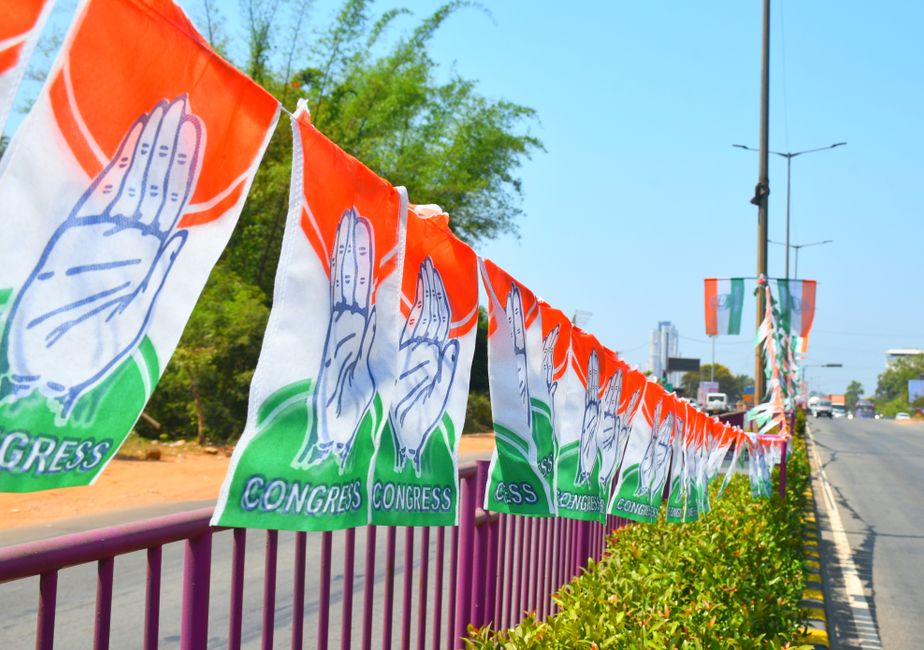
On campuses in Bengaluru, Mysuru and smaller towns, thousands of students staged coordinated protests this week, demanding immediate action on chronic teacher shortages and crumbling school infrastructure. The demonstrators carried placards reading “Education First” and “Enough is Enough,” while chanting slogans that linked their grievances to the broader political agenda of the state’s ruling party.
The protests come at a time when Karnataka’s education budget is under intense scrutiny. According to the state’s latest financial statements, only 10.7% of the total budget is allocated to schools, a share that falls short of the average spending levels of other Indian states. Experts cited by the Deccan Herald argue that the current allocation leaves a widening gap in teacher recruitment, classroom maintenance, and learning resources, especially in rural districts where the shortfall is most acute.
Education has traditionally been a peripheral issue in Karnataka’s electoral calculus, but the surge in student activism is reshaping the narrative. Political analysts note that parties are now forced to address the sector directly, as voters—particularly young voters and parents—are increasingly making education a litmus test for candidate credibility. The ruling party has defended its spending record, pointing to recent initiatives such as digital classroom pilots and scholarship schemes, while opposition leaders have seized on the protests to demand a comprehensive overhaul of the funding formula.
Stakeholders from teachers’ unions to civil‑society think tanks have joined the chorus, urging the state government to raise its education share to at least match the national average. They warn that without a decisive fiscal boost, Karnataka risks falling behind in key human‑development indicators, which could have long‑term economic repercussions. The call for higher allocations is also framed as a prerequisite for implementing the central government’s new AI‑driven curriculum reforms, which require robust infrastructure and trained personnel to be effective.
In response to the mounting pressure, the state’s finance minister announced a review of the education budget, promising a detailed report within the next month. While no concrete figures were disclosed, officials indicated that the review would examine teacher recruitment pipelines, school renovation priorities, and potential re‑allocation of funds from non‑essential projects. The outcome of this review is expected to shape the policy discourse in the run‑up to the state elections later this year.