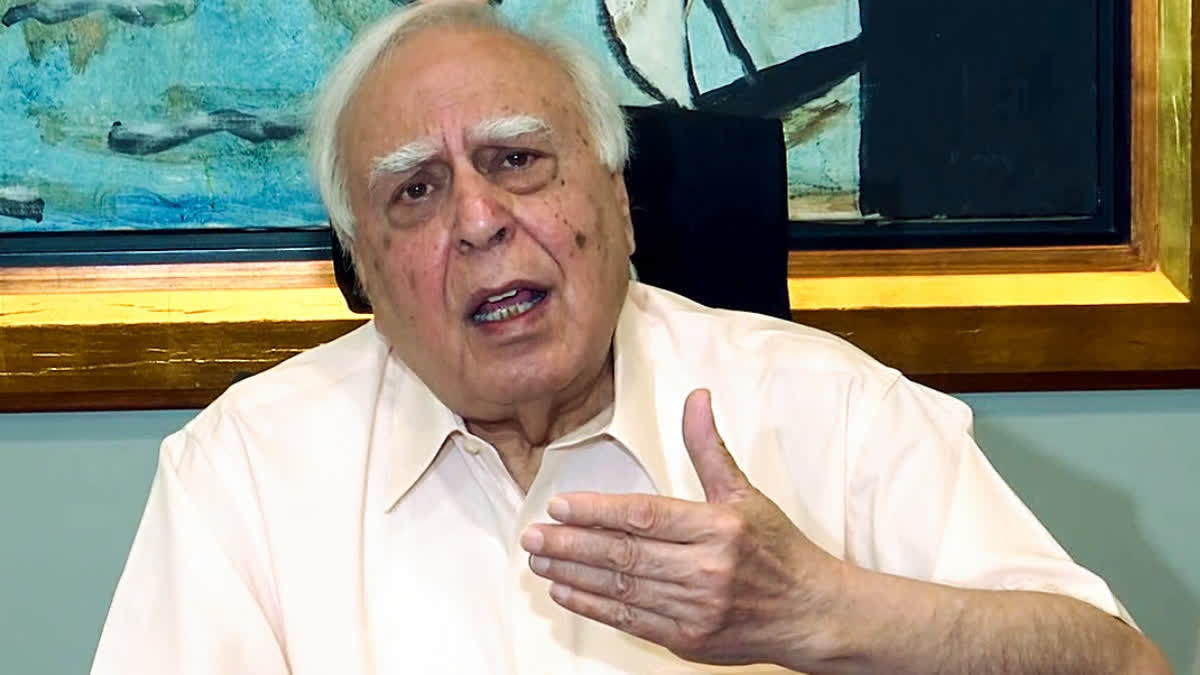
Senior Rajya Sabha member Kapil Sibal publicly addressed remarks made by RSS chief Mohan Bhagwat, who declared that the concept of unity in diversity is part of Bharat’s very DNA and must be celebrated, respected and accepted. Sibal’s comments, delivered in a press briefing, underscored the political weight of Bhagwat’s statement and highlighted the ongoing discourse on communal harmony in India.
Bhagwat’s declaration comes from the Rashtriya Swayamsevak Sangh (RSS), a long‑standing cultural organization that positions itself as a guardian of Hindu cultural values. By framing unity in diversity as a genetic trait of the nation, Bhagwat sought to reinforce a narrative that seeks to bridge communal divides while reaffirming the RSS’s vision of a cohesive society. The phrasing “Bharat’s DNA” signals an appeal to a shared national identity that transcends religious lines.
Kapil Sibal, a veteran politician and former Union minister, responded by acknowledging the importance of the sentiment but also cautioned that rhetoric must translate into concrete policies that protect minority rights. He emphasized that celebrating diversity requires not only symbolic statements but also actionable measures in education, law enforcement and public welfare that ensure equitable treatment for all communities.
The exchange occurs against a backdrop of heightened sensitivity around communal issues, with recent debates in Parliament and civil society about the balance between cultural nationalism and secularism. While Bhagwat’s remarks aim to project inclusivity, critics argue that the RSS’s historical stance often aligns with majoritarian perspectives. Sibal’s intervention reflects a broader push from opposition leaders to hold the government accountable for safeguarding constitutional guarantees of religious freedom.
Analysts note that the dialogue between a senior RSS figure and a prominent opposition MP could influence upcoming legislative discussions on minority protection bills and educational curricula. Both leaders’ statements are likely to be cited in media narratives and may shape public opinion ahead of the next electoral cycle, where communal harmony remains a pivotal campaign theme.