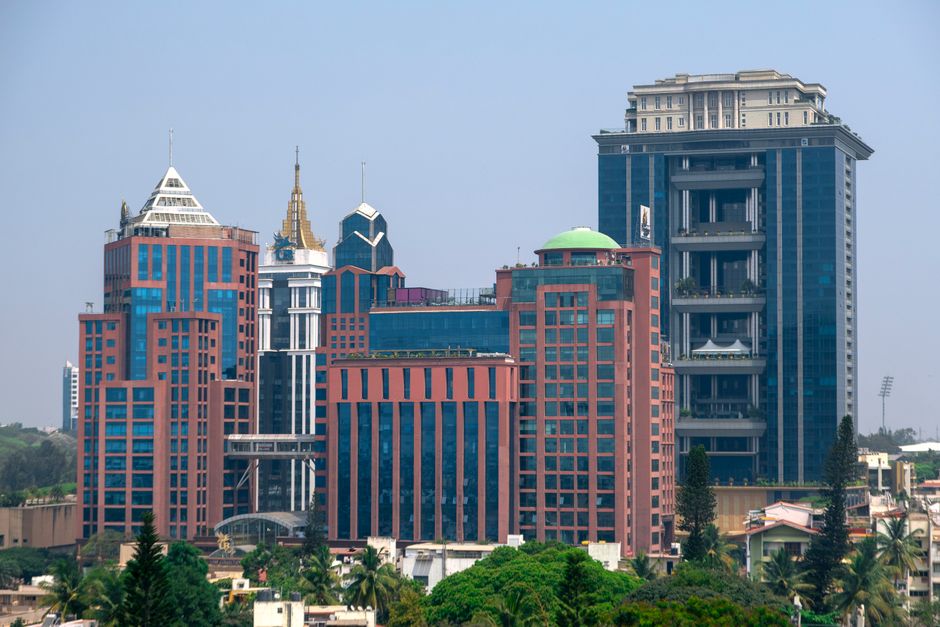
Organisers of a high‑profile "peptide party" in Bengaluru announced the event’s cancellation on Tuesday, citing unresolved safety and regulatory questions. The gathering was intended to showcase the latest developments in peptide‑based supplements that have become a hallmark of Silicon Valley’s longevity movement.
The longevity trend, which began in California’s tech hubs, promotes short chains of amino‑acid compounds—commonly called peptides—as a way to boost metabolism, improve skin health, and slow age‑related decline. Companies in the United States have turned these compounds into a multi‑billion‑dollar market, often marketing them as over‑the‑counter wellness products despite limited clinical validation.
Scientific experts caution that while peptides are biologically active, the evidence supporting many of the claimed benefits remains preliminary. Peer‑reviewed studies typically involve small sample sizes, and the long‑term safety profile of many commercially available formulations is not well established. Regulatory agencies in several countries have issued warnings about unverified health claims and the potential for contamination during manufacturing.
In India, the Food Safety and Standards Authority (FSSAI) has yet to issue comprehensive guidelines specific to peptide supplements, leaving a regulatory gray area. Consumer advocacy groups have warned that the rapid influx of such products could outpace the ability of authorities to monitor quality and enforce labeling standards.
The Bengaluru event’s abrupt termination underscores the tension between a burgeoning wellness market and the need for scientific rigor. Organisers reportedly decided to halt the program after receiving feedback from health professionals and legal advisors who highlighted the lack of clear evidence and potential liability concerns.