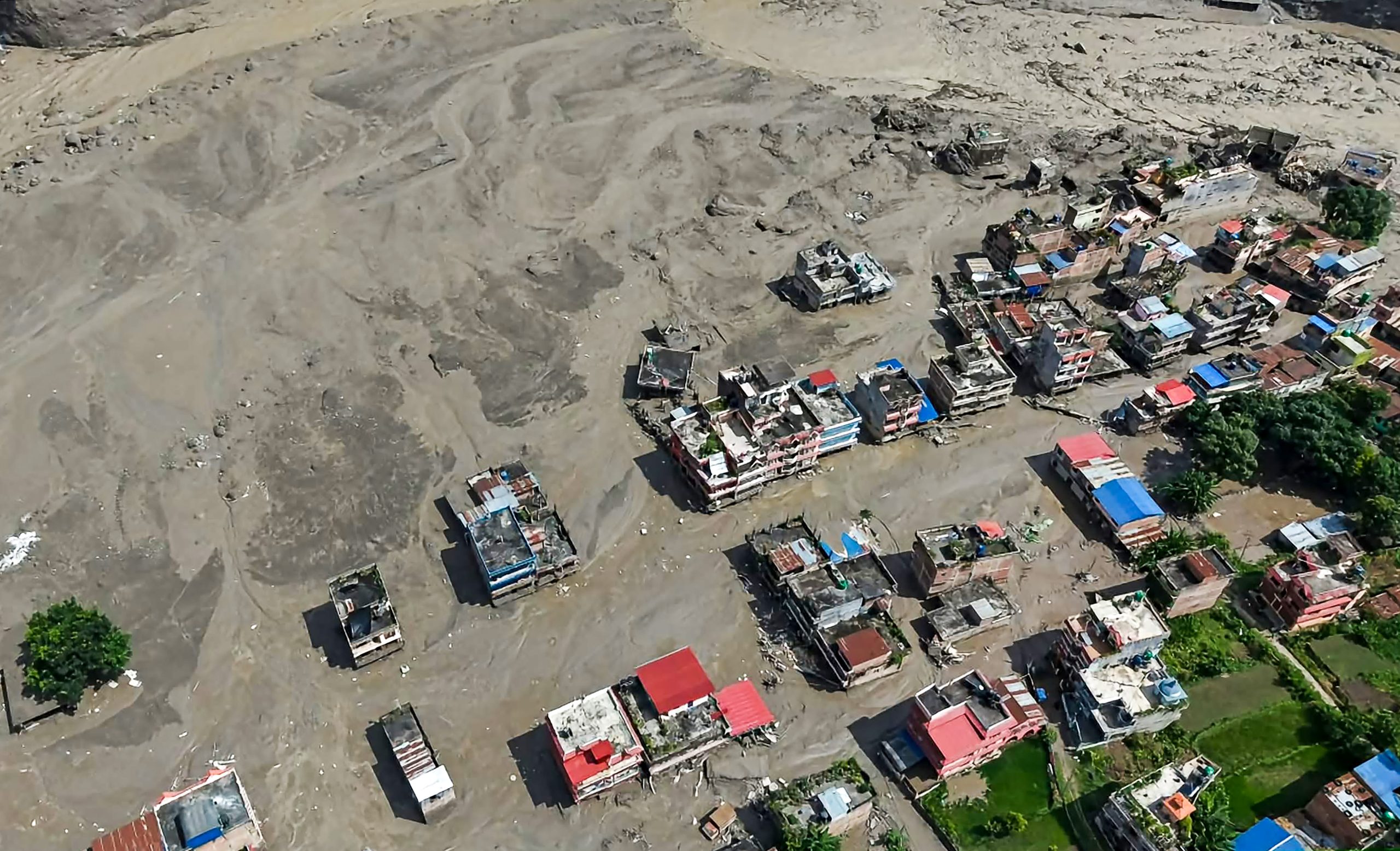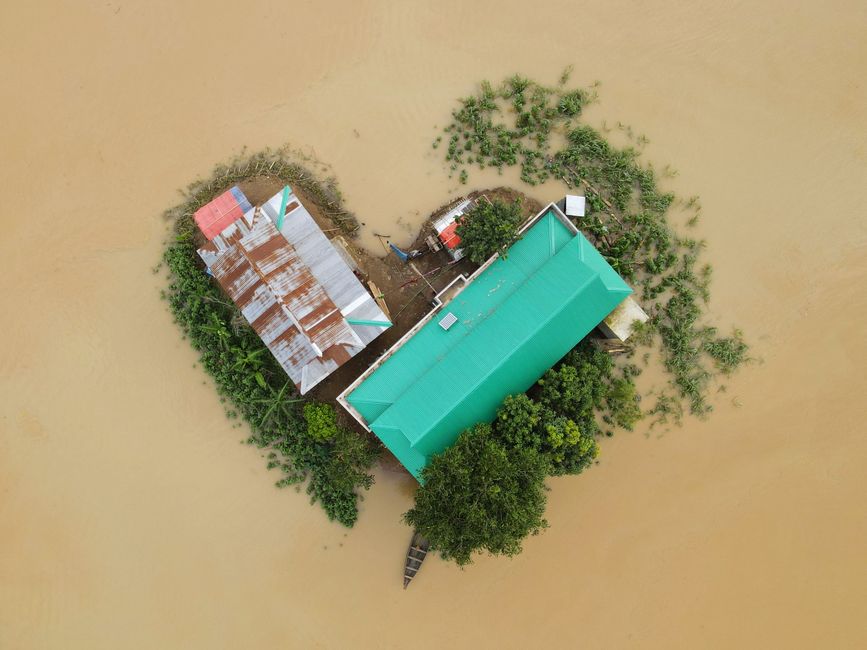
The death toll from the devastating flash floods sweeping Nepal climbed to 1,252 on Thursday, according to Nepal Police, as recovery teams continued pulling bodies from affected areas more than a week after the initial disaster. The figure marks one of the deadliest flood-related events the Himalayan nation has faced in recent years, with new recoveries reported daily across multiple districts.
Data released by Nepal Police shows that Chitwan district has borne the heaviest toll, with 355 bodies recovered from the affected zone alone. The concentration of fatalities in Chitwan underscores how the district's river systems and low-lying settlements became a focal point of the disaster, with floodwaters inundating homes, farmlands, and infrastructure across the region.
Beyond Chitwan, police records indicate that additional bodies have been retrieved from surrounding districts as search and rescue operations expanded. The rising casualty count comes alongside continued concerns about thousands of people who remain missing, complicating efforts by authorities to determine the final scope of the tragedy. Relief teams, including security personnel and local volunteers, have been working through challenging terrain to locate the missing.
Kathmandu-based authorities are coordinating the response, though the scale of the destruction has placed significant strain on Nepal's disaster management capacity. The flash floods, triggered by intense rainfall, swept through multiple districts, displacing communities and destroying critical infrastructure including roads, bridges, and communication links that have hampered relief operations in remote areas.
The disaster has drawn attention to Nepal's vulnerability to climate-driven extreme weather events, with mountainous topography and rapidly flowing rivers amplifying the destructive power of sudden downpours. Officials have urged residents in vulnerable zones to remain on alert as weather conditions continue to be monitored, while humanitarian agencies assess the longer-term needs of survivors who have lost homes and livelihoods.