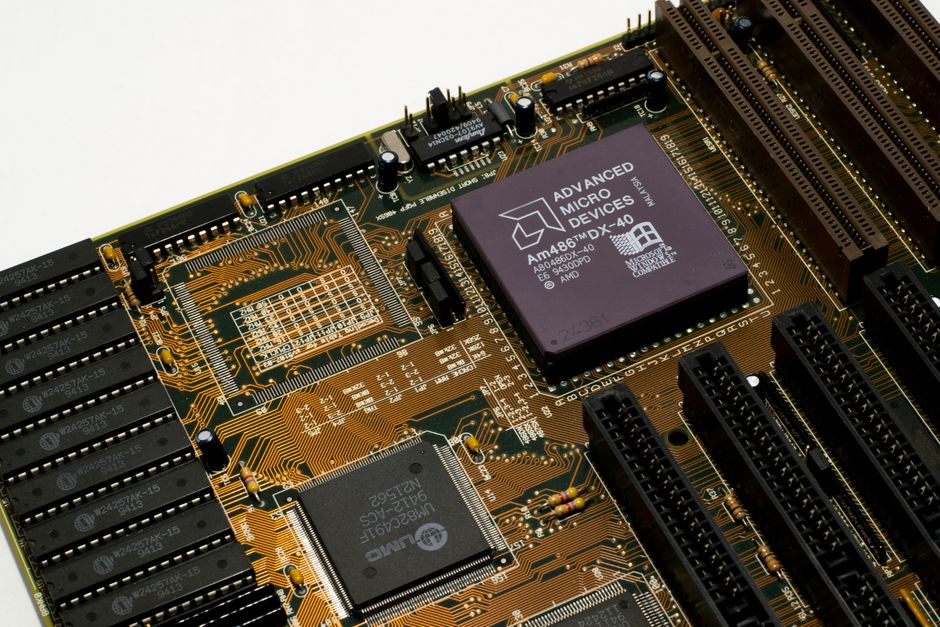
AMD’s line‑up of CPUs and APUs has become a staple for PC gaming enthusiasts, who prize the brand for its performance‑to‑price ratio and frequent architectural upgrades. While the chips are celebrated in benchmarks and review videos, a surprising number of users have never considered the physical site where these processors are produced.
The company’s business model centers on in‑house design and external fabrication. AMD engineers develop the processor architecture and specifications, then contract the actual silicon manufacturing to specialized foundries that operate large‑scale wafer fabs. This separation of design and production is common in the semiconductor industry, allowing AMD to focus on innovation while leveraging the advanced process technologies of its manufacturing partners.
Understanding the manufacturing location matters for several reasons. First, the geographic distribution of fabs influences supply‑chain resilience, especially amid global chip shortages and geopolitical tensions. Second, the process technology employed at a particular plant can affect power efficiency, clock speeds, and overall performance of the final product. Finally, transparency about where chips are made can shape consumer perception of quality and corporate responsibility.
Recent coverage has highlighted the knowledge gap among gamers, noting that while performance metrics are widely discussed, the origin of the silicon remains obscure. Articles and forum threads now point out that the lack of public information on AMD’s fab locations can leave buyers uninformed about the broader ecosystem that supports their hardware choices.
As the conversation around supply‑chain security and sustainable manufacturing gains momentum, the question of AMD’s processor origins is likely to become more prominent. Greater visibility into the fabs that churn out these chips could drive demand for clearer disclosures and potentially influence future purchasing decisions among the gaming community.