OpenAI has not yet opened the proverbial floodgates for its latest GPT-6 Astra model, but early chatter on platforms such as X and Reddit suggests the system exhibits a pronounced tendency to spawn a multitude of autonomous agents. The observations, shared by developers and AI enthusiasts, indicate that the model’s architecture encourages the creation of parallel processes that can operate independently, a feature that has not been highlighted in previous GPT releases.
The proliferation of agents aligns with a broader theme of agent orchestration that OpenAI has been exploring in recent research papers. In this paradigm, a central AI model delegates tasks to a network of specialized sub‑agents, each handling a discrete function such as data retrieval, reasoning, or execution. Social‑media users note that GPT-6 Astra appears to amplify this approach, generating a larger pool of agents than earlier models, thereby deepening the orchestration layer.
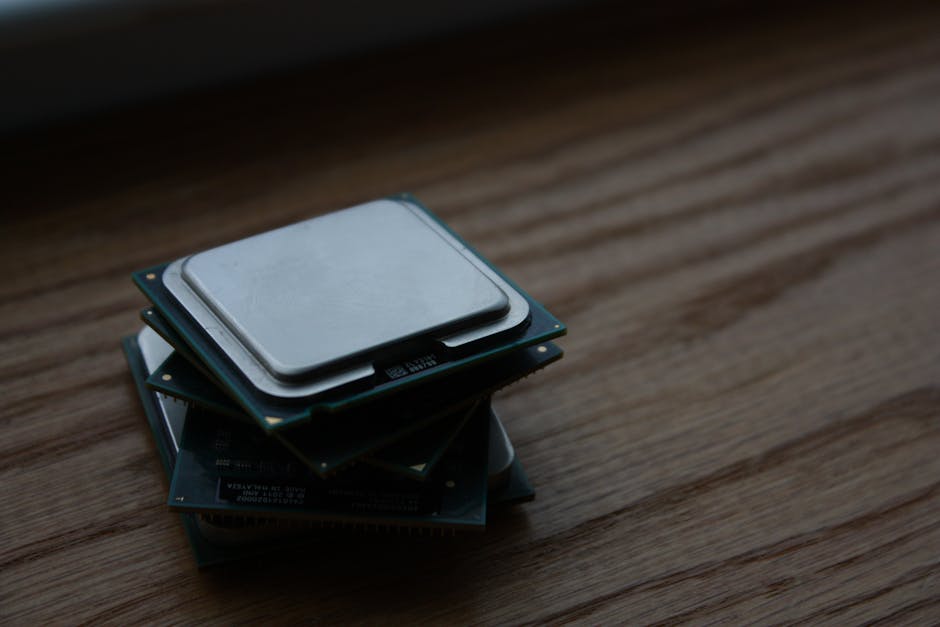
Historically, large language models have relied heavily on cloud‑based GPU clusters to deliver the compute power required for inference and training. GPT-6 Astra’s reported ability to run its agent swarm on local CPUs marks a departure from that model, suggesting a shift toward more distributed, edge‑focused AI workloads. By leveraging the processing capabilities of standard desktop and server CPUs, the model could reduce latency and lower dependence on expensive GPU infrastructure.
The shift has immediate implications for the semiconductor market. Intel and AMD, the two dominant manufacturers of x86 CPUs, stand to benefit from a surge in demand if developers adopt GPT-6 Astra for on‑premise applications. Industry analysts have flagged the development as a potential “demand windfall” for both firms, anticipating increased orders for high‑core‑count processors that can sustain the parallel agent workloads described by early observers.
While the buzz around GPT-6 Astra is growing, OpenAI has not released official performance metrics or a public rollout schedule. The company’s silence leaves the scale of the anticipated hardware demand uncertain, but the conversation has already prompted chip makers to monitor the situation closely and to prepare supply‑chain adjustments in anticipation of a possible uptick in CPU sales.