PM Modi expected to attend EU summit in Brussels in December as India‑EU trade deal looms
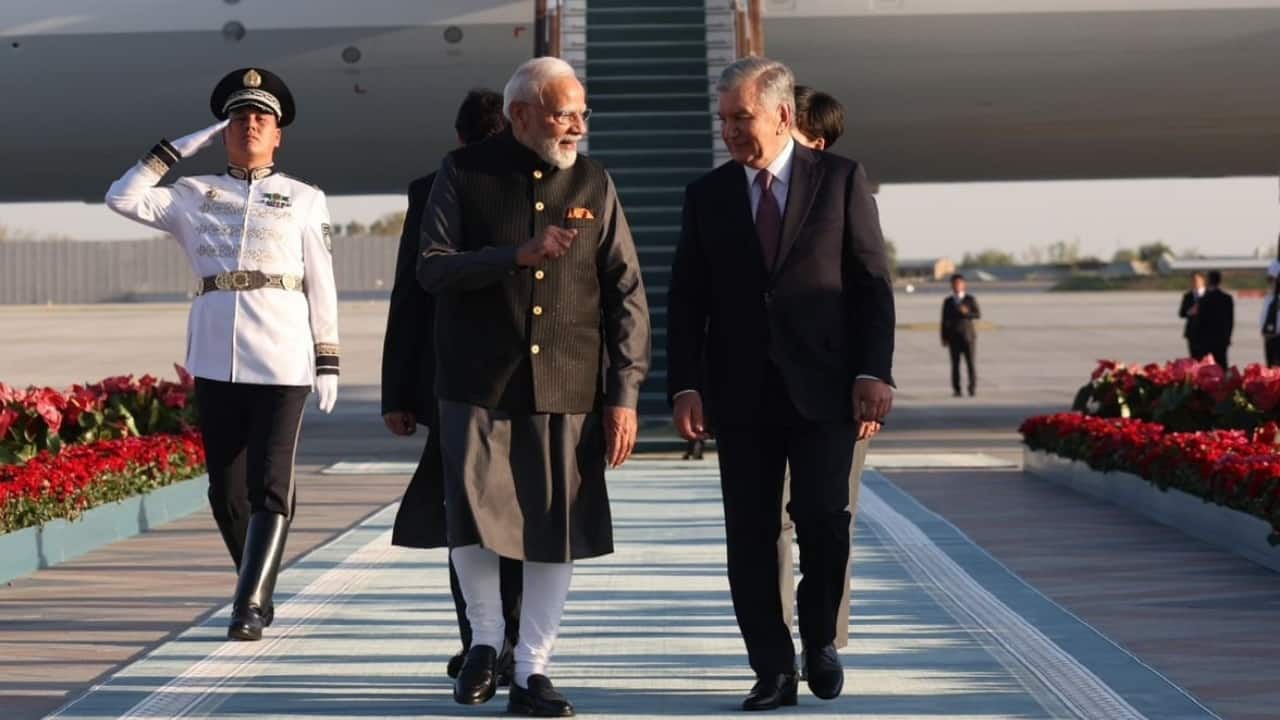
Prime Minister Narendra Modi may join EU leaders for the December 17‑18 summit in Brussels, where India and the bloc aim to seal a long‑awaited free‑trade agreement pending approval from all EU member states.
By SamacharDaily Editorial Team••2 min read
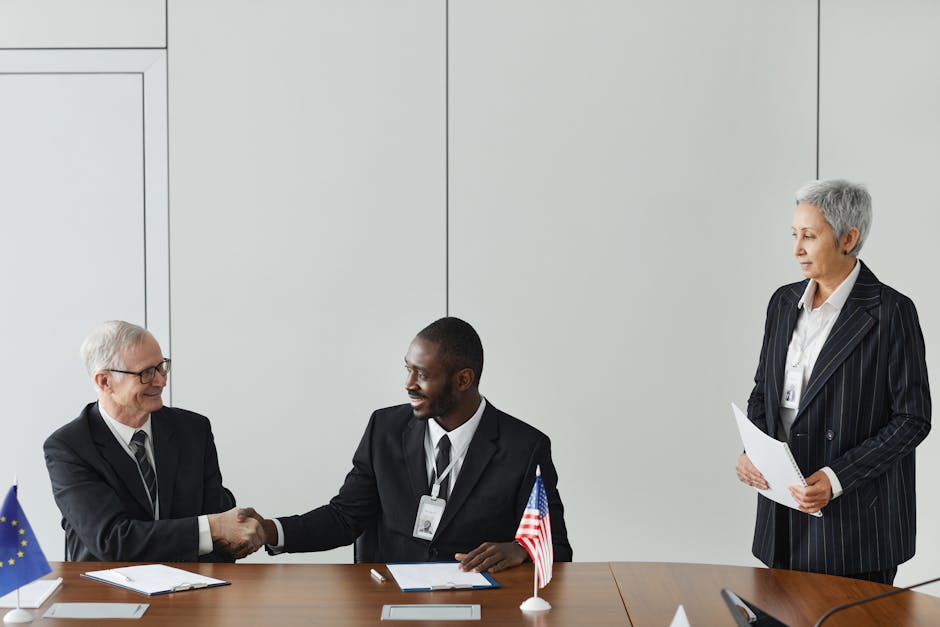
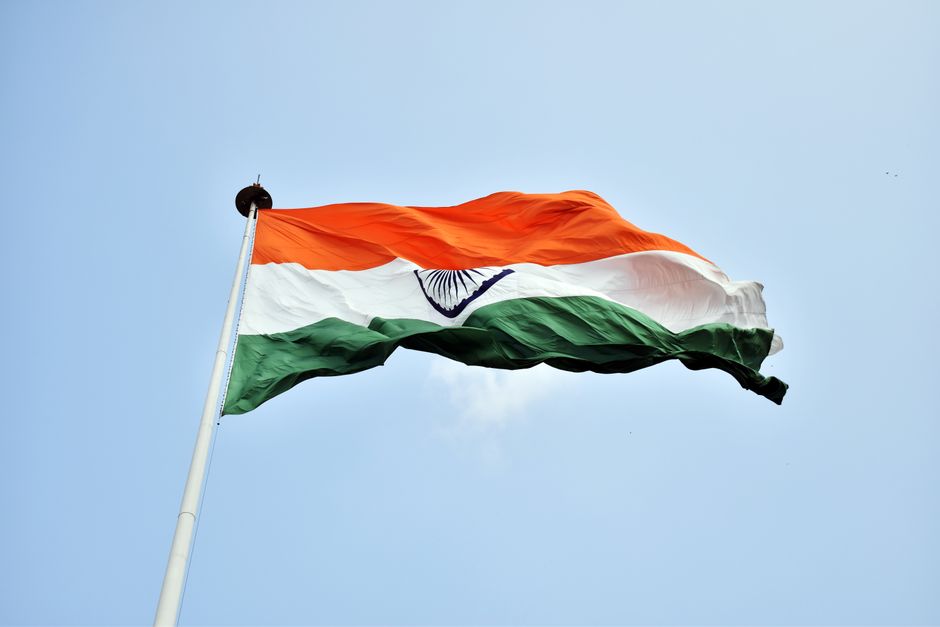
New Delhi sources said Prime Minister Narendra Modi is likely to travel to Brussels in mid‑December to take part in the European Union’s summit on December 17‑18. The trip would mark the first time a sitting Indian prime minister has attended an EU summit, underscoring the growing strategic partnership between the two sides. While Modi’s itinerary has not been officially confirmed, officials close to the government indicated that his presence would be timed with the formal signing of the India‑EU Free Trade Agreement (FTA), a deal that has been under negotiation for more than a decade. The agreement, which still awaits ratification by all 27 EU member states, promises to slash tariffs on a range of goods, from Indian textiles and pharmaceuticals to European machinery and chemicals. If concluded, it would be the EU’s first comprehensive trade pact with a major Asian economy.
The EU summit, hosted by President Emmanuel Macron, will bring together heads of state from the bloc’s 27 members to discuss a host of issues, including climate policy, digital regulation and security cooperation. Modi’s potential participation is expected to shift the agenda toward trade, providing a platform for both sides to address lingering concerns such as market access for Indian agricultural products and European standards for Indian services. The Indian government has also hinted that the visit could include talks on technology collaboration, renewable energy, and defence procurement, further deepening the bilateral relationship.
The India‑EU FTA is seen as a cornerstone of New Delhi’s strategy to diversify trade beyond traditional partners like the United States and China. By securing a deal with the EU, India hopes to boost exports, attract investment, and create jobs in sectors that have been constrained by high tariffs. For the EU, the pact offers a foothold in the fast‑growing South Asian market, helping to offset slowing growth in other regions and advancing its own strategic autonomy. However, the agreement still faces hurdles: several EU members have expressed reservations over agricultural imports and the protection of geographical indications, while India remains cautious about opening its services market too widely. Modi’s presence at the summit could signal political will to overcome these sticking points, potentially accelerating the ratification process. Successful conclusion of the deal would also set a precedent for future trade negotiations with other Asian economies, reinforcing the EU’s pivot to the Indo‑Pacific.
In the short term, the summit will test whether diplomatic momentum can translate into concrete concessions. A signed agreement could be announced at the Brussels meeting, but final approval will still require each EU parliament to pass ratifying legislation, a process that could take months or even years. Meanwhile, any delays or disagreements could stall the broader agenda of deepening India‑EU ties, affecting sectors from climate cooperation to digital trade.
India and ASEAN member states met to identify scalable cooperation areas in agriculture, focusing on technology sharing, trade facilitation and climate‑resilient farming.
Punjab Chief Minister Bhagwant Mann on Wednesday called for a formal partnership with the Confederation of Indian Industry to fast‑track sustainable crop‑residue handling and boost horticultural productivity through shared technology.
Karnataka will restart college and university student union elections this academic year, dropping caste‑based quotas and reserving a set of seats for women to foster leadership and democratic practice.
•1 min read
The Daily Briefing
Verified reporting and explanatory briefings delivered every morning. Zero fluff.