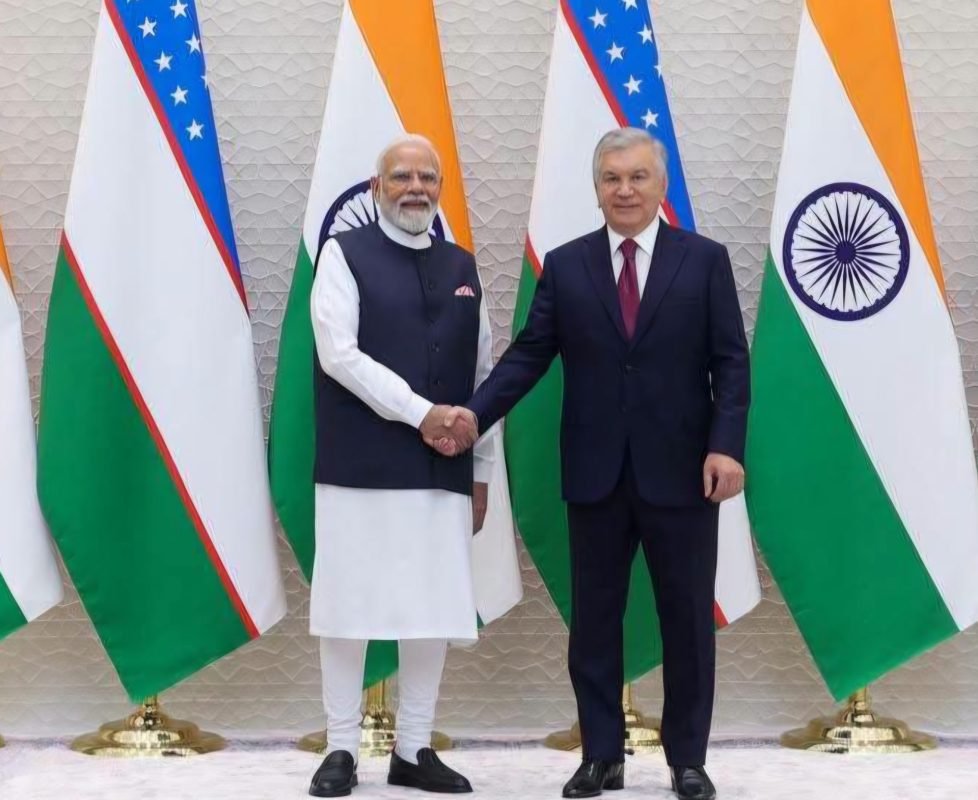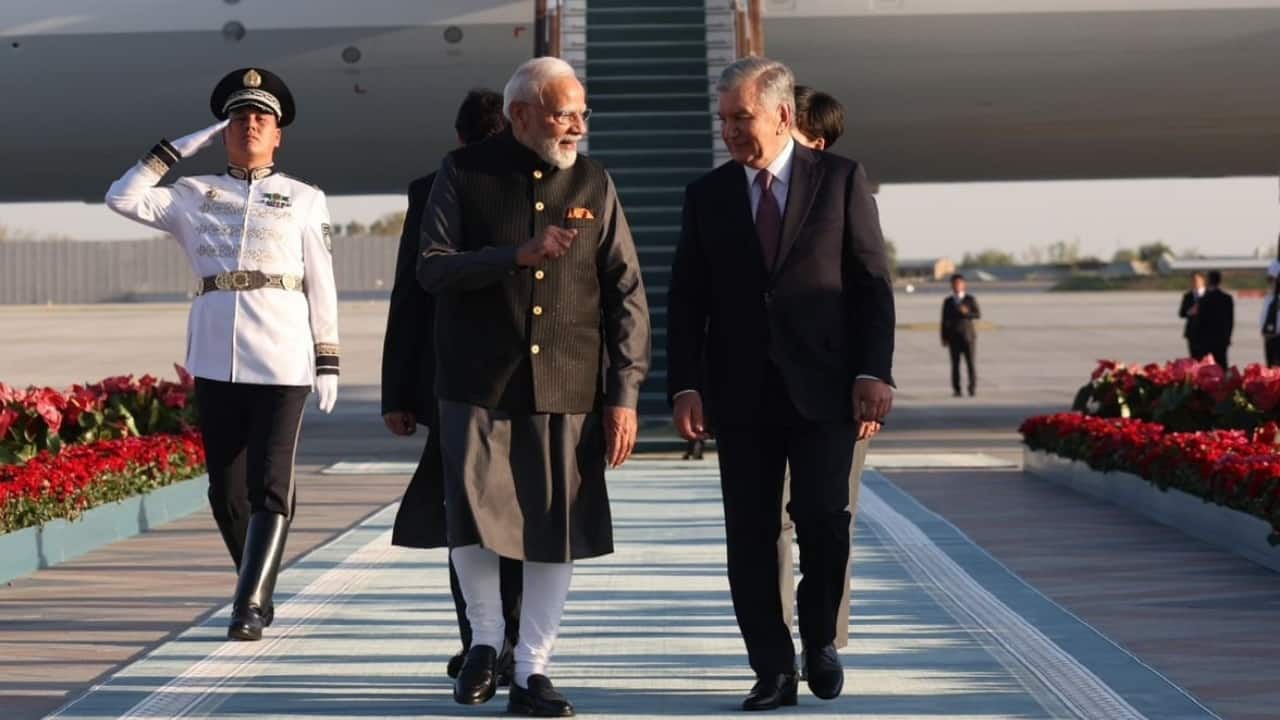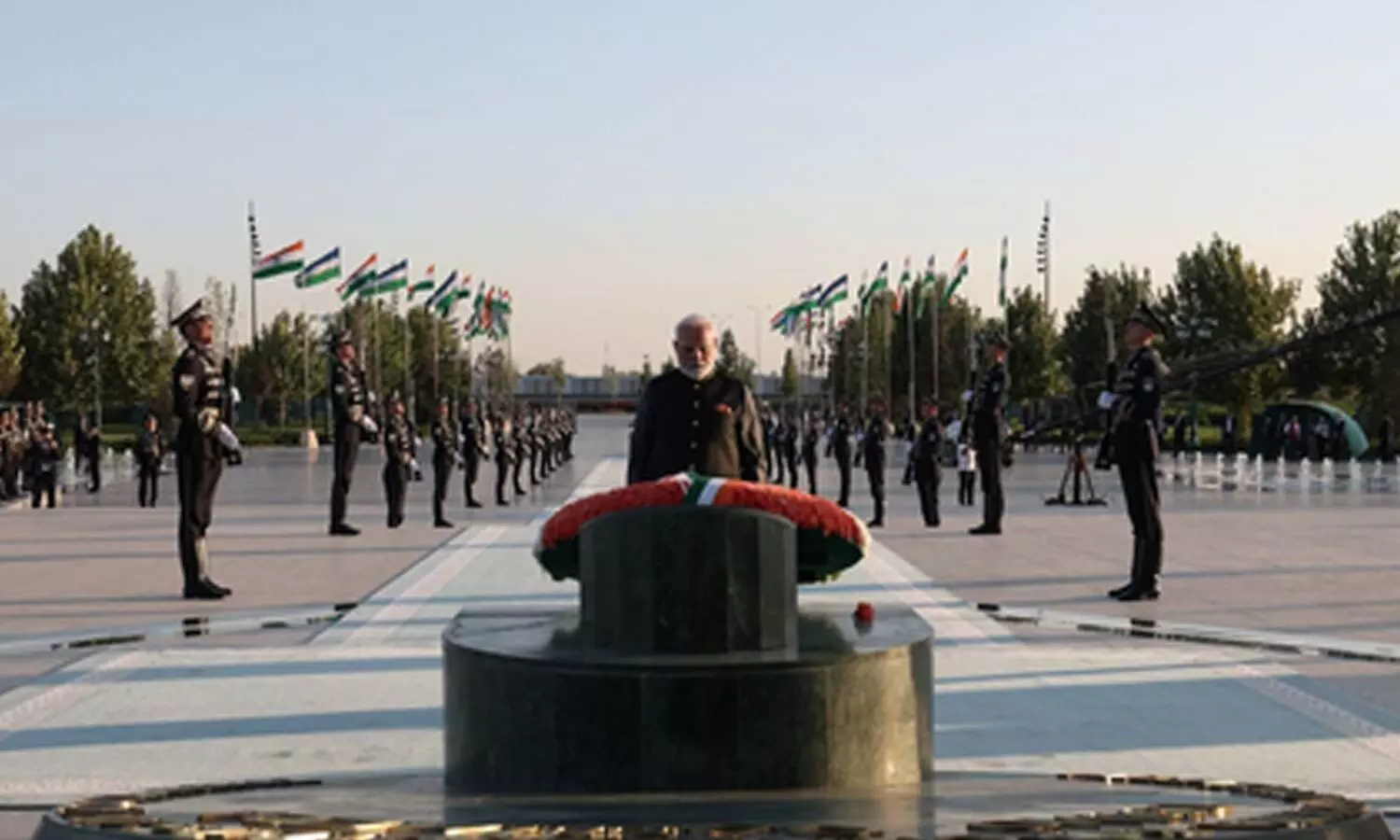
PM Modi's visit to Tashkent has elevated India-Uzbekistan bilateral ties to a Comprehensive Strategic Partnership, marking a significant upgrade in the diplomatic relationship between the two nations. The visit to the Uzbek capital represents a key moment in India's engagement with Central Asia, establishing a higher level of strategic cooperation than previously existing between New Delhi and Tashkent. This elevation reflects the growing importance both countries place on their bilateral relationship and the shared desire to deepen cooperation across multiple domains.
During the Tashkent visit, 11 key agreements were signed across multiple sectors, providing a robust framework for future bilateral cooperation. These agreements cover diverse areas of mutual interest and are expected to deepen the strategic connection between India and Uzbekistan, spanning economic, defense, energy, and cultural domains. The breadth and scope of these agreements demonstrate the comprehensive nature of the new partnership framework and the commitment of both nations to strengthening their bilateral ties.
The elevation to a Comprehensive Strategic Partnership builds on the existing diplomatic relationship between India and Uzbekistan, which has been steadily strengthening since Uzbekistan's independence. This new framework provides a structured mechanism for enhanced cooperation, representing the highest level of bilateral engagement India has established with its Central Asian partners. The partnership framework provides a comprehensive structure for bilateral cooperation, covering areas including trade, defense, energy, connectivity, and cultural exchanges.
India's engagement with Central Asia has been a key priority in its foreign policy calculus, with Uzbekistan playing an important role as a major regional player. The Comprehensive Strategic Partnership framework strengthens India's position in the landlocked region and enhances connectivity opportunities. The partnership is expected to provide concrete pathways for implementing the new framework across diverse sectors, covering areas including trade and investment, defense and security collaboration, energy partnerships, connectivity initiatives, and cultural exchanges.
The 11 agreements signed during PM Modi's Tashkent visit are expected to provide concrete pathways for implementing the new partnership framework across diverse sectors. They cover areas including trade and investment, defense and security collaboration, energy partnerships, connectivity initiatives, and cultural exchanges, reflecting the comprehensive nature of the new strategic relationship between India and Uzbekistan. This development strengthens India's engagement with Central Asia and reinforces the strategic importance of Uzbekistan in the region.