
India
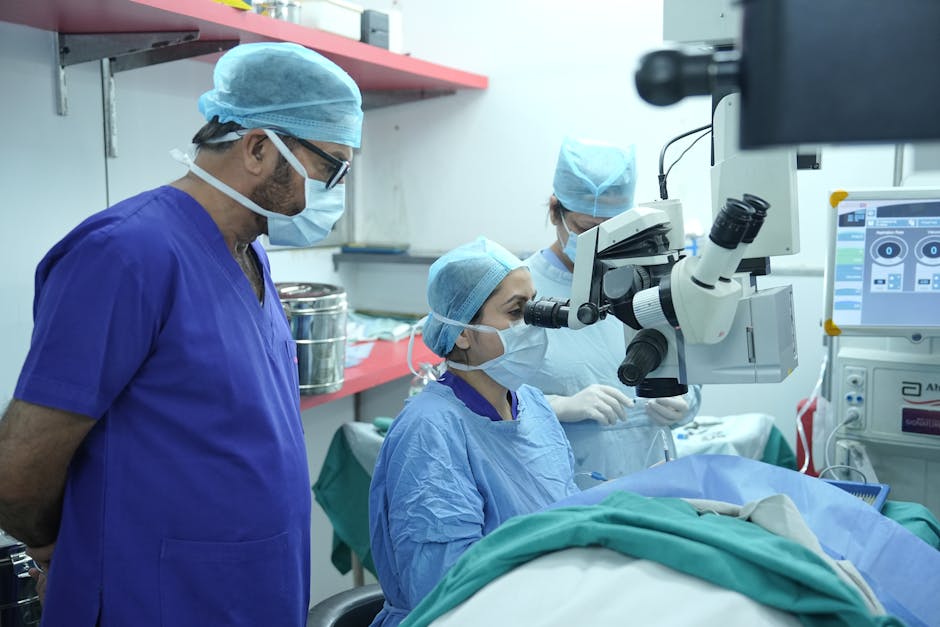
Surgeons performing eye surgery in a New Delhi hospital operating room.
Photo: Delhi Eye Centre

Nanavati Max Hospital Reattaches Taxi Driver's Thumb After Eight-Hour Microsurgery

Surgeons at Nanavati Max Hospital completed an eight‑hour microsurgical procedure to reattach the amputated thumb of a 69‑year‑old Mumbai taxi driver.

A team of surgeons at Nanavati Max Hospital in Mumbai successfully reattached the thumb of a 69‑year‑old taxi driver who had suffered an amputation, concluding an eight‑hour microsurgical operation.

The procedure involved reconnecting tiny blood vessels and nerves under a microscope, a technique that requires specialized training and equipment to restore blood flow and sensation to the severed digit.

ALSO READ | Bihar Cooperation Officers Receive Training from NCEL, NCOL and BBSSL

Hospital officials said the operation demonstrates the facility’s capability to perform complex reconstructive surgeries, a service increasingly sought after in a city where occupational injuries are common among transport workers.

Microsurgery, which focuses on repairing structures smaller than a millimetre, has become a critical tool in trauma care, allowing patients to retain function that might otherwise be lost through amputation.

While the exact cause of the driver’s injury was not disclosed, the successful outcome underscores the importance of rapid medical response and access to advanced surgical centres in urban India.

The patient is expected to undergo rehabilitation to regain strength and dexterity in the reattached thumb, a process that typically involves physiotherapy and regular follow‑up assessments.

Video: HAND TRANSPLANTATION
Watch on YouTube ↗
Why This Matters

The successful thumb reattachment highlights the growing availability of high‑precision surgical care in India’s major hospitals, reducing the need for patients to travel abroad for similar procedures. It also showcases the role of microsurgery in preserving limb function, which can have a direct impact on the livelihood of workers in physically demanding jobs.

For the broader healthcare system, such cases reinforce the value of investing in specialized training and equipment, encouraging other institutions to develop similar capabilities. This can improve overall trauma outcomes and reduce long‑term disability costs across the country.

Reporting based on verified dispatches from Psu Connect. View primary release ↗
Stay Connected
Follow SamacharDaily on Instagram

Visual explainers, infographics, and daily news briefings on your feed.

More in India