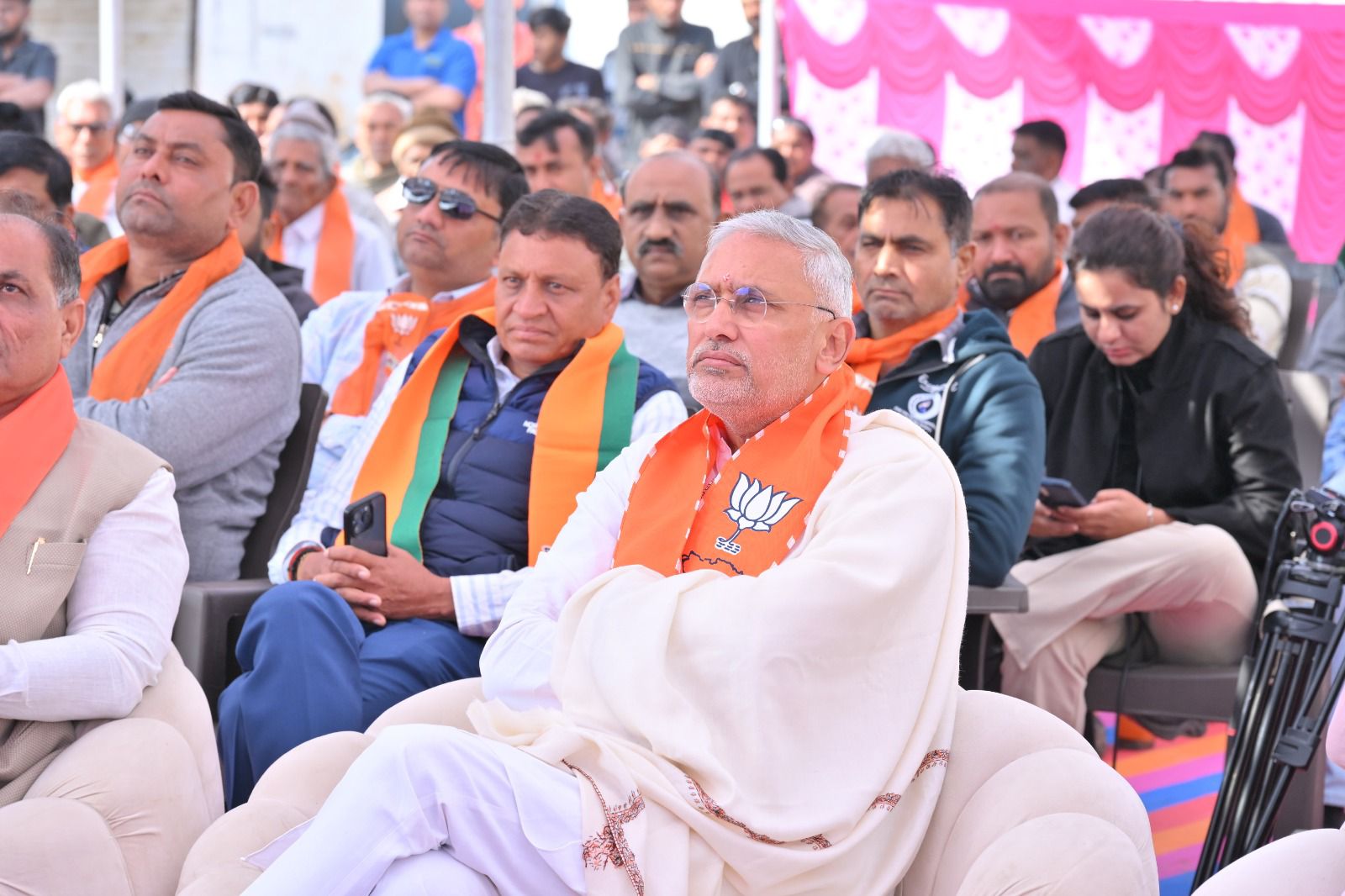
On Tuesday, Gujarat Chief Minister Bhupendra Patel inaugurated a one‑day ‘Panchayat Sanskaran Karyashala’ in the state capital, Gandhinagar, for newly appointed Panchayat office‑bearers. The ceremony brought together dozens of freshly elected village representatives who are set to oversee local governance and the implementation of state‑run schemes in their respective jurisdictions.
The Panchayat system, a cornerstone of India’s three‑tier rural governance structure, entrusts elected members with the responsibility of delivering public services, managing development projects and channeling welfare benefits to the grassroots. Gujarat, which has consistently ranked high on development indices, relies on these local bodies to translate state policies into tangible outcomes for rural populations.
During the inauguration, Patel emphasized that there is "no shortage of funds for development works" and that the real challenge lies in how those resources are deployed. He urged the new office‑bearers to "listen to people, understand the rules and ensure quality work," stressing that transparent and accountable execution is essential for the success of schemes ranging from irrigation to health and education.
The workshop’s agenda focused on practical guidance: familiarising participants with procedural norms, financial management protocols and monitoring mechanisms. By equipping Panchayat members with this knowledge, the state aims to curb delays, reduce cost overruns and prevent the misallocation of funds that have historically plagued rural projects across the country.
Patel also highlighted the importance of ensuring that the benefits of government schemes reach the needy at the grassroots level. He warned that without diligent oversight, even well‑funded programs can falter, leaving vulnerable communities without essential services. The training session, therefore, serves as a pre‑emptive measure to align local officials with the state’s development agenda and to foster a culture of accountability.