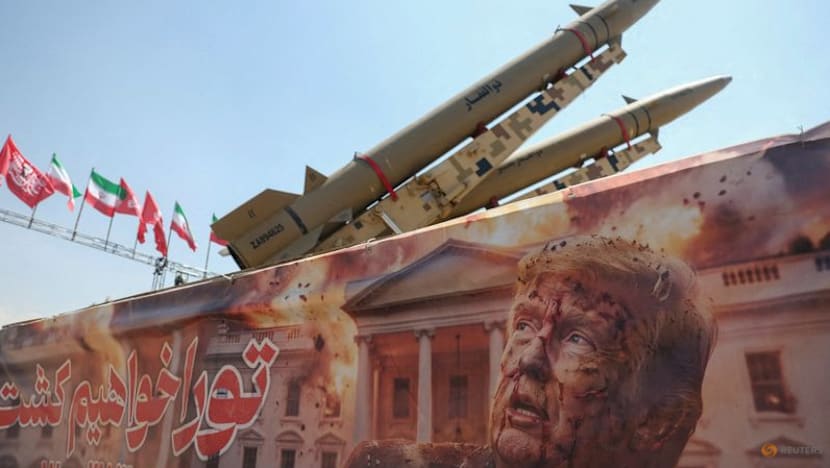
The conflict between the United States and Iran has experienced a sharp tactical resurgence after both military forces exchanged fire, officially breaking a period of relative operational calm in the theater. The latest kinetic engagement marks a significant escalation in the ongoing regional war, coming after weeks during which direct confrontations between the two adversaries had slowed down. The fresh clash underscores the persistent volatility of the broader military engagement, effectively interrupting a phase where frontline battles had temporarily receded into a tense operational stalemate.
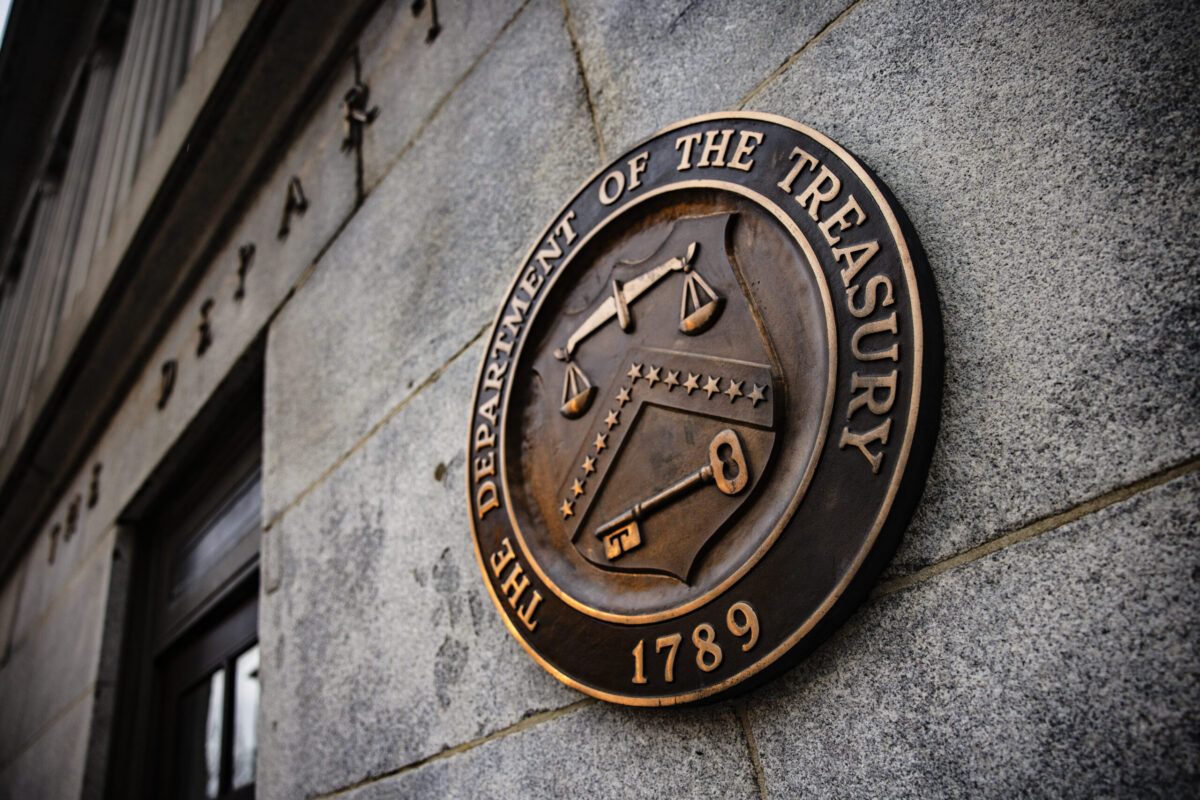
Alongside the renewed military exchange, US official Bessent signaled that Washington is preparing to enact a rigorous new wave of economic sanctions aimed at crippling Tehran's war effort. The proposed economic measures are designed to ramp up systemic financial pressure on Iran. Crucially, US officials emphasized that Washington is also ready to impose costly secondary sanctions against foreign countries and international entities that continue to provide diplomatic, financial, or material support to Iran during the active war.
Prior to this latest exchange of fire, the war between the United States and Iran had reached an extended stalemate over recent weeks, with neither side claiming major territorial or strategic breakthroughs. The last known US strikes executed against Iranian targets took place in late July. Following those late July military actions, direct physical clashes subsided, giving way to a period of heightened rhetoric and persistent warnings from Washington regarding foreign assistance to Iran.
The dual strategy combining direct military fire exchanges with expanding economic sanctions highlights Washington's effort to sever Iran's international support networks. By explicitly threatening costly financial penalties against foreign governments that aid Tehran, the US seeks to create an economic barrier around Iran. This approach aims to force foreign powers to choose between maintaining economic relations with Washington or continuing their supportive ties with Tehran.
As kinetic hostilities resume after weeks of stagnation following the late July strikes, the overall trajectory of the war remains precarious. The quick transition from a military stalemate to active exchanges of fire, paired with Bessent's economic warnings, indicates that both military and economic pressure points are being simultaneously intensified as Washington seeks to deter countries aiding Iran's defense posture.