World
US Treasury sanctions Iran-linked Dubai banker and Hong Kong firm as pressure on Tehran intensifies
Photo: mehdi editor

US Treasury sanctions Iran-linked Dubai banker and Hong Kong firm as pressure on Tehran intensifies

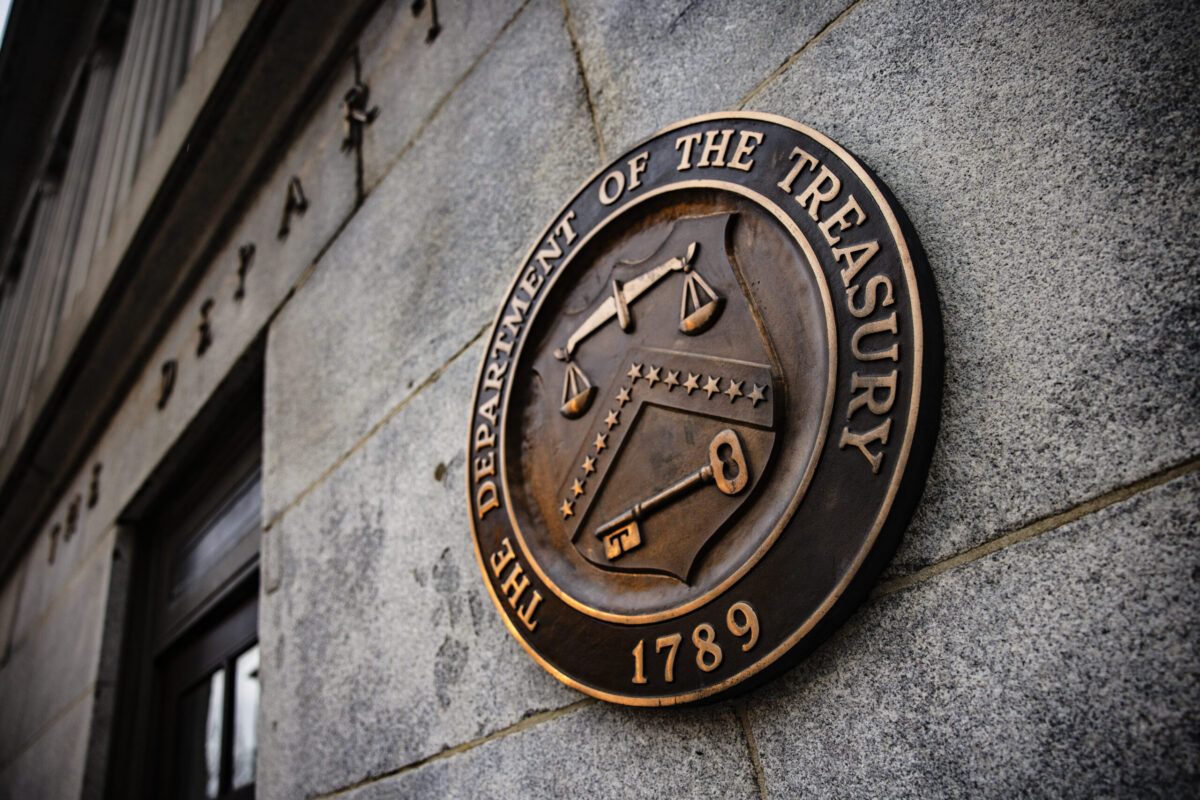
The U.S. Treasury’s Office of Foreign Assets Control added a Dubai‑based Iranian bank manager and a newly formed Hong Kong trading company to its Specially Designated Nationals list, citing links to Iran’s sanctioned financial network.

On Friday, the U.S. Treasury Department’s Office of Foreign Assets Control (OFAC) announced the latest round of sanctions aimed at curbing Iran’s ability to evade international restrictions. The agency placed Reza Mohammad Taeedi, an Iranian national who runs the Dubai branch of Iran’s state‑owned Bank Melli, on the Specially Designated Nationals (SDN) list. Taeedi, who also serves as the branch’s general manager, is now subject to secondary sanctions that prohibit U.S. persons and entities from dealing with him and freeze any assets he holds under U.S. jurisdiction. The designation was made under both counter‑terrorism and Iran‑related authorities, signalling Washington’s view that the individual plays a role in financing activities deemed hostile to U.S. interests.

In a parallel move, OFAC also targeted Kameng Trading Limited, a Hong Kong‑registered company incorporated in July 2024. The firm was added to the SDN list under an Iran‑related executive order, suggesting that it is suspected of providing a conduit for Iranian entities to move money, goods, or technology that would otherwise be blocked by sanctions. The Treasury’s statement did not disclose specific transactions, but the timing aligns with a broader U.S. strategy to tighten the financial noose around Tehran and any overseas actors that facilitate its illicit trade networks.

ALSO READ | Bangladesh measles surge kills three children, death toll tops 1,000

The sanctions come as part of a coordinated effort by the United States to pressure Iran over its nuclear program, regional activities, and alleged support for terrorism. By extending the reach of OFAC’s authority to individuals and firms operating in major financial hubs such as Dubai and Hong Kong, Washington aims to close loopholes that have allowed Iran to sidestep earlier rounds of sanctions.
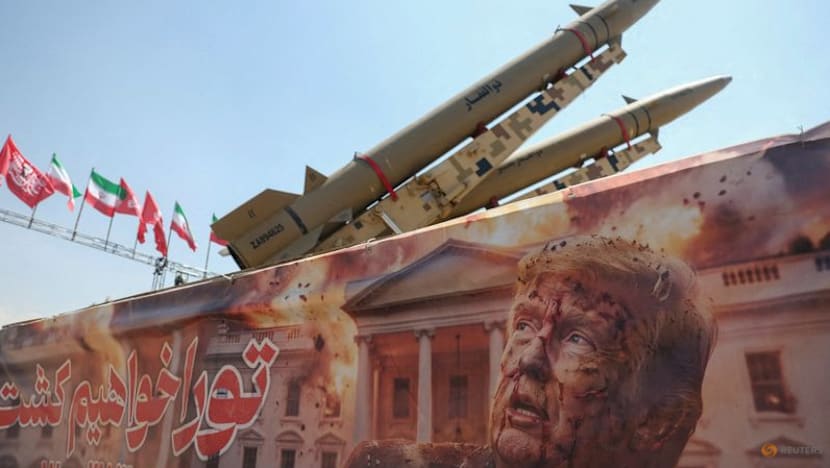
Video: US lifts Iranian oil sanctions amid tensions in strait of Hormuz
Watch on YouTube ↗
Why This Matters

The designations have immediate practical consequences. Any assets Taeedi or Kameng Trading hold in U.S. dollars are now frozen, and U.S. banks must block transactions involving them, effectively cutting off a key channel for Iran’s external financing. For Dubai’s financial sector, the move underscores heightened scrutiny of banks and businesses that handle Iranian clientele, potentially prompting tighter compliance checks and reputational risk assessments.

Strategically, the sanctions signal that the United States is willing to expand its enforcement beyond traditional jurisdictions, targeting actors in third‑country financial centers. This could deter other firms in the Gulf and East Asia from providing services to Iranian entities, thereby amplifying economic pressure on Tehran ahead of upcoming diplomatic negotiations over its nuclear activities. The broader impact may also ripple through global trade networks, as companies reassess risk exposure to secondary sanctions when dealing with partners that have any Iranian ties.

Reporting based on verified dispatches from Middle East Monitor. View primary release ↗
Stay Connected
Follow SamacharDaily on Instagram

Visual explainers, infographics, and daily news briefings on your feed.

More in World