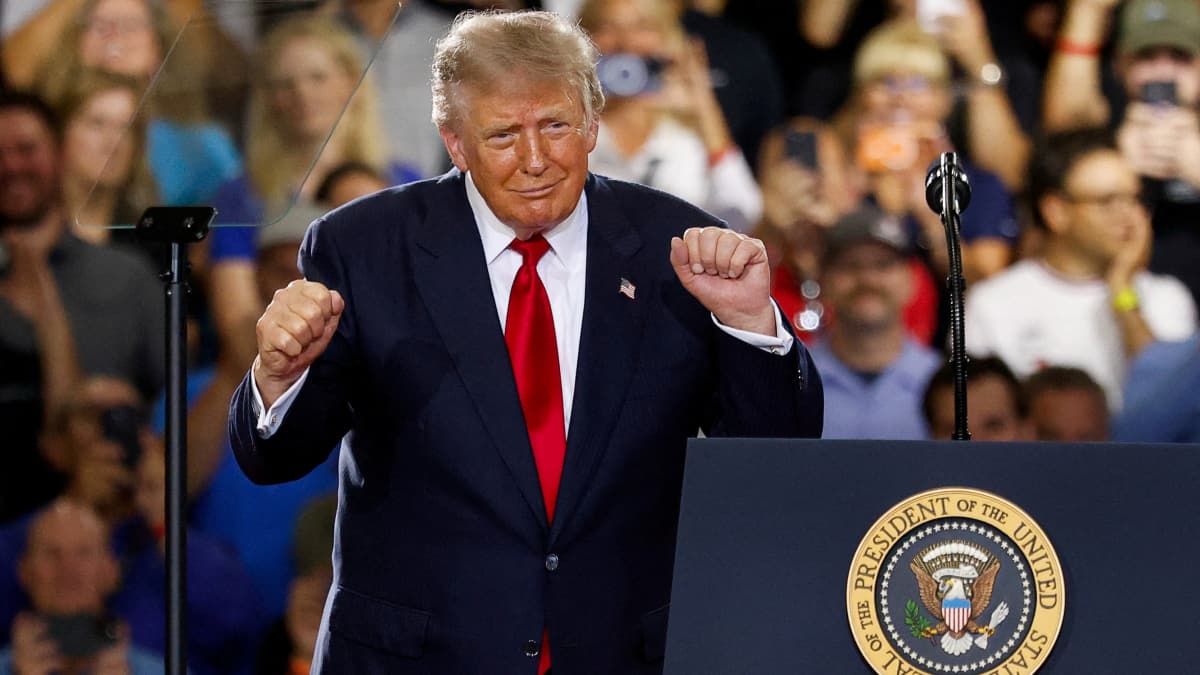
President Donald Trump publicly endorsed Syria's effort to position itself as a viable overland alternative to the Strait of Hormuz, declaring 'This is GREAT' in comments that underscored Washington's growing interest in diversifying energy and cargo routes through the Middle East. Syria is reportedly pitching itself as a transit corridor for energy shipments and goods, framing its post-conflict geography as a strategic asset for regional commerce.
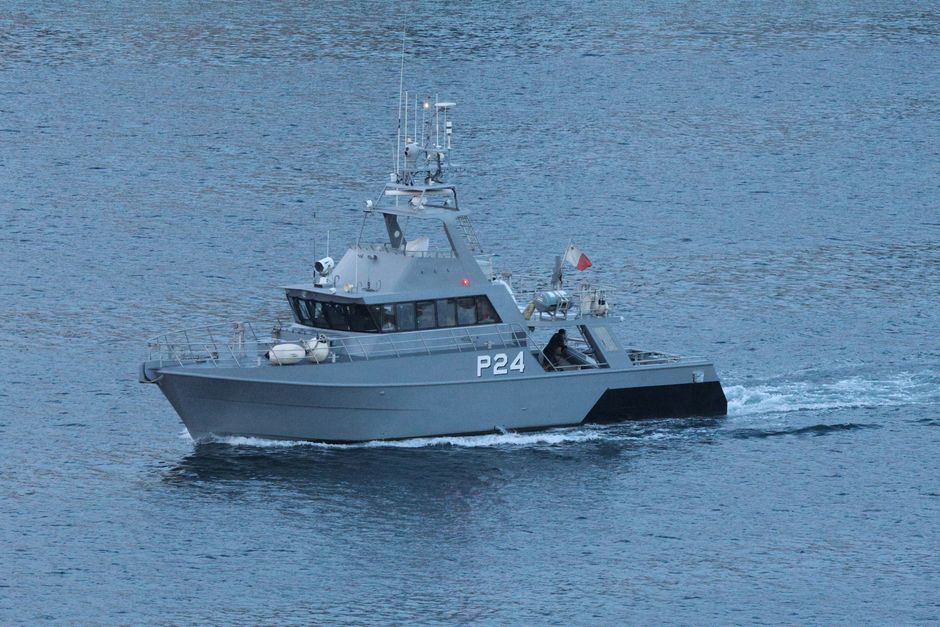
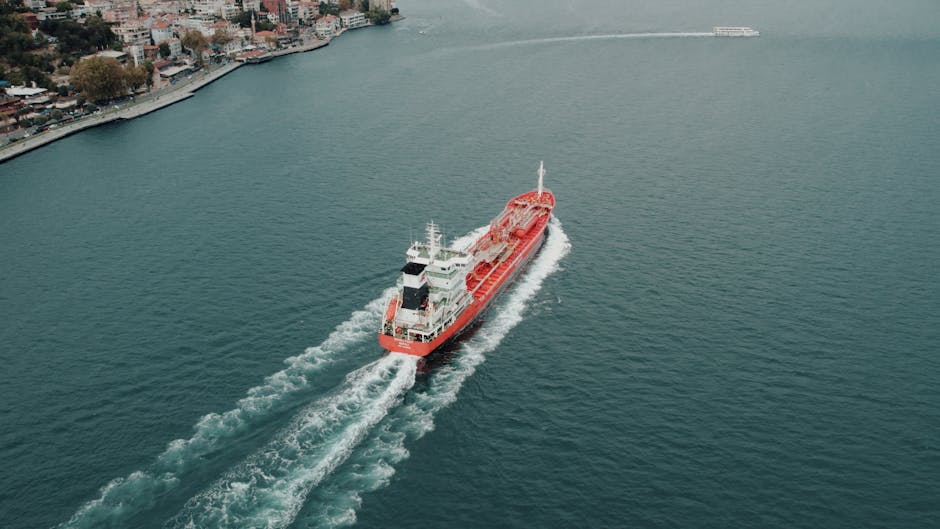
The Strait of Hormuz, a narrow waterway between Iran and the Arabian Peninsula through which a significant share of globally traded oil and liquefied natural gas transits daily, remains one of the world's most volatile shipping lanes. Any disruption to traffic through the strait — whether from military confrontation with Iran, sanctions enforcement, or non-state attacks — has historically triggered immediate spikes in global energy prices and prompted shippers and governments to seek alternative routing options.
Trump's remarks come against the backdrop of renewed confrontation with Iran, with the president signalling openness to economic reintegration of Syria as part of a broader realignment of regional alliances. Damascus has been engaged in diplomatic outreach aimed at attracting investment and rebuilding infrastructure damaged during more than a decade of civil war. Presenting Syria as a land bridge for trade between the Gulf, Turkey, and Europe would require substantial reconstruction of roads, pipelines, customs facilities, and security arrangements along transit corridors.
The proposal also carries geopolitical weight. Iran has historically relied on its proximity to the Strait of Hormuz as leverage in negotiations with Western powers and Gulf rivals. Any credible alternative routing would diminish that leverage and potentially reshape the strategic calculus in the Persian Gulf. Syria's rehabilitation into regional trade networks would also mark a diplomatic shift, given its long-standing alignment with Iran and Russia.
While the specifics of Syria's pitch and the response from potential commercial partners remain unclear, Trump's endorsement signals that Washington is at minimum receptive to the idea of bypassing the strait. The development is likely to draw scrutiny from energy markets, shipping insurers, and regional governments assessing whether overland transit through Syria can realistically compete with established maritime routes on cost, speed, and security.