Iranian authorities are preparing to announce an "exclusion zone" that would extend beyond the narrow waterway of the Strait of Hormuz, according to a senior official who briefed the press. The official, who asked to remain unnamed, said the move is intended to bolster Iran's control over its maritime approaches and to deter perceived threats in the region.
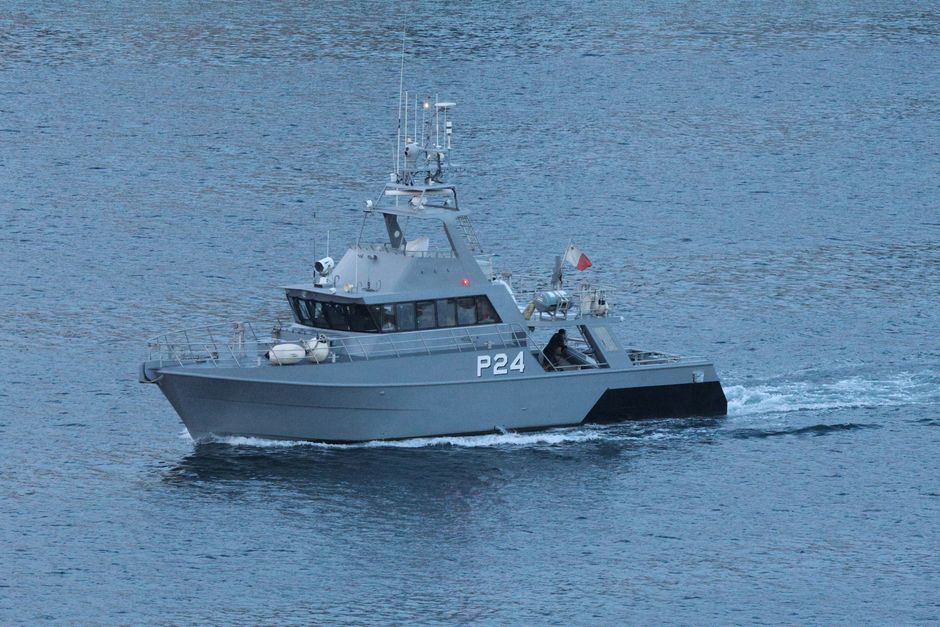
An exclusion zone typically restricts the movement of foreign vessels within a defined perimeter, allowing a state to enforce security measures such as inspections, escorts, or outright denial of entry. While the exact dimensions of the proposed zone have not been disclosed, the language used by Tehran suggests a formal, legally‑backed declaration that could be enforced by the Iranian navy and coast guard.
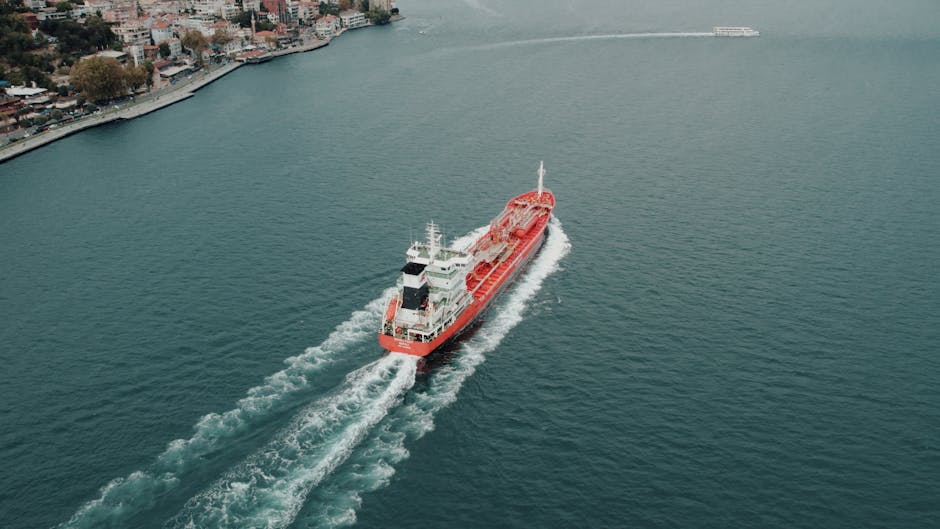
The Strait of Hormuz is one of the world's most critical chokepoints, funneling roughly a fifth of global oil shipments and a significant share of liquefied natural gas. Historically, the waterway has been a flashpoint for geopolitical tension, with past incidents involving naval confrontations, missile strikes on tankers, and threats of closure that have prompted international naval patrols from the United States, United Kingdom and other allied navies.
Regional shipping companies and oil traders have already expressed unease, warning that any new restrictions could disrupt the flow of commodities and increase freight costs. Analysts note that even a modest reduction in the number of vessels allowed to transit could have ripple effects on global energy markets, especially as the world continues to grapple with supply‑chain volatility.
Iran's senior official emphasized that the exclusion zone is a defensive measure aimed at protecting national sovereignty and securing maritime borders against what Tehran describes as hostile actions. No specific date for the formal announcement was given, but the official indicated that the decision would be communicated to international partners and relevant maritime authorities in the coming days.