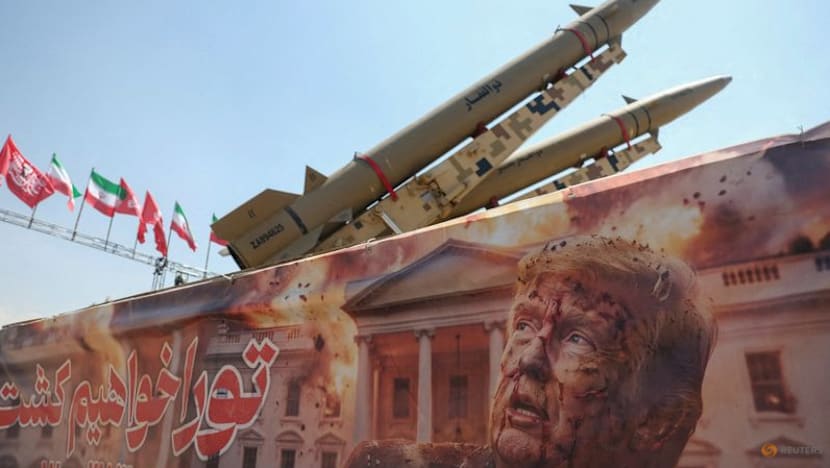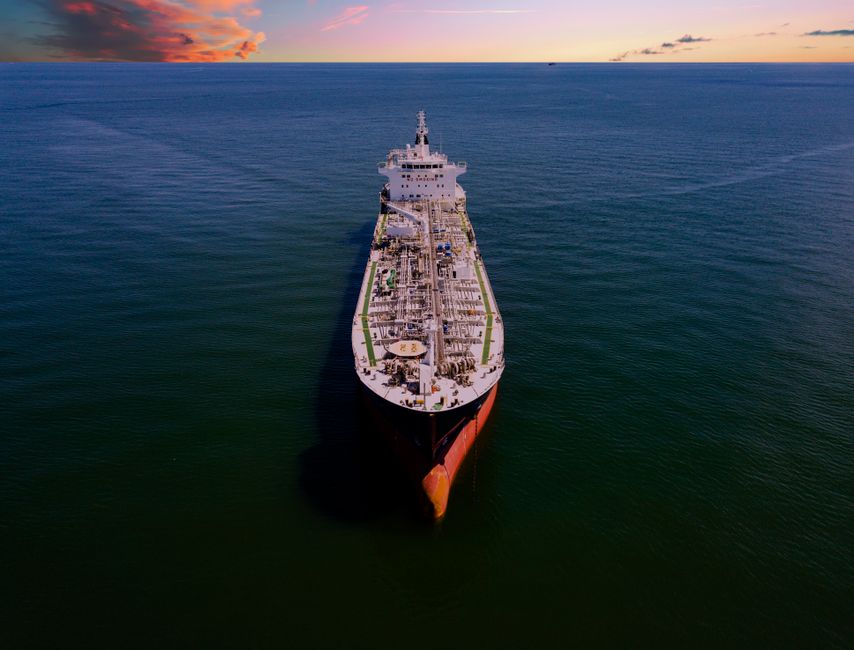
Iran's foreign ministry issued a stark warning on Sunday, stating that any additional United States attacks on Iranian oil tankers operating in the Gulf will be met with a "faster, more painful" response. The statement came after U.S. forces struck two Iranian-flagged tankers in the region, an action Tehran described as an unprovoked escalation of hostilities.
The Gulf, a critical artery for global oil shipments, has long been a flashpoint between Tehran and Washington. Over the past decade, both sides have exchanged accusations of harassment and have occasionally targeted each other's vessels. The United States maintains a naval presence there to safeguard commercial navigation, while Iran asserts its right to protect its maritime assets against what it calls unlawful interference.
According to the Iranian statement, the recent U.S. strikes were carried out by naval assets operating under the banner of protecting international shipping lanes. Tehran contended that the tankers were engaged in routine commercial transport and that the attacks violated international law. In response, Iran pledged to accelerate its defensive measures, hinting at the possible deployment of additional naval forces or asymmetric tactics to deter further U.S. action.
Analysts warn that the exchange could ripple through regional markets, as oil prices are sensitive to any perceived threat to Gulf shipping. Shipping companies may reroute vessels, increasing transit times and costs, while neighboring states could be drawn into diplomatic efforts to prevent a broader clash. The United Nations has called for restraint, emphasizing the need for dialogue to avoid jeopardizing the stability of a waterway that handles roughly a third of the world’s oil trade.
Both governments have indicated a willingness to engage through back‑channel communications, though no public diplomatic overtures have been announced. The United States has not yet responded to Tehran’s warning, and Iranian officials have urged allied nations to condemn what they describe as American aggression. The situation remains fluid, with the potential for rapid escalation if either side perceives the other as crossing a red line.