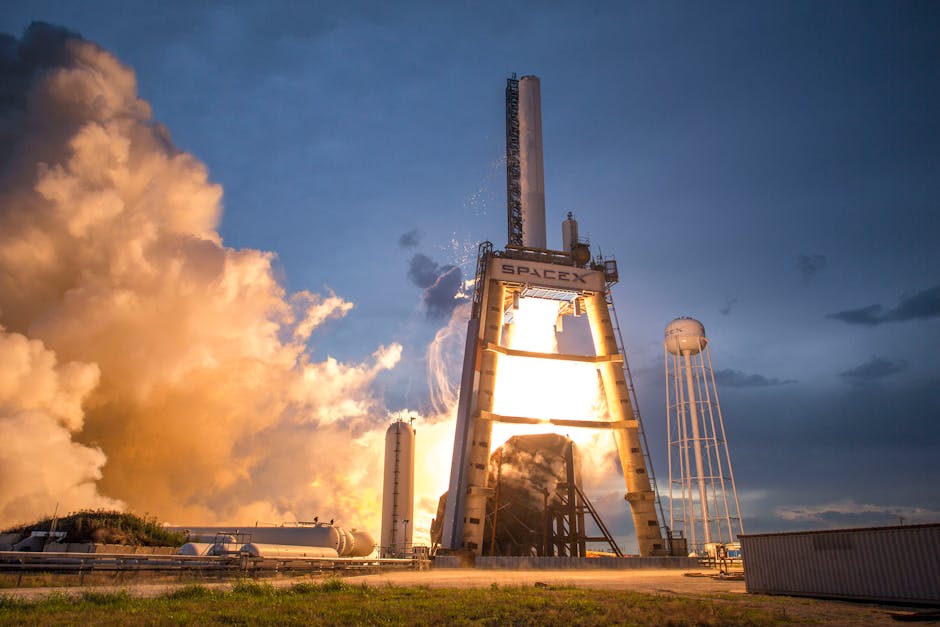
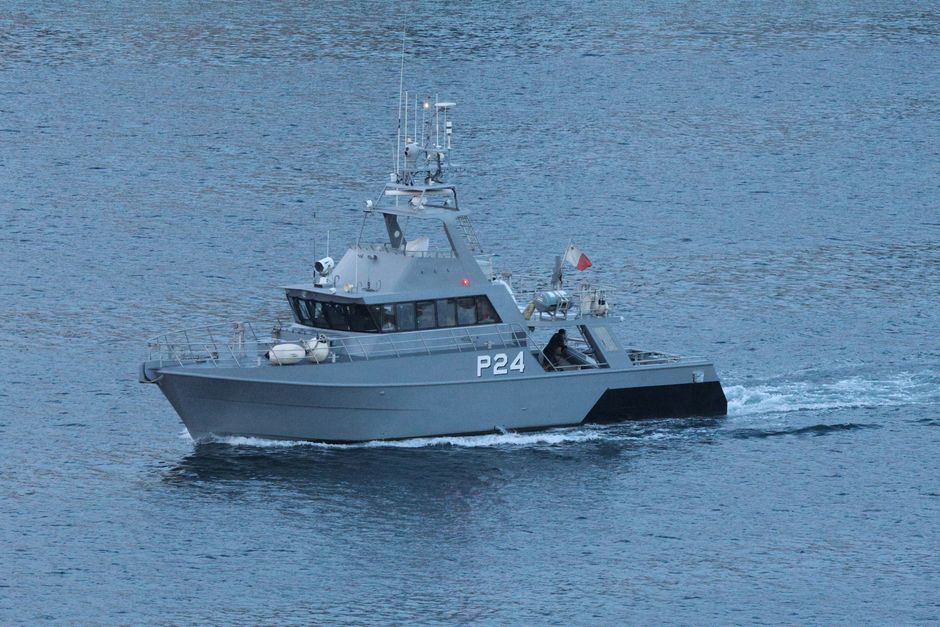
The international news landscape today is defined by major strategic initiatives in space technology and maritime security across Asia. The Indian Space Research Organisation (ISRO) is advancing plans for its upcoming mission involving the EOS-05 Earth observation satellite, marking a significant step forward for the nation's space infrastructure and remote sensing capabilities. Simultaneously, South Korea has formulated a strategic plan addressing the Strait of Hormuz, aiming to protect vital commercial shipping lanes and naval transport amid heightened regional security concerns in the Middle Eastern transit corridor.
In Europe, defense procurement controversies and targeted security incidents have emerged as prominent focal points for national leadership. A sharp political row has erupted in Estonia concerning a major defense arms deal, triggering intense public scrutiny and administrative debates over procurement transparency, contractual terms, and military spending priorities. Meanwhile, law enforcement and military authorities in Russia are actively investigating a high-profile shooting incident targeting a senior Russian army general, an event that has sparked urgent security reviews and active criminal inquiries across military protocols.
Across South Asia, scientific cooperation and humanitarian aid are intersecting as Nepal offers critical forensic support to regional partners. Authorities in Nepal have extended an official proposal to provide DNA profiling assistance to expedite casualty identification procedures and manage scientific forensic data following recent emergency situations. This scientific initiative highlights the expanding role of modern forensic technology in regional crisis management, disaster relief operations, and diplomatic support mechanisms.
In North America, domestic political culture and executive administration novelties continue to generate wide public commentary. Reports have surfaced highlighting the installation of Trump-themed arcade games within the White House complex, offering a unique glimpse into presidential leisure spaces and political branding inside official government residences. These distinct cultural details highlight the varied nature of executive life alongside weightier governance responsibilities.
Together, these global developments reflect a rapidly evolving international matrix encompassing advanced aerospace programs, strategic naval policy, arms control friction, high-level political violence, and forensic diplomacy. As national governments across Asia, Europe, and the Americas calibrate their domestic policies and foreign defense postures, these incidents demonstrate the complex and interconnected nature of modern global news.