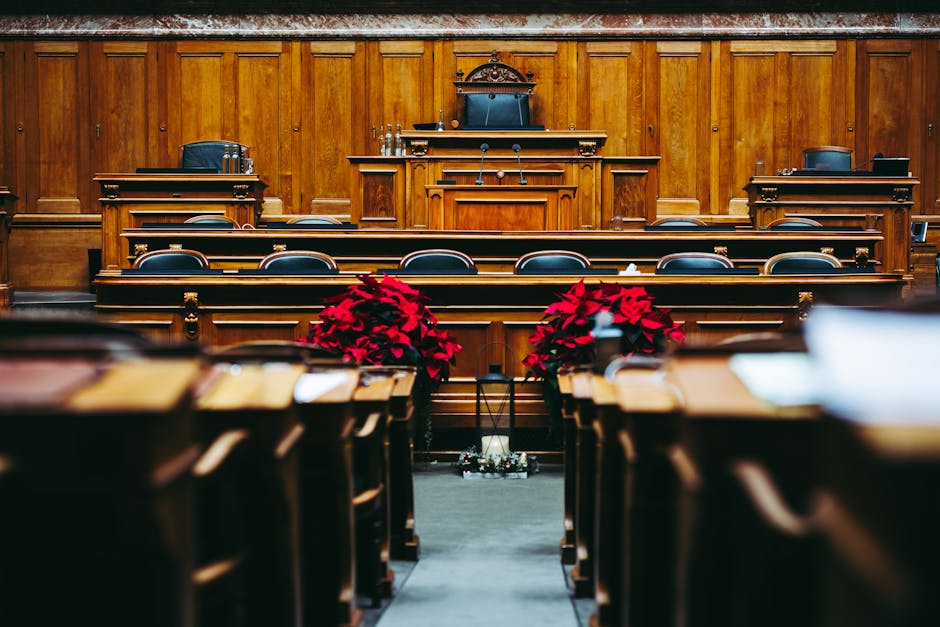
Legal analysts and environmental advocates are sounding the alarm that the U.S. Supreme Court’s upcoming ruling on the Boulder climate lawsuit could set a precedent with sweeping implications for climate‑change litigation across the United States. The case, brought by the city of Boulder, Colorado, challenges major fossil‑fuel producers over alleged contributions to greenhouse‑gas emissions and seeks to hold them financially responsible for climate‑related damages.
The lawsuit reached the nation’s highest court after lower‑court rulings allowed the case to proceed, marking one of the most high‑profile attempts by a municipality to hold polluters accountable. If the Court declines to dismiss the suit, it would affirm that local governments can pursue climate accountability claims, potentially opening the floodgates for similar actions in other jurisdictions.
Conversely, a decision to toss the case could reinforce a legal barrier that has long limited climate‑related lawsuits, reinforcing the doctrine that such claims are non‑justiciable political questions best left to the legislative branch. Analysts warn that a dismissal would embolden fossil‑fuel companies to contest future climate suits, limiting the ability of cities and states to seek redress for climate impacts.
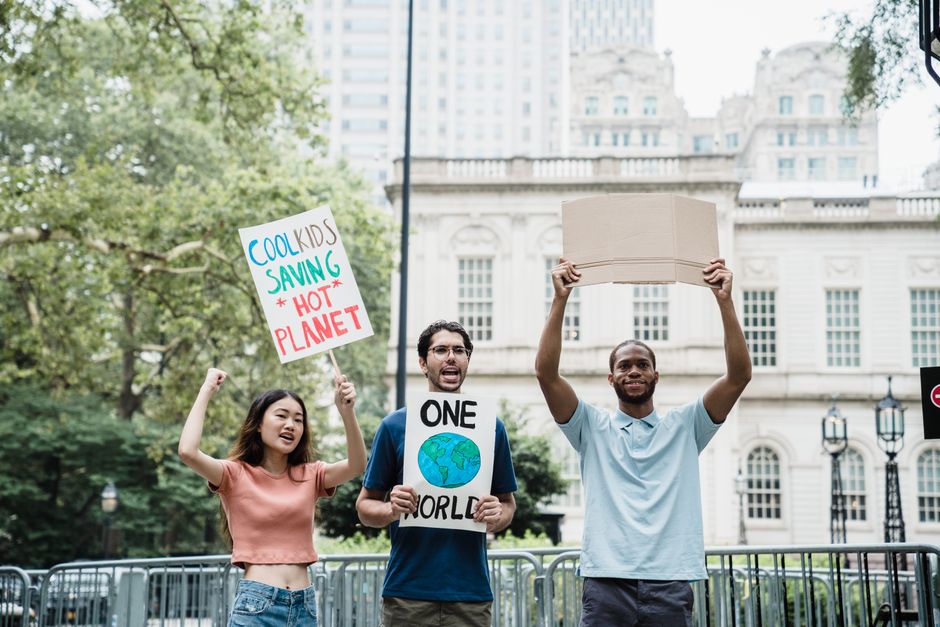
Environmental groups, representing a coalition of climate‑justice advocates, have filed amicus briefs emphasizing the urgency of judicial recognition of climate harms. They argue that the Court’s ruling will either validate the role of the judiciary in addressing the climate crisis or cement a legal shield for the industry. The outcome is expected to influence not only ongoing cases but also the strategic calculations of litigants, policymakers, and investors watching the evolving regulatory landscape.