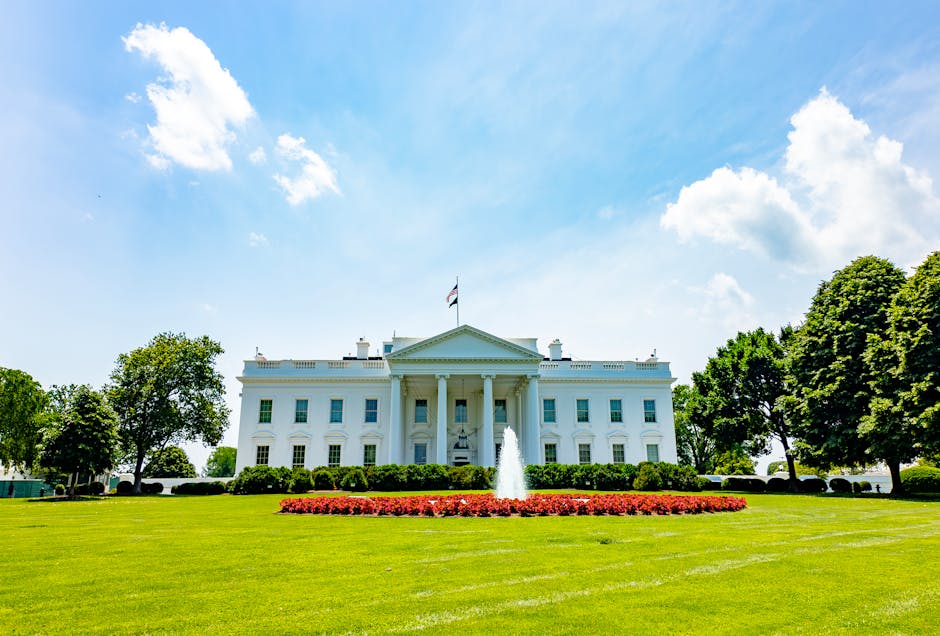
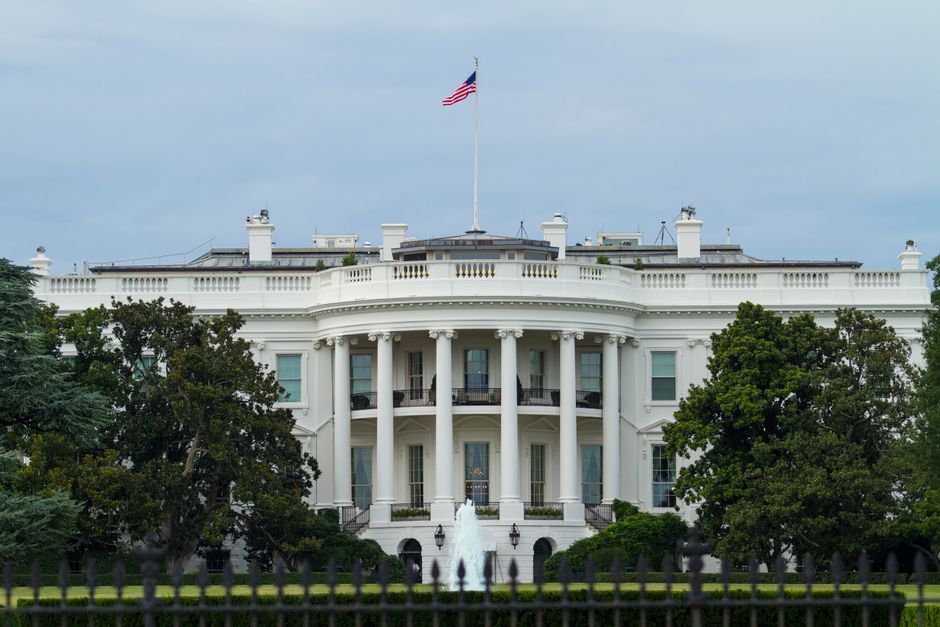
A filing submitted to the federal court on behalf of the White House signals the Trump administration’s backing of The New York Times in its lawsuit against OpenAI, according to a Reuters report. The brief marks the first reported instance of the White House intervening in the burgeoning series of copyright actions targeting artificial‑intelligence developers.
The New York Times sued OpenAI alleging that the company used the newspaper’s copyrighted articles to train its large language models without permission, thereby infringing the Times’ intellectual‑property rights. The suit seeks injunctive relief and damages, arguing that the unlicensed use of its content undermines the value of its journalism and the broader media ecosystem.
OpenAI’s training practices have come under scrutiny in several high‑profile cases, including actions brought by authors, artists and other publishers who claim their works were harvested to improve AI outputs. Legal experts note that these disputes raise fundamental questions about how copyrighted material can be used in machine‑learning pipelines and whether existing fair‑use doctrines apply to massive data scraping.
By filing a brief, the White House is not only aligning with a major news organization but also signaling a policy stance that could shape future regulatory approaches to AI. The administration’s involvement suggests a willingness to defend traditional copyright protections against what officials describe as “unfair exploitation” of creative works by AI firms.
OpenAI has so far declined to comment on the White House filing, maintaining that its models are built on publicly available data and that it respects intellectual‑property laws. Industry observers caution that the government’s entry into the case could intensify pressure on AI developers to adopt more transparent data‑sourcing practices or to negotiate licensing agreements with content creators.