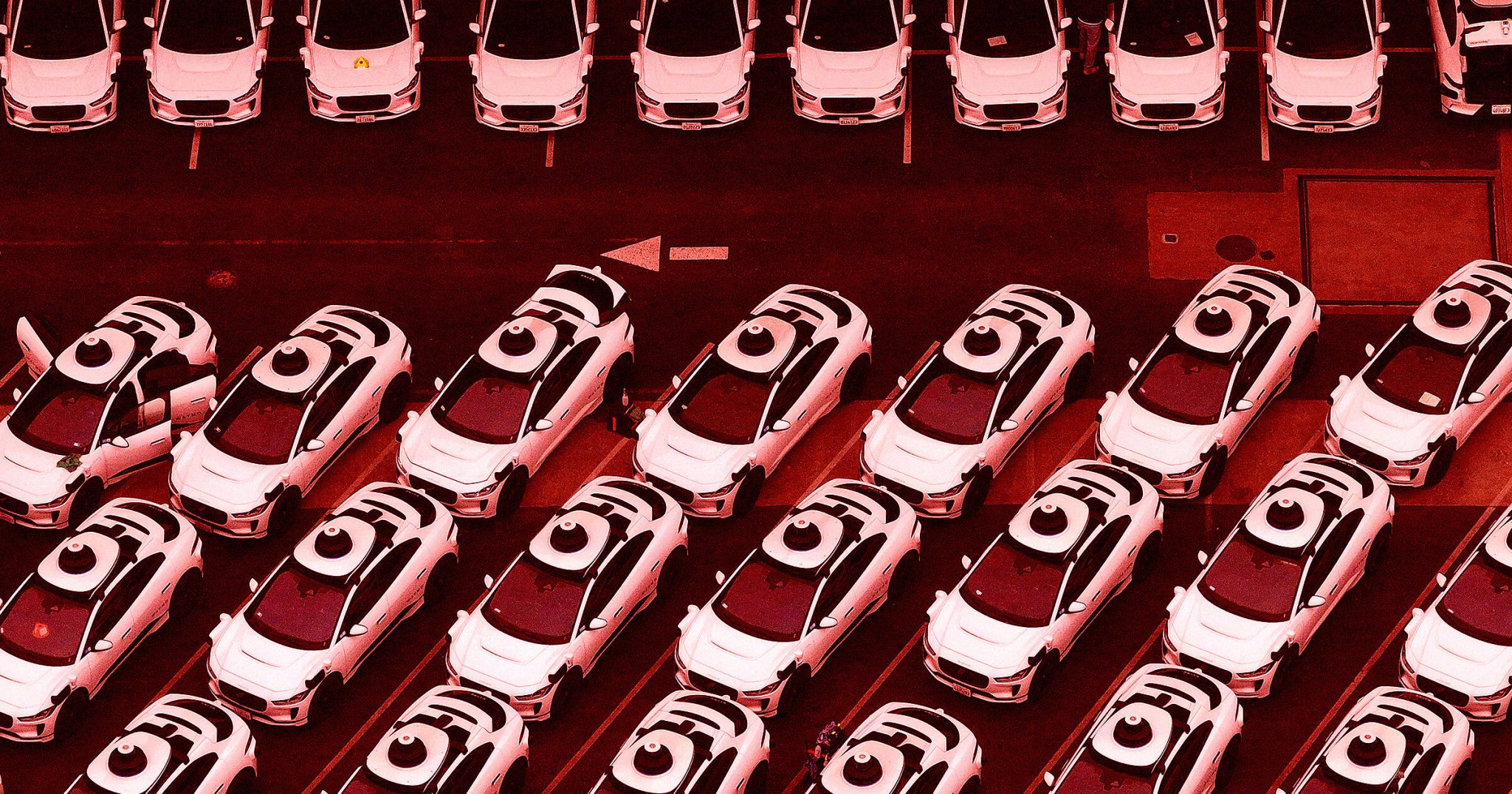
Rideshare operators affiliated with Uber are sounding the alarm over declining daily earnings, attributing the drop directly to the expanding presence of Waymo robotaxis on urban roads. As autonomous vehicle fleets scale up operations across key metro markets, human drivers report a noticeable contraction in ride requests and surge pricing opportunities that previously formed the bedrock of their incomes.
The friction highlights a growing structural tension within the gig economy, where traditional human-driven rideshare services are increasingly forced to share road real estate with fully driverless commercial fleets. Labor representatives note that driver pay has faced sustained downward pressure as autonomous units operate continuously without rest breaks, driving down overall fare rates across overlapping coverage zones.
In response to the encroaching technology, driver unions and labor advocacy groups are actively mobilizing to counter the impact of autonomous fleets. Union organizers are challenging the rapid deployment of driverless vehicles, raising concerns over fair competition, wage sustainability, and regulatory oversight regarding municipal operating permits for commercial robotaxis.
Waymo's continued expansion into ride-hailing networks has transformed driverless technology from a speculative pilot project into a direct commercial competitor for human gig workers. While proponents of autonomous vehicles argue that robotaxis enhance urban mobility and road safety, rideshare drivers maintain that the current rollout model disproportionately harms vulnerable workers dependent on flexible platform labor.
The ongoing dispute serves as a crucial test case for how municipal regulators and labor organizations manage the integration of autonomous technology into traditional transit ecosystems. As unions intensify their pushback, the debate over driver compensation and fleet limits is expected to shape future policy frameworks governing driverless vehicles nationwide.