Shenzhen-based automotive diagnostics firm THINKCAR has unveiled Tyler, an on-device artificial intelligence agent designed to forecast vehicle breakdowns before warning lights appear on the dashboard. The system is trained on more than 100 million diagnostic data records and historical repair cases, allowing it to surface early warning patterns that conventional scan tools miss. THINKCAR argues that the product marks a transition from reactive troubleshooting — where mechanics only read fault codes after a component has already failed — to preventive, pattern-based diagnostics aimed at everyday drivers.
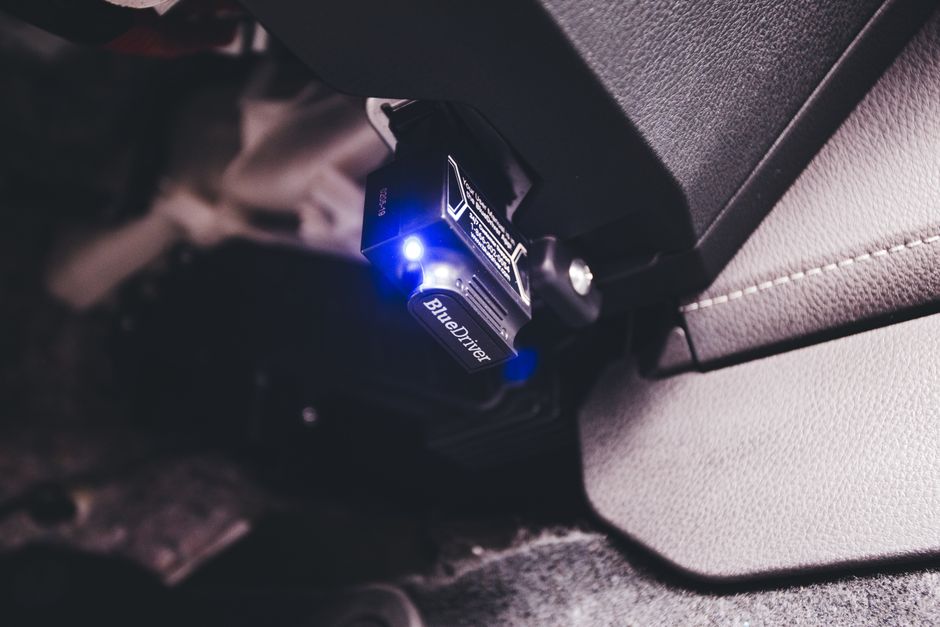
Tyler runs locally on THINKCAR hardware rather than depending on cloud processing, a design choice the company says reduces latency and keeps sensitive vehicle telemetry on the device. For years, consumer-grade OBD-II scanners have been limited to reading manufacturer-defined trouble codes, which by definition only fire once a sensor detects an out-of-spec condition. THINKCAR's pitch is that statistical patterns buried across millions of prior repair sessions can flag degrading components — battery cells, ignition coils, oxygen sensors, transmission solenoids — days or weeks before a hard fault is logged.
The launch lands as the global aftermarket diagnostics sector faces pressure from two directions: rising vehicle electronics complexity and a shortage of trained technicians able to interpret increasingly layered fault trees. Independent repairers in particular have struggled as modern cars have absorbed more software-defined functions. THINKCAR, headquartered in the Chinese technology hub of Shenzhen, is positioning Tyler as a tool that compresses institutional knowledge into a real-time recommendation engine that any shop or driver can use.
The company has not yet disclosed pricing tiers, regional roll-out dates or which THINKCAR product lines will ship with Tyler pre-installed. Industry analysts will be watching whether the predictive claims hold up outside controlled demos, particularly across mixed fleets of older vehicles where data sparsity has historically limited machine-learning accuracy. THINKCAR has also not named any automotive OEM partners or insurance telematics integrations, though early speculation has centred on usage-based insurance programmes that reward proactive maintenance.