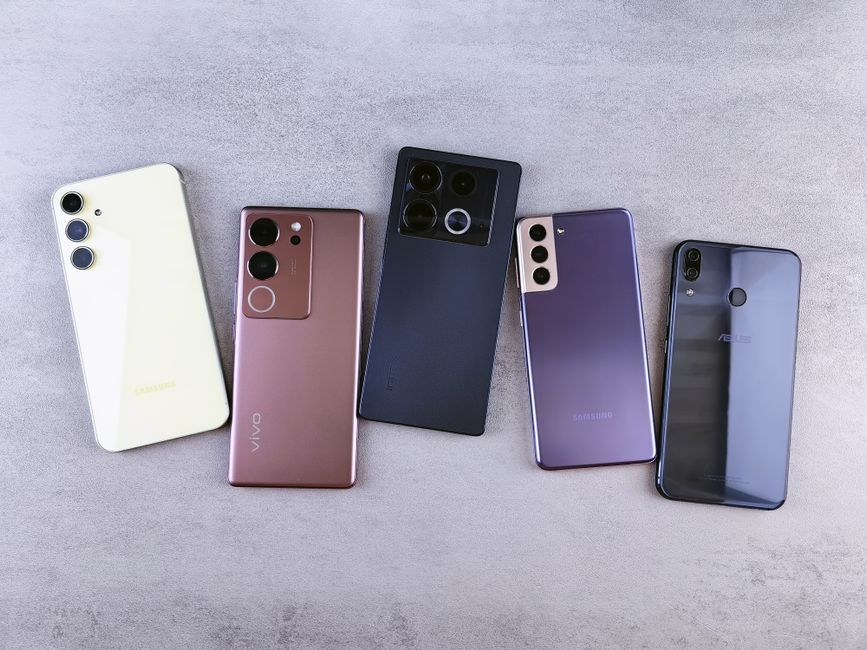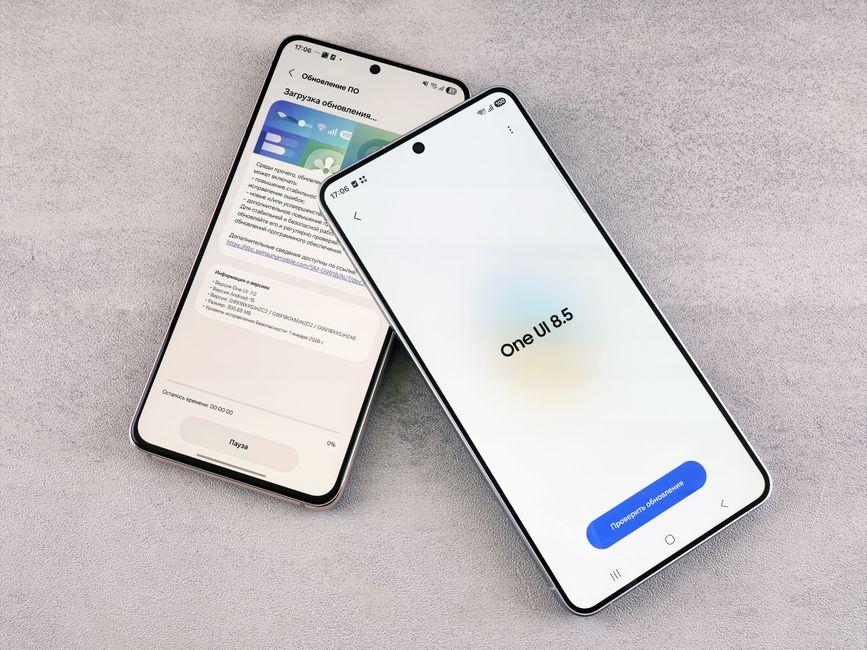
Samsung announced an update to its free upgrade list, extending eligibility to millions more Galaxy smartphones. The move enables these devices to receive the One UI 9 beta, Samsung's latest user‑interface layer built on Android 17, without any additional charge. The company highlighted that the expanded list reflects its commitment to keeping a larger portion of its handset portfolio current with the newest software innovations.
The One UI 9 beta, which was previously limited to a narrow set of flagship models, is now being rolled out this month to the Galaxy S26 series. In a parallel expansion, owners of the Galaxy S24 series have also been granted access to the beta, marking the first time the S24 line receives this version of the UI. Samsung’s rollout schedule indicates a staggered deployment, allowing the company to gather early feedback from a diverse user base.
Alongside the UI upgrade, the Galaxy S25 receives a notable camera enhancement: Super Steady mode with Horizontal Lock. This feature aims to improve video stability by locking the horizon, reducing wobble during handheld recording. The addition underscores Samsung’s focus on refining multimedia capabilities across its mid‑range and flagship devices as part of the broader beta package.
By widening the free upgrade list, Samsung continues a strategy of extending software support beyond its premium tier. The approach offers users longer device lifespans, reduces fragmentation in the Android ecosystem, and encourages adoption of Samsung’s proprietary features. It also positions the company to collect real‑world performance data from a broader spectrum of hardware configurations before finalizing the public release of One UI 9.
Industry observers note that the expanded upgrade eligibility could shift market dynamics, as more consumers gain access to the latest Android features without paying for a new handset. This may bolster Samsung’s competitive standing against rivals that limit free updates to a smaller set of devices, and could influence buyer decisions in markets where software longevity is a key purchasing factor.