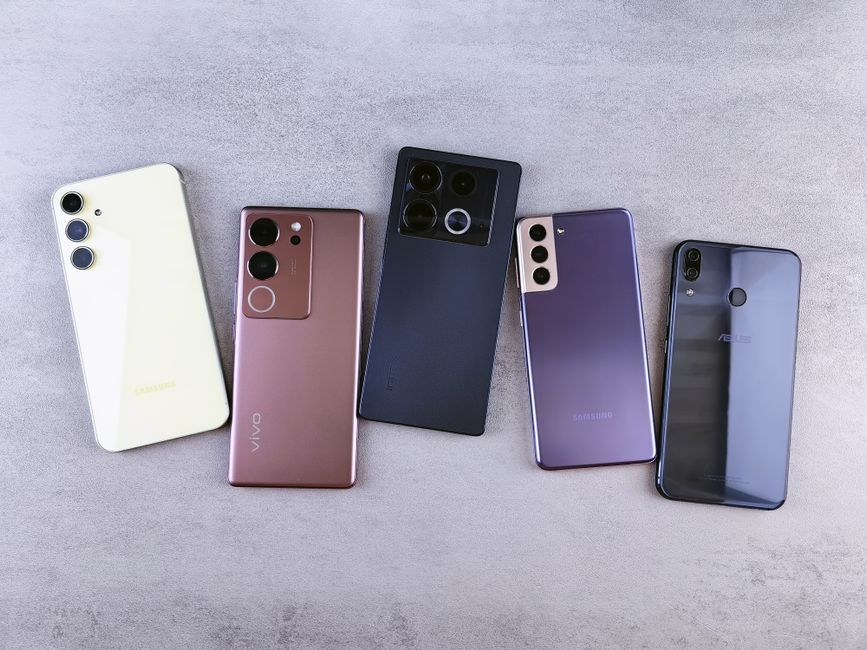
Despite the ongoing chip crisis that has hampered the broader smartphone industry, Samsung has persisted in launching new devices across every price segment. The company's ability to maintain a steady cadence of releases is notable in a market where many competitors have faced delays and supply constraints. In 2026, Samsung's portfolio includes a variety of models aimed at different consumer budgets, ensuring that buyers have options ranging from entry‑level to premium. This approach reflects Samsung's strategy to capture market share across all economic segments, even as component shortages drive up production costs.
The chip crisis, rooted in a global shortage of semiconductor components, has forced many smartphone manufacturers to delay product cycles and increase retail prices. Supply chain disruptions have limited the availability of key parts, making it difficult for brands to keep pace with consumer demand. As a result, the market has seen a contraction in the number of new model introductions, with many companies focusing on a handful of flagship devices rather than a full lineup.
Because Samsung offers devices across such a wide range of price points, consumers often find it challenging to determine which model best suits their needs. The abundance of choices can lead to analysis paralysis, especially when comparing specifications, pricing, and brand reputation. In response to this confusion, technology publications have begun to provide curated lists that simplify the decision‑making process for prospective buyers.
Gizmochina, a prominent technology news outlet, has addressed this challenge by publishing an article titled 'Best Samsung Phones of 2026: Our Top Picks'. The piece evaluates Samsung's current lineup and selects standout devices for each price segment, offering readers a concise recommendation guide. By highlighting the strengths and weaknesses of each model, the publication aims to help consumers make informed purchasing decisions in a crowded market.
The curated list not only benefits individual buyers but also provides insight into Samsung's strategic positioning for the remainder of 2026. Analysts note that by maintaining a diverse product portfolio, Samsung can mitigate the impact of component shortages and cater to varying consumer preferences. As the chip crisis continues to evolve, the ability to offer reliable options across price tiers may become a key differentiator for the brand.