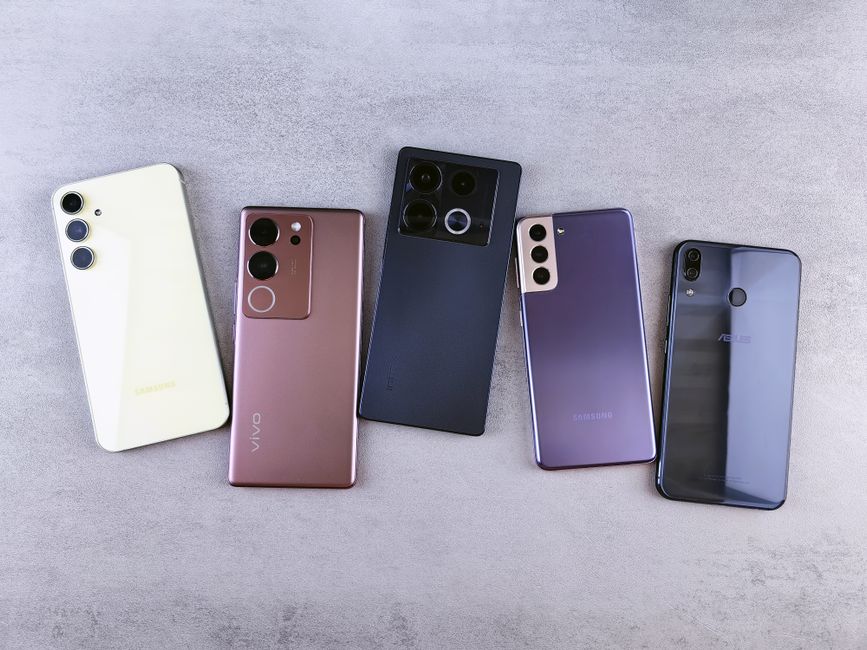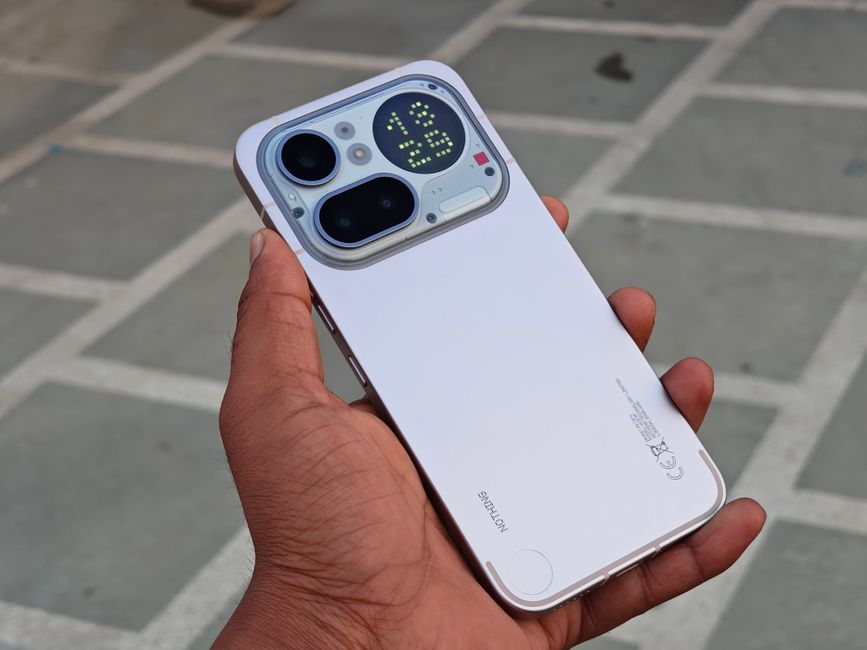
The ubiquitous presence of high-resolution digital cameras inside billions of contemporary smartphones traces its technological origins directly to an audacious semiconductor engineering breakthrough pioneered by NASA Jet Propulsion Laboratory (JPL) researchers in the 1990s, according to an engineering historical retrospective published by IEEE Spectrum.
During early planning for interplanetary space missions, NASA engineer Eric Fossum led an engineering initiative to replace bulky, power-intensive Charge-Coupled Device (CCD) optical sensors with low-power silicon alternatives capable of withstanding the harsh radiation environments of outer space. The research yielded the active-pixel CMOS (Complementary Metal-Oxide-Semiconductor) image sensor, integrating image capture and signal processing circuitry onto a single silicon chip.
While commercial semiconductor manufacturers initially doubted that CMOS sensors could match the photographic fidelity of specialized CCD arrays, the technology’s dramatic reduction in power consumption, compact form factor, and low-cost silicon wafer fabrication made it the ideal optical architecture for consumer electronics. Fossum subsequently commercialized the technology, which now underpins virtually every modern smartphone camera, automotive sensor, and digital camera system globally.
Technology historians highlight the CMOS active-pixel sensor as one of the most successful examples of NASA technology transfer, demonstrating how public investments in specialized deep-space exploration infrastructure can catalyze multi-billion-dollar global commercial technology industries.