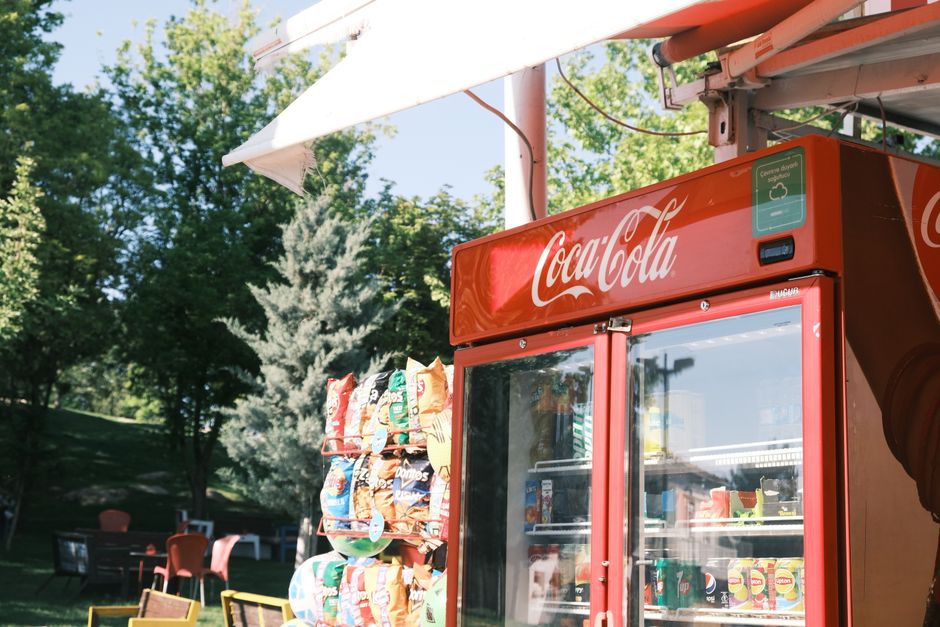
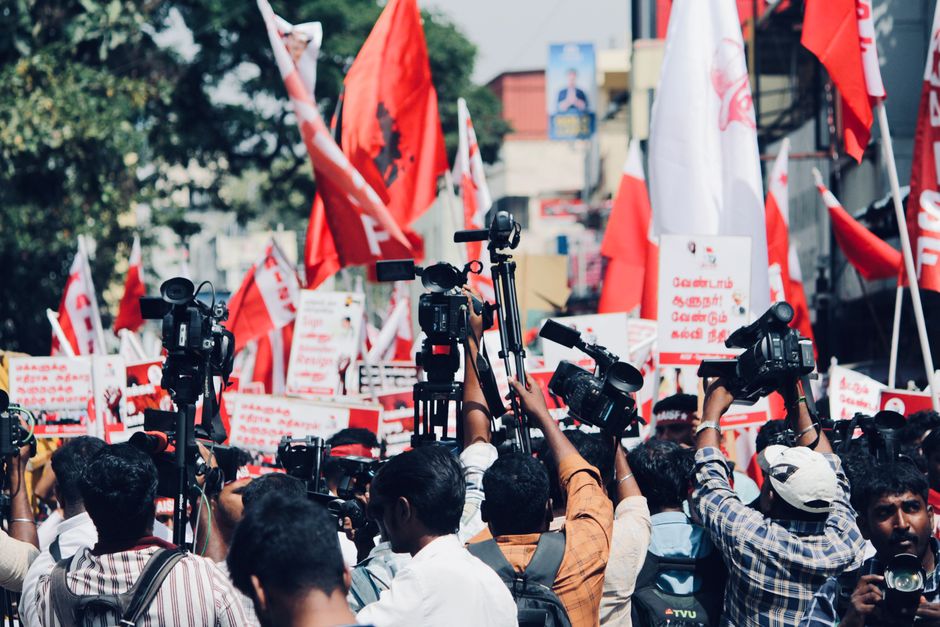
The Tea Board of India organised a public awareness campaign at Anna Nagar Tower Park in Chennai, using the popular city landmark as a venue to engage ordinary consumers on tea quality, labelling and the health benefits of drinking genuine tea. The initiative was structured around the twin themes of product awareness and wellness, with organisers seeking to close the gap between producers and end consumers in a city that has historically been more associated with filter coffee culture. Outreach events of this kind by the Tea Board have typically been deployed in tea-producing regions, making the Chennai stop a deliberate effort to engage a large South Indian metropolitan audience.
The programme combined informational messaging on tea's antioxidant content and its role in healthy living with practical consumer guidance on identifying authentic varieties and avoiding adulterated or mislabelled offerings in the market. Organisers described the response as encouraging, noting steady footfall at the park throughout the day and active engagement from residents, walkers and weekend visitors who stopped at the campaign site. Such direct-to-public formats have become a recurring tool for the Board as it seeks to reinforce the Indian Tea logo and quality markers at the consumer level, particularly in non-traditional markets where tea competes with other beverages.
By anchoring the drive at Anna Nagar Tower Park, one of Chennai's busiest neighbourhood green spaces, the Tea Board sought to reach a cross-section of the city's population in a relaxed, non-commercial setting rather than at a retail counter. Officials at similar past events have underlined that consumer awareness is increasingly viewed as a complement to regulatory enforcement, given that supply-side checks alone cannot fully address substitution in loose and packaged tea. The Chennai campaign, therefore, sits within a wider push by the Board to position Indian tea as both a heritage product and a contemporary wellness choice.
The event also dovetailed with broader public-health messaging around mindful eating and drinking habits, with the Tea Board framing moderate consumption of quality tea as part of a balanced lifestyle. While the Board has not yet released detailed attendance figures from the Chennai drive, the positive on-ground reception reported by organisers is likely to be cited as justification for replicating similar formats in other metropolitan centres. For a city where filter coffee remains a cultural staple, the campaign reflects a longer-term commercial calculation: building tea demand in regions where per-capita consumption lags the national average.