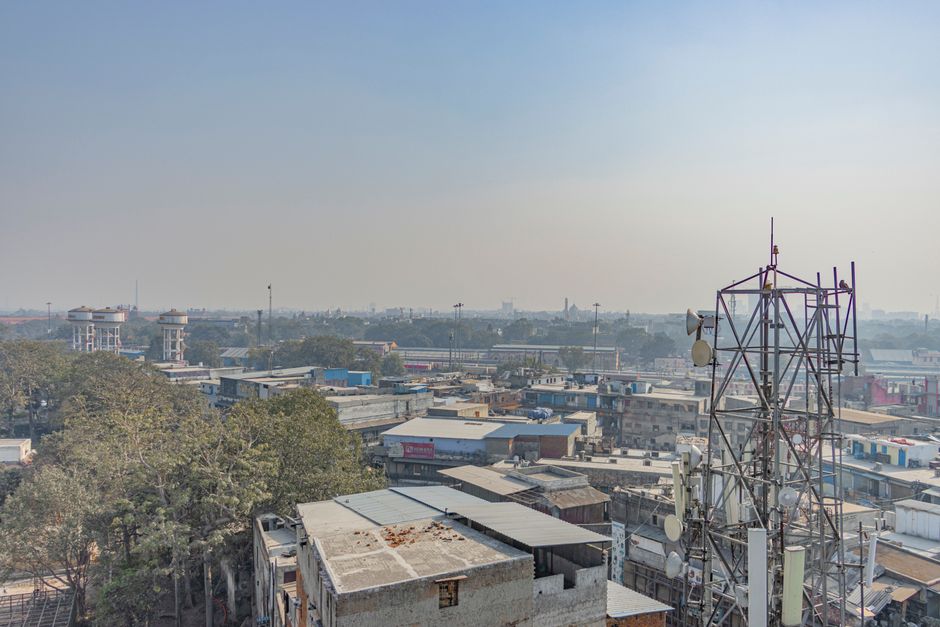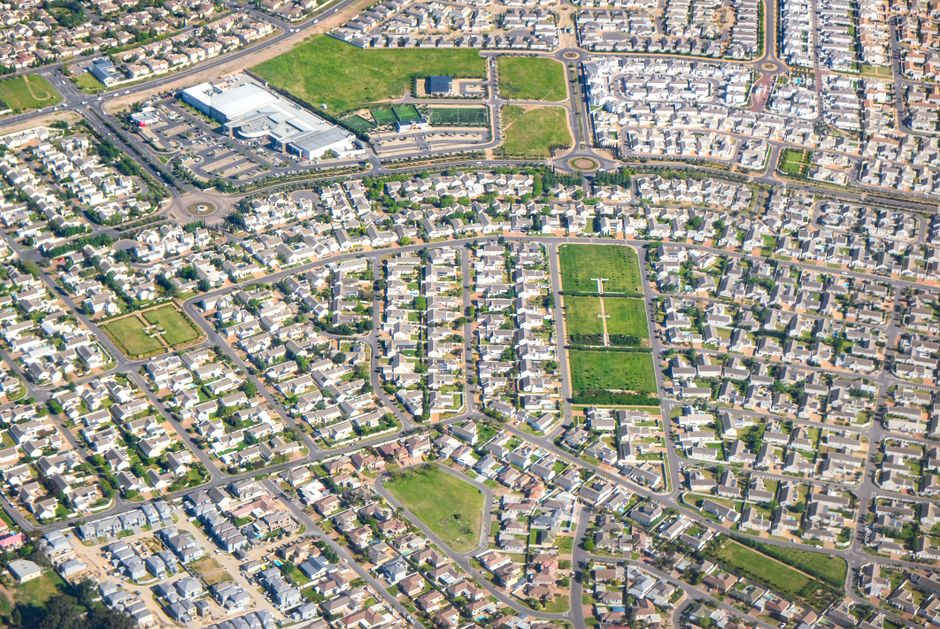
D Thara, a senior official at the Ministry of Housing and Urban Affairs (MoHUA), addressed housing developers on Tuesday, urging them to embed scientific approaches into the design and execution of new residential projects. She emphasized that sustainable urban living hinges on integrating green spaces, rainwater harvesting systems, and water‑recycling infrastructure from the outset.
The ministry’s directive comes as part of the broader Delhi Master Plan 2047, which aims to deliver affordable housing for the city’s growing population while mitigating environmental strain. Thara noted that developers must factor in not only the physical infrastructure required for these eco‑features but also assume clear accountability for their long‑term environmental impact.
In practical terms, the ministry is asking developers to allocate a minimum percentage of project land to parks, community gardens, or other green buffers. Simultaneously, new constructions should be equipped with rainwater capture tanks sized to meet at least 30% of the building’s non‑potable water demand, and water‑recycling units must be installed to treat grey‑water for landscaping and toilet flushing.
MoHUA has pledged to incorporate industry feedback into policy refinements, signalling an openness to innovative solutions that can lower construction costs while meeting sustainability benchmarks. The ministry also indicated that future approvals may be contingent on demonstrable compliance with these scientific standards, though no specific penalties were outlined.
Stakeholders in the real‑estate sector have welcomed the guidance, citing the potential for cost savings through reduced water bills and enhanced market appeal among environmentally conscious buyers. However, some smaller developers expressed concerns about the upfront capital required for such installations, urging the government to consider financial incentives or subsidies.