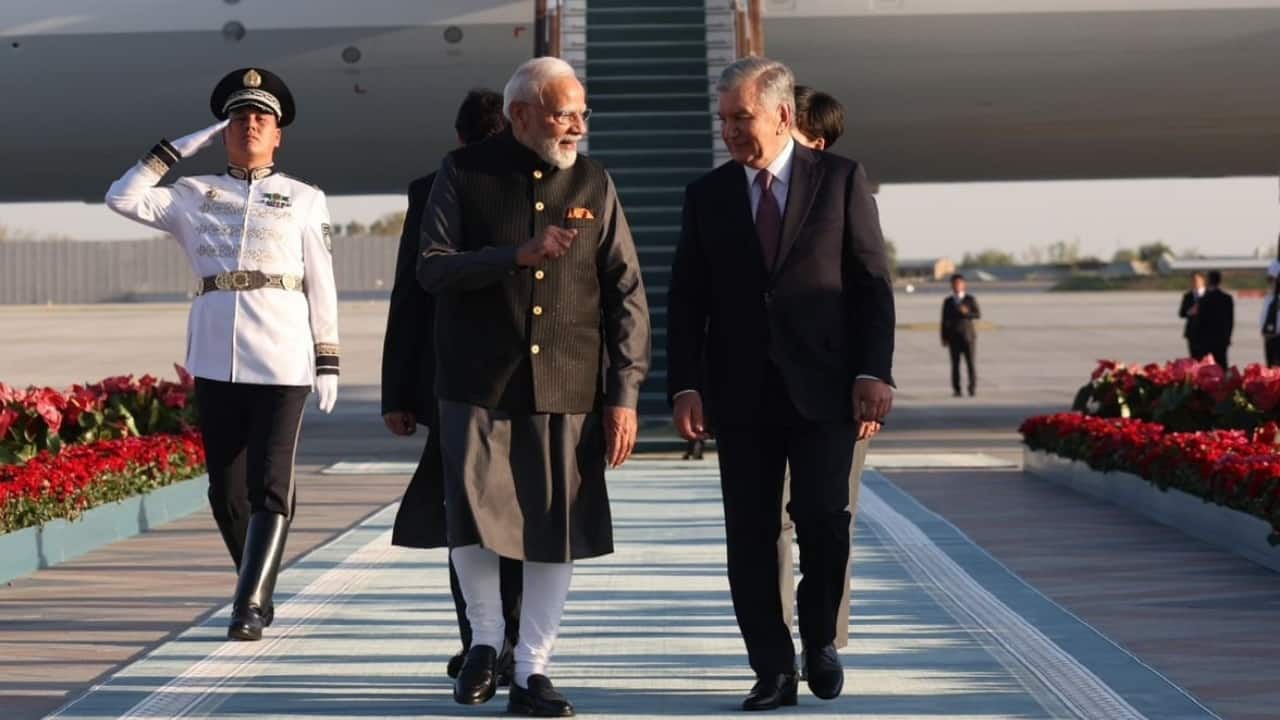
Prime Minister Narendra Modi used the platform of the Shanghai Cooperation Organisation (SCO) summit in Central Asia to extend a carefully curated slate of cultural gifts to the Uzbek and Kyrgyz leadership, an exchange that has drawn attention in Indian media as a deliberate exercise in heritage diplomacy. The list of presents, as reported by multiple Indian outlets including The Times of India, News18, The Tribune and DD India, ranged from handcrafted marble inlay work and traditional Indian silk to a specially commissioned edition of the Mahabharata, one of the foundational epics of Indian literature and philosophy.
The gift exchange took place against the backdrop of Modi's visit to Bishkek, the capital of Kyrgyzstan, which hosted the SCO leaders' meeting. Indian coverage framed the Kyrgyz capital as the diplomatic centre of gravity for the summit and highlighted Modi's bilateral meetings on the sidelines. Reports from ANI and DD India noted that a Kyrgyz academician and former ambassador publicly welcomed Modi's visit, drawing attention to the parallels between the epic Manas — a cornerstone of Kyrgyz literary tradition — and the Indian Mahabharata, suggesting that the two texts share common values of friendship, tolerance and moral reflection.
Diplomatic observers tracking India's Central Asia outreach have noted that the choice of gifts was not incidental. Marble inlay, a craft associated with Agra and the wider Indo-Islamic artistic tradition, and silk, drawn from India's centuries-old textile belt, both serve as tangible exports of Indian craftsmanship to foreign dignitaries. Pairing these material crafts with the Mahabharata signalled a softer cultural message: that India's civilisational vocabulary, including its classical literature, is being positioned as a bridge to shared values in the post-Soviet space. The framing in Indian reporting consistently emphasised cultural diplomacy rather than any security or trade deliverables emerging from the summit.
The visit also carried a logistical and symbolic dimension, as several Indian travel outlets piggy-backed on the summit news to publish guide-style features on seven must-visit places in Bishkek, signalling public interest in Kyrgyzstan beyond the political exchange. For New Delhi, the gesture follows a longer pattern of using gifting protocols to communicate strategic intent, particularly during multilateral summits where bilateral time with host leaders is limited. The Uzbek and Kyrgyz presidencies have not, as of the available reports, released detailed statements on how the gifts will be displayed or archived, though Indian outlets have framed the exchange as a strengthening of bilateral bonds through shared heritage.