The Ministry of Home Affairs announced on August 30 that, effective September 1, all Indian airports will discontinue the practice of stamping boarding passes for international departures. The decision, communicated through a circular to immigration officials and airline partners, marks the first nationwide shift toward a fully paper‑less clearance system for outbound passengers.
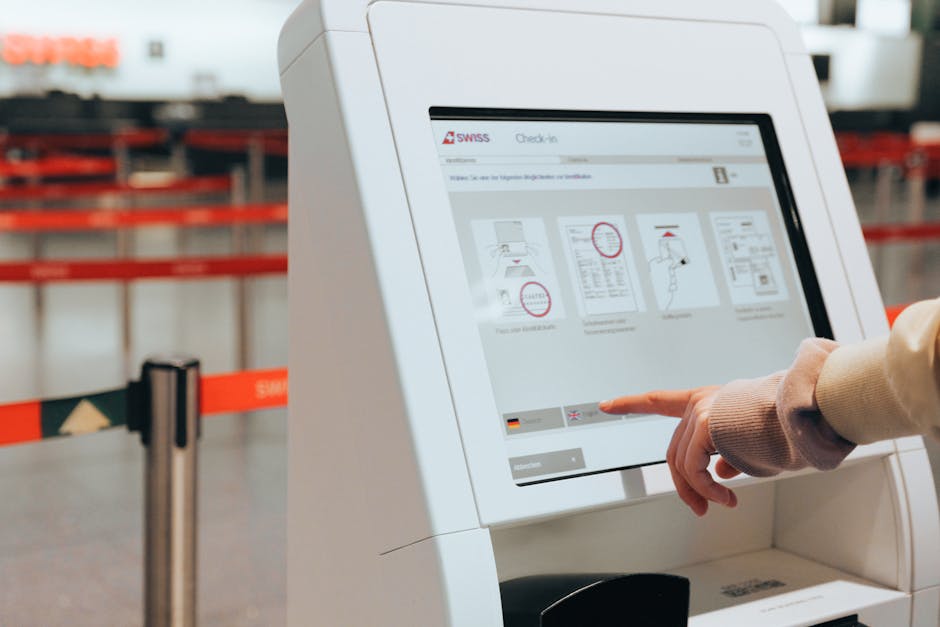
Under the previous regime, immigration officers manually stamped each boarding pass after verifying the traveller’s visa and passport details, a step that added several minutes to the departure queue. The new protocol permits passengers to show either a printed copy of their e‑boarding pass or a digital version displayed on a smartphone or tablet, with the stamp step eliminated entirely.
Officials say the change is designed to enhance operational efficiency and cut wait times, especially during peak travel periods. Early trials at Delhi and Mumbai airports showed a reduction of average clearance time by up to 30 percent, prompting the rollout to other hubs such as Bengaluru, Chennai, and Kolkata. The move also aligns India’s departure procedures with global best practices adopted by many major airports worldwide.
Implementation will involve a brief training programme for immigration staff to verify digital passes using handheld scanners and to recognize authentic printed copies. Airlines have been instructed to update their check‑in software to flag passengers who present electronic tickets, and to disseminate guidance through booking confirmations and airport signage. Travelers are advised to ensure their boarding passes are legible on screen and to keep a printed backup in case of device failure.
The stamp‑free initiative is part of a broader push for paperless travel that began with the introduction of e‑visas and biometric verification in 2022. While the transition promises smoother flows, authorities acknowledge the need for robust data safeguards to protect passenger information displayed on personal devices. Ongoing monitoring will assess the impact on immigration throughput and any unforeseen security concerns.