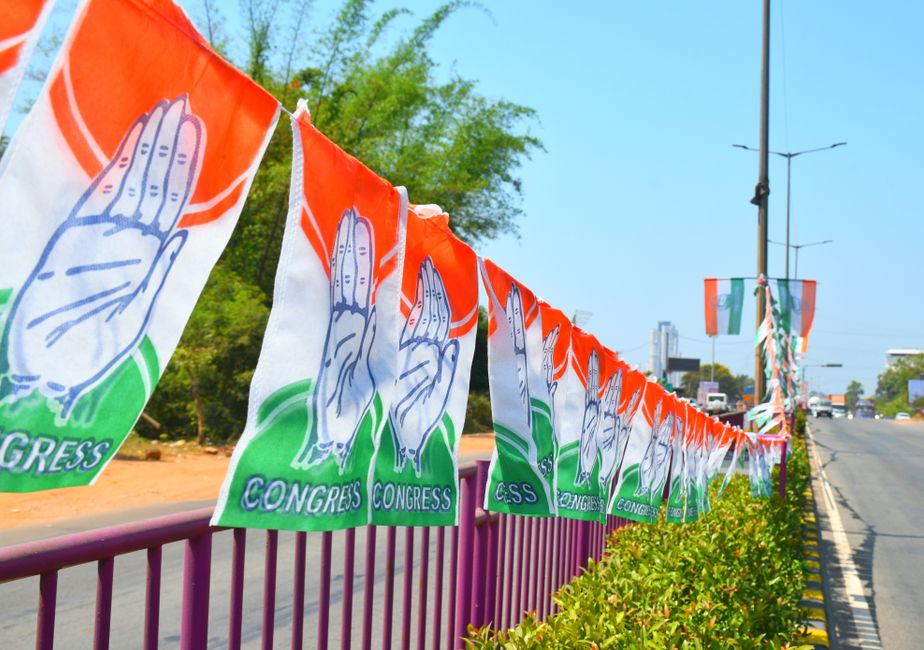
A sharp political debate has emerged between the ruling Bharatiya Janata Party (BJP) and the opposition Indian National Congress over the diplomatic achievements and strategic outcomes of the expanded BRICS summit declaration.
BJP spokespersons characterized the joint communique as a significant validation of India’s multipolar foreign policy and strategic autonomy within the expanded 10-nation bloc. Government representatives highlighted India’s successful leadership in shaping consensus around robust counter-terrorism frameworks, international financial messaging resilience, and voluntary local-currency settlement mechanisms designed to lower cross-border transaction costs for Indian exporters.
Conversely, senior Congress leadership challenged the government's assessment, asserting that the multilateral declaration lacked enforceable timelines for addressing chronic trade deficits and omitted specific bilateral security assurances concerning border stability in Eastern Ladakh. Opposition lawmakers argued that India’s diplomatic focus must secure concrete strategic guarantees rather than broad multilateral proclamations.
Debate Over Nehruvian Legacy
The domestic political exchange also expanded into competing claims over India's diplomatic lineage and multilateral traditions. Senior Congress leader Jairam Ramesh invoked Jawaharlal Nehru’s Bandung Conference legacy and early non-aligned diplomacy, citing the phrase “Mera saaya saath hoga” to argue that the summit's emphasis on South-South cooperation reflects continuity with Nehru’s foundational foreign policy framework. Ramesh maintained that modern multipolar groupings build directly upon the internationalist vision established during the post-independence era.
Ruling party commentators and BJP leaders countered the opposition's historical claims, rejecting assertions that summit achievements owed their success to past non-aligned policies. BJP representatives argued that Prime Minister Narendra Modi’s engagements reflect a distinct and pragmatic multi-alignment doctrine anchored in national security and economic priorities, contending that grouping expansion and strategic autonomy represent active leadership rather than passive non-alignment.
Foreign policy analysts noted that the domestic political sparring reflects contrasting visions for India’s global alignment, as New Delhi continues to balance its foundational leadership in Global South forums like BRICS alongside deepening security partnerships with the Quad and Western democracies.