
Iran Conflict's Six-Month Oil Disruption Fuels Price Uncertainty Across New York
Six months into the Iran conflict, disruptions to crude supplies have kept gasoline, diesel and heating‑fuel prices volatile in New York, prompting state officials to monitor inventories and consider relief measures.
By SamacharDaily Editorial Team••1 min read
New York’s wholesale gasoline price has hovered 12‑15% above pre‑conflict levels, while diesel and heating‑fuel costs have risen similarly, according to recent NYSERDA data. The surge follows reduced crude exports from the Persian Gulf, tighter tanker routes and lower refinery runs at Gulf Coast plants that traditionally feed the Northeast market.
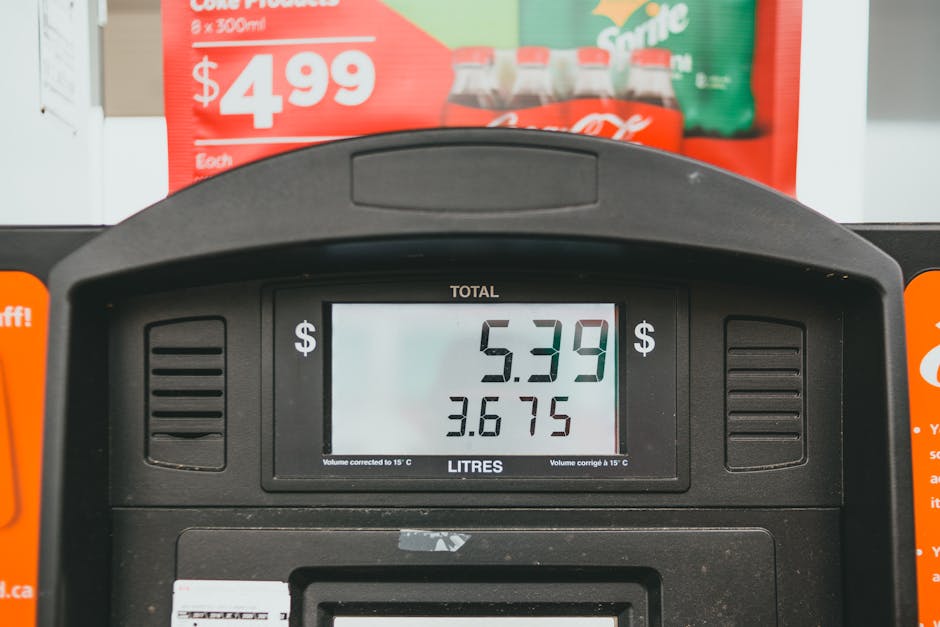
Retail stations across the state report price tags that fluctuate daily, with some commuters seeing a $0.30‑$0.45 per gallon increase. The volatility is compounded by seasonal demand for heating fuel as the region approaches winter, pressuring households and small businesses that rely on diesel for delivery fleets.
State officials, including the Department of Environmental Conservation, have begun weekly inventory audits and are coordinating with the U.S. Energy Information Administration to assess strategic reserve options. Governor’s office officials say they are reviewing emergency measures to cushion low‑income consumers from the sustained price pressure.
Video: War with Iran could impact food, gas and shipping prices
Higher fuel costs directly erode household disposable income, especially for low‑ and middle‑income families that spend a larger share of earnings on transportation and heating. The sustained price rise also threatens the competitiveness of New York’s logistics sector, which could translate into higher prices for goods statewide.
On a broader scale, the price instability underscores the vulnerability of U.S. energy markets to geopolitical shocks. Persistent supply constraints may accelerate policy debates around domestic refining capacity, strategic petroleum reserve utilization, and the push for alternative energy sources to reduce reliance on volatile overseas oil flows.
Reporting based on verified dispatches from Spectrum News 1 | Buffalo.View primary release ↗
Stay Connected
Follow SamacharDaily on Instagram
Visual explainers, infographics, and daily news briefings on your feed.
Food Bank for NYC warned on Sept. 9 that a pending federal shift of SNAP costs to states could cripple state and local budgets, heighten food‑bank demand and jeopardise food access for New Yorkers.
The Canada Infrastructure Bank has closed a $20 million loan to fund a 4.2‑MW wind turbine and a 4‑MW battery system for a Kitikmeot Inuit Association‑Tugliq Energy partnership serving a gold mine in Nunavut.
•2 min read
The Daily Briefing
Verified reporting and explanatory briefings delivered every morning. Zero fluff.