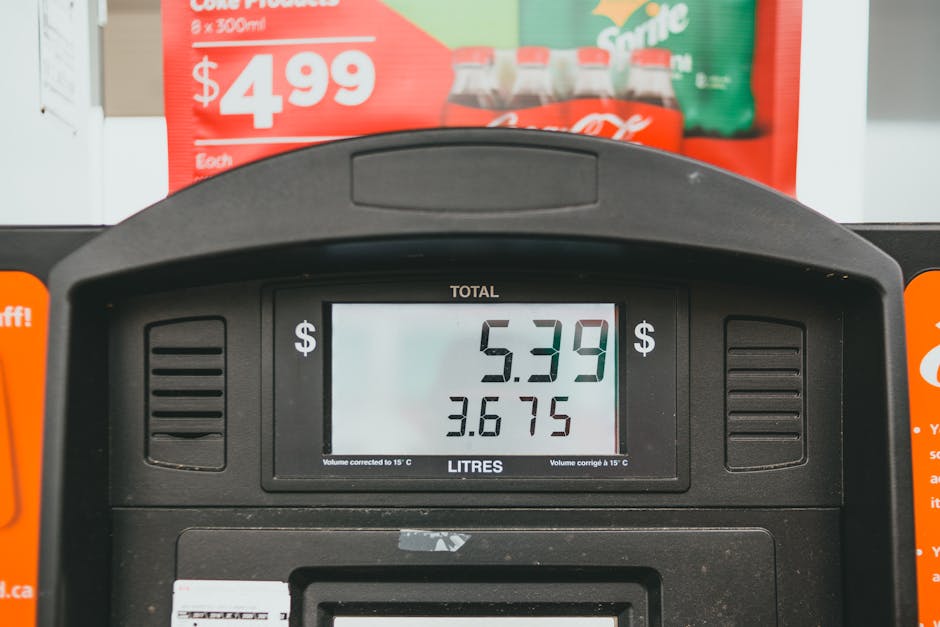
Retail diesel prices in the United States have surged to an all-time high, surpassing the previous record set in 2022, as the escalating conflict involving Iran continues to reshape global energy markets and tighten supply chains for refined petroleum products. The price movement marks one of the sharpest sustained increases in the fuel benchmark since the post-pandemic period and comes at a politically sensitive moment for American households and businesses already contending with elevated costs across transportation, agriculture, and consumer goods.
According to the Financial Times, the spike reflects how swiftly geopolitical conflict in the Middle East can transmit into domestic fuel markets. Diesel, a critical input for the trucking industry, rail freight, and agricultural machinery, has historically responded to supply disruptions with sharper and longer-lasting price increases than regular gasoline because of tighter refining margins and the limited substitution options available to commercial users. The previous 2022 peak, driven by the war in Ukraine and subsequent sanctions on Russian energy exports, had stood as the benchmark for fuel-driven inflation in the post-pandemic recovery period.
Analysts note that the current price surge carries distinct political weight given its proximity to November's midterm elections, when voters in dozens of US states will weigh candidates on issues ranging from household budgets to supply-side affordability. Higher diesel costs typically pass through to grocery prices, shipping fees, and construction materials within weeks, meaning the inflationary effect of the latest move could be felt across multiple retail categories well before Election Day. Trucking industry groups have already begun signalling concern over margin compression, with smaller carriers expected to be hit hardest because of limited ability to hedge fuel costs.
The broader macroeconomic picture is complicated by the fact that the United States remains structurally short of domestic refining capacity, a condition that magnifies the impact of any disruption to global crude flows. The Iran conflict has introduced a fresh premium into global oil benchmarks, which has flowed directly into wholesale diesel pricing along the Gulf Coast and Northeast distribution hubs. Federal data tracking retail diesel averages has shown week-over-week acceleration rather than easing, suggesting that the market has not yet stabilized even as policymakers weigh potential interventions. The trajectory of prices over the coming weeks is expected to influence both consumer sentiment indices and the political messaging of incumbents heading into the fall campaign season.