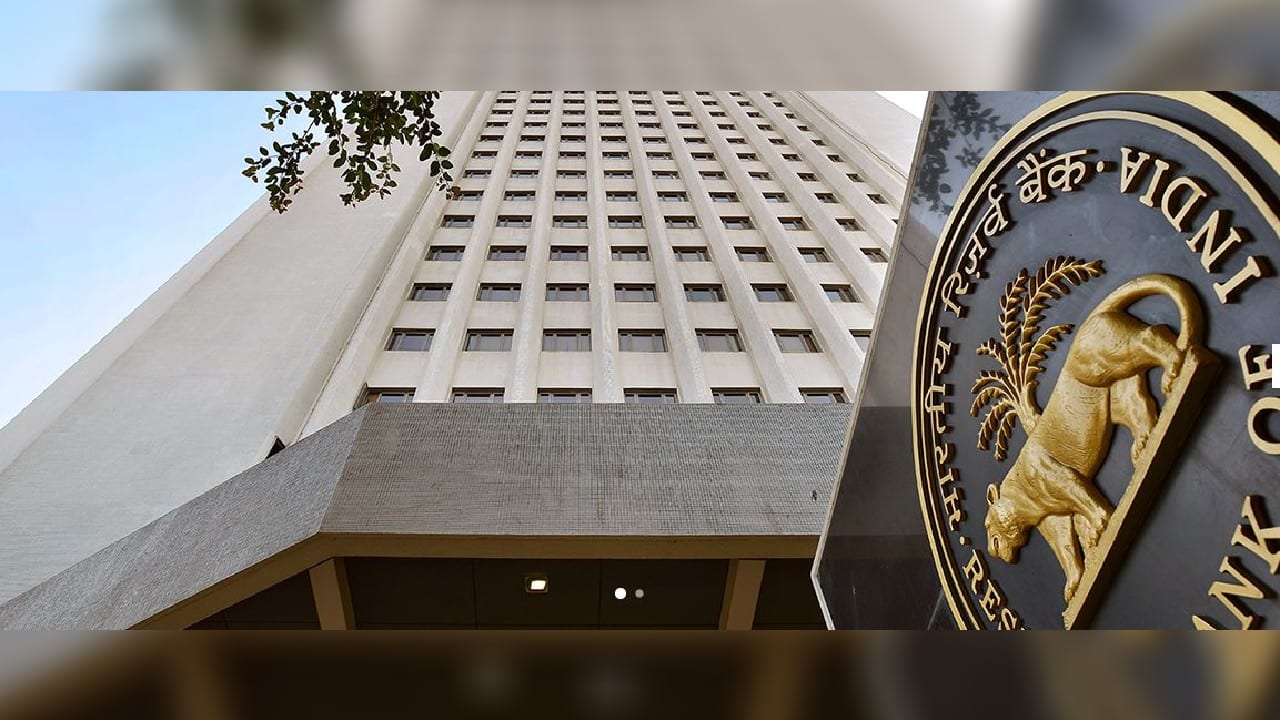
RBI Boosts Dollar Sales as Rupee Stays Confined to Tight Band
The Reserve Bank of India intervened heavily, offloading over $8 billion in the spot and offshore markets to keep the rupee within a narrow trading range.
By SamacharDaily Editorial Team••2 min read
The Reserve Bank of India (RBI) has stepped up its market operations this week, selling more than $8 billion in foreign exchange across both the domestic spot market and offshore platforms. Market participants say the intervention was aimed at preventing the rupee from breaking out of a tightly‑held band that has seen the currency hover around the same levels for several days. By providing a steady flow of dollars, the central bank has been able to absorb excess demand for foreign currency, thereby cushioning the rupee from sharper depreciation pressures that often arise from global risk‑off sentiment or domestic fiscal concerns.
Analysts note that the RBI’s actions come at a time when the Indian external sector is under strain from a combination of higher global oil prices, a strong U.S. dollar and modest capital outflows from emerging markets. The central bank’s willingness to sell dollars in both on‑shore and offshore markets reflects a coordinated approach to maintain market stability. While the rupee has remained within a narrow corridor, the RBI’s sizeable dollar sales suggest that the currency’s resilience is being actively managed rather than being purely market‑driven.
The intervention also signals that the RBI is prepared to use its foreign‑exchange reserves more aggressively if needed. The central bank’s total reserves have been bolstered over the past year, giving it ample room to conduct such operations without jeopardising its overall balance‑sheet health. Traders have observed that the rupee’s limited movement is likely a result of the RBI’s readiness to step in whenever the currency shows signs of breaking the established range.
Video: New Red Line for India’s Rupee is forming as pressure mounts | World Business Watch | WION
A stable rupee is crucial for India’s import‑dependent economy, especially for essential commodities like oil and gold. By keeping the currency within a predictable band, the RBI helps contain inflationary pressures that could arise from a weaker rupee, thereby protecting consumer purchasing power. Moreover, exchange‑rate stability reassures foreign investors, who monitor currency risk closely when allocating capital to Indian equities and bonds. The RBI’s intervention also underscores the central bank’s proactive stance in a volatile global environment, where sudden shifts in U.S. monetary policy or geopolitical tensions can quickly translate into capital outflows from emerging markets.
Looking ahead, the RBI may continue to calibrate its interventions based on evolving market dynamics. If the rupee starts to drift beyond the current range, further sales of dollars or even the use of other policy tools, such as adjusting the policy repo rate, could be employed. For businesses and investors, monitoring the RBI’s foreign‑exchange actions will remain essential to gauge the likely trajectory of the rupee and its impact on trade, investment, and inflation.
Food Bank for NYC warned on Sept. 9 that a pending federal shift of SNAP costs to states could cripple state and local budgets, heighten food‑bank demand and jeopardise food access for New Yorkers.
The Canada Infrastructure Bank has closed a $20 million loan to fund a 4.2‑MW wind turbine and a 4‑MW battery system for a Kitikmeot Inuit Association‑Tugliq Energy partnership serving a gold mine in Nunavut.
•2 min read
The Daily Briefing
Verified reporting and explanatory briefings delivered every morning. Zero fluff.