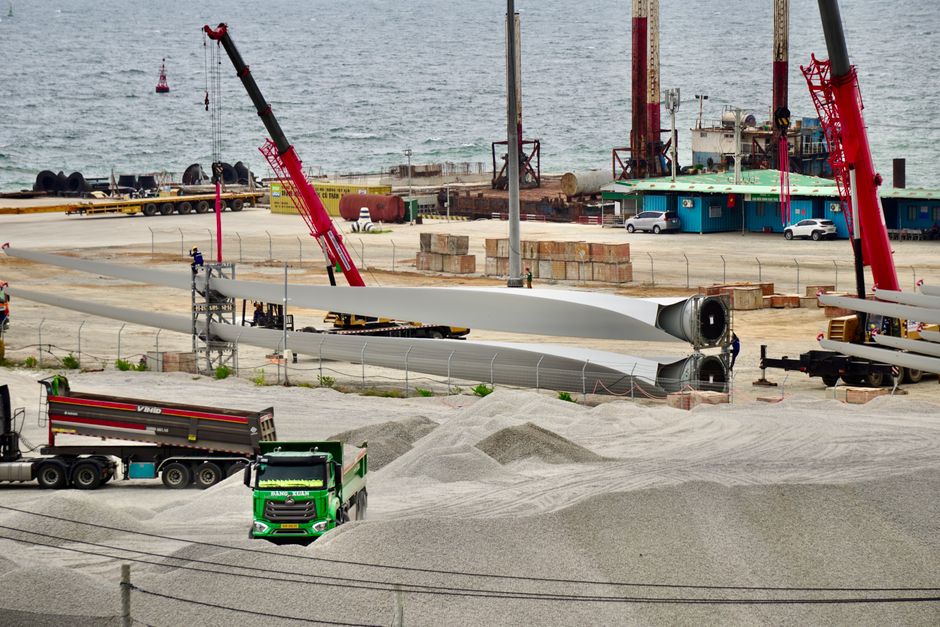
The Canada Infrastructure Bank (CIB) announced the closure of a $20 million loan to finance a renewable‑energy project in Nunavut’s Kitikmeot region. The loan backs a partnership between the Kitikmeot Inuit Association (KIA) and Tugliq Energy, which together will develop a 4.2‑megawatt wind turbine coupled with a four‑megawatt battery storage system.
The wind‑plus‑storage facility is designed to supply power to a nearby gold mining operation, reducing the mine’s reliance on diesel generators and cutting greenhouse‑gas emissions in the remote Arctic community. The project marks one of the first large‑scale, Inuit‑led renewable‑energy installations in Canada’s far north.
The CIB, a federal Crown corporation created to mobilise private capital for infrastructure, said the loan will be disbursed in tranches tied to construction milestones, with the first tranche released in October. The partnership expects to complete turbine installation by early 2027, followed by commissioning of the battery storage unit.
Funding for the venture also includes private‑sector equity from Tugliq Energy and a grant from Indigenous Services Canada, reflecting a broader federal push to decarbonise northern industries. The gold mine, operated by a major multinational, has pledged to purchase all electricity generated by the wind‑battery system under a long‑term power purchase agreement.
Local stakeholders, including the KIA, highlighted the project’s potential to create skilled jobs for Inuit workers and to provide a reliable, clean power source for nearby communities. Environmental groups have welcomed the initiative as a step toward meeting Canada’s 2030 emissions targets, especially in energy‑intensive extractive sectors.