Business
Pakistan’s Five Refineries to Sign $6 Billion Upgrade Agreements in September
Photo: tsvetana paraskova

Pakistan’s Five Refineries to Sign $6 Billion Upgrade Agreements in September

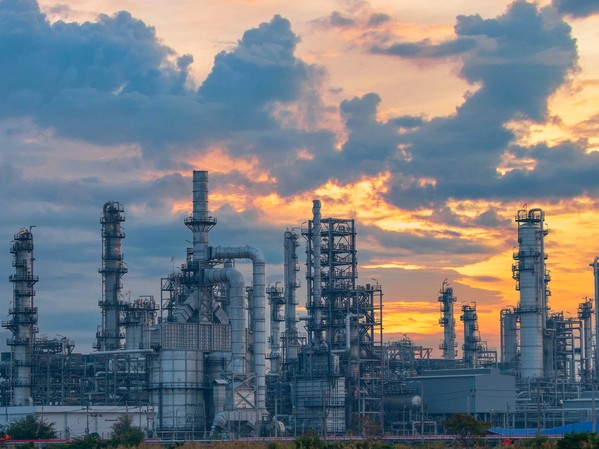
Representatives of Pakistan’s five major oil refineries will meet the federal petroleum minister in early September to seal upgrade deals that could bring up to $6 billion of investment into the country’s refining sector.

In a coordinated push to modernise its downstream oil sector, Pakistan’s five largest refineries – Pak Arab Refinery Limited (PARCO), Pakistan Refinery Limited (PRL), National Refinery Limited (NRL), Cnergyico, and Attock Refinery Limited (ARL) – gathered with Federal Minister for Petroleum Ali Pervaiz Malik to discuss the government’s Refinery Upgradation Policy. The meeting, reported by Business Recorder and relayed by Oilprice.com, set the stage for formal agreements that are expected to be signed in early September. Under the policy, each refinery will receive a tailored package of technical and financial support aimed at enhancing capacity, improving product quality, and reducing reliance on imported refined fuels.

The proposed upgrades are projected to unlock as much as $6 billion in private and public investment. While the exact allocation of funds remains under negotiation, the consensus among the participants is that modernisation will involve installing new processing units, upgrading existing distillation columns, and implementing advanced environmental controls. The upgrades are also expected to align the refineries with international standards, potentially opening avenues for export of refined products.

ALSO READ | Food Bank for NYC Urges Congress to Halt SNAP Cost Shift and Fully Fund Emergency Aid

The government’s involvement signals a shift from ad‑hoc subsidies toward a structured, policy‑driven framework for the sector. By offering clearer regulatory guidelines and potential fiscal incentives, the Ministry of Petroleum hopes to attract both domestic and foreign capital, thereby reducing the chronic shortfall in Pakistan’s refining capacity that has historically forced the country to import a significant share of its gasoline and diesel.

Video: Pakistan Refinery Policy 2026 | Which Refinery Has the Strongest Upgrade Plan?
Watch on YouTube ↗
Why This Matters

Pakistan imports roughly 30‑40% of its refined petroleum products, a dependency that strains foreign exchange reserves and drives up fuel prices for consumers. Upgrading the existing refineries could boost domestic output, improve energy security, and help stabilise retail fuel costs. Moreover, the $6 billion investment estimate underscores the scale of capital needed to bring aging infrastructure up to modern standards, signalling confidence among investors in the country’s long‑term energy outlook.

If the upgrades proceed as planned, they could also create a ripple effect across related industries, such as petrochemicals and logistics, fostering job creation and technology transfer. The success of the Refinery Upgradation Policy may set a precedent for further reforms in Pakistan’s energy sector, influencing policy decisions on upstream exploration, renewable integration, and broader economic reforms aimed at curbing the trade deficit.

Reporting based on verified dispatches from Oilprice.com. View primary release ↗
Stay Connected
Follow SamacharDaily on Instagram

Visual explainers, infographics, and daily news briefings on your feed.

More in Business