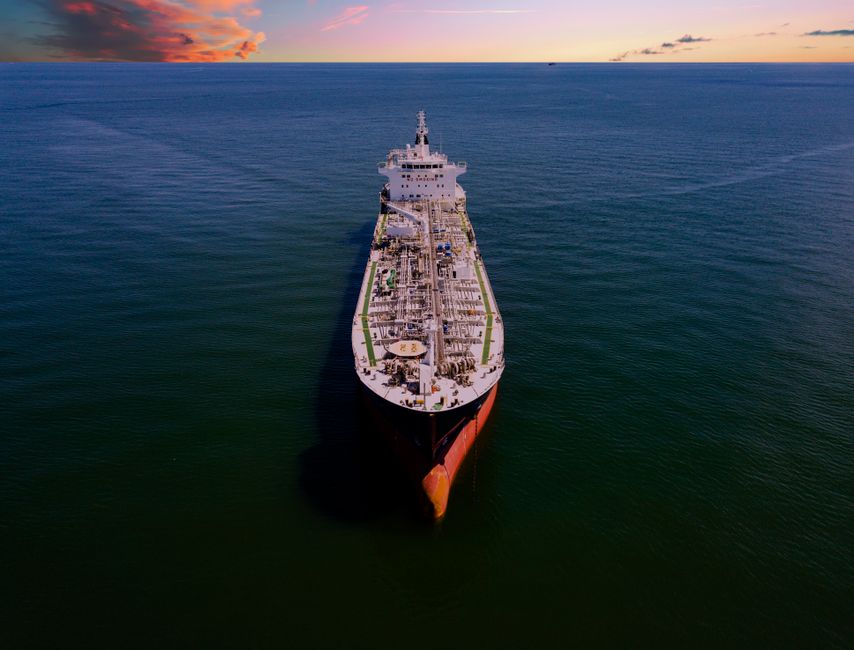
Global crude benchmarks nudged higher on Tuesday as market participants digested news of multiple attacks on oil tankers transiting the Persian Gulf. The price uptick was modest, with Brent futures gaining a few cents per barrel and the Asian spot price for Arab Light edging up by a similar margin. The movement reflected a cautious optimism that the incidents, while unsettling, would not immediately choke the flow of oil from the region.
The Persian Gulf remains the world’s most critical artery for oil transport, channeling roughly a third of daily global oil shipments through the Strait of Hormuz and adjacent sea lanes. According to maritime security alerts, at least two commercial tankers were targeted in separate incidents over the past 24 hours, prompting temporary rerouting and heightened naval patrols. No casualties were reported, but the attacks underscored the persistent threat posed by regional tensions to uninterrupted energy logistics.
Traders on the New York Mercantile Exchange and the Intercontinental Exchange responded by tightening bid‑ask spreads, signaling heightened uncertainty. Analysts noted that even a brief disruption in tanker movements can tighten short‑term supply, prompting speculative buying that lifts prices. While the price rise was limited, the market’s sensitivity to any hint of supply interruption was evident, with futures contracts for delivery in the next 30 days showing the most pronounced gains.
For India, which imports over 80 percent of its oil needs, the development carries immediate relevance. Higher crude prices translate into increased import bills for Indian refiners, potentially feeding through to retail fuel prices. The Ministry of Petroleum and Natural Gas has previously warned that geopolitical flashpoints in the Gulf can exacerbate inflationary pressures, especially when the rupee is already under stress from external factors.
The broader energy landscape also watches the incident closely. OPEC+ members, which collectively manage a substantial share of global output, are likely to assess whether the attacks warrant any adjustment to production quotas. Meanwhile, shipping companies are reviewing security protocols, and insurers are revisiting risk premiums for Gulf voyages. The episode serves as a reminder that geopolitical risk remains a key variable in oil market dynamics.