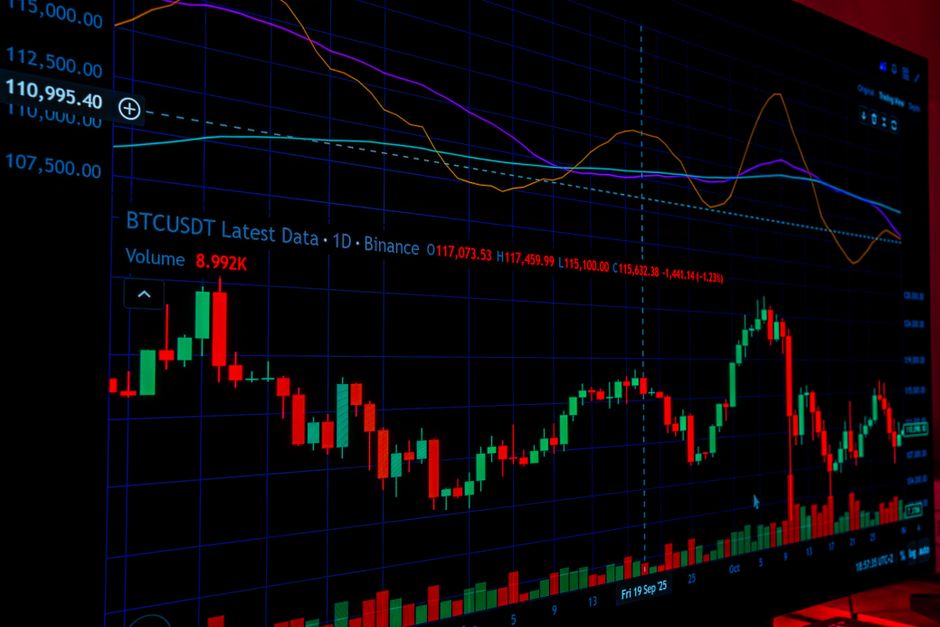
Crypto industry insiders were stunned when David Bailey, a long-time ally of former U.S. President Donald Trump, announced that his Bitcoin-based investment had collapsed by nearly 99% in value. The dramatic drop sent shockwaves through the cryptocurrency markets, raising questions about the sustainability of his venture and the broader health of smaller-cap crypto assets. Bailey's fall from prominence serves as a cautionary tale for entrepreneurs who leverage volatile digital assets as primary funding sources.
The company behind Bailey's venture reported a staggering first-half loss of approximately $372 million during the reporting period. In response to mounting pressure from shareholders and regulatory scrutiny, the firm executed a 1-for-40 reverse stock split in May. This strategic move was designed to maintain the company's presence on the Nasdaq exchange, which requires a minimum market capitalization threshold. By reducing the number of shares outstanding, the company aimed to stabilize its valuation and reassure remaining investors amid the turbulent market conditions surrounding the crypto sector.
Analysts note that such extreme volatility often stems from macroeconomic headwinds, regulatory uncertainty, and the inherent risks associated with holding highly speculative digital currencies. The combination of a near-total loss in asset value and the forced corporate restructuring highlights the fragility of businesses built on volatile technologies. Investors are closely watching how the company navigates these challenges and whether the reverse split will provide enough breathing room to rebuild credibility and attract new capital.
The incident underscores the importance of diversified revenue streams and prudent risk management in the fast-evolving cryptocurrency space. As regulators continue to scrutinize digital asset platforms, companies like this one face heightened obligations to disclose financial health transparently. For Bailey personally, the setback represents both a personal professional failure and a broader lesson about the dangers of overexposure to single-asset ventures in an unpredictable market environment.