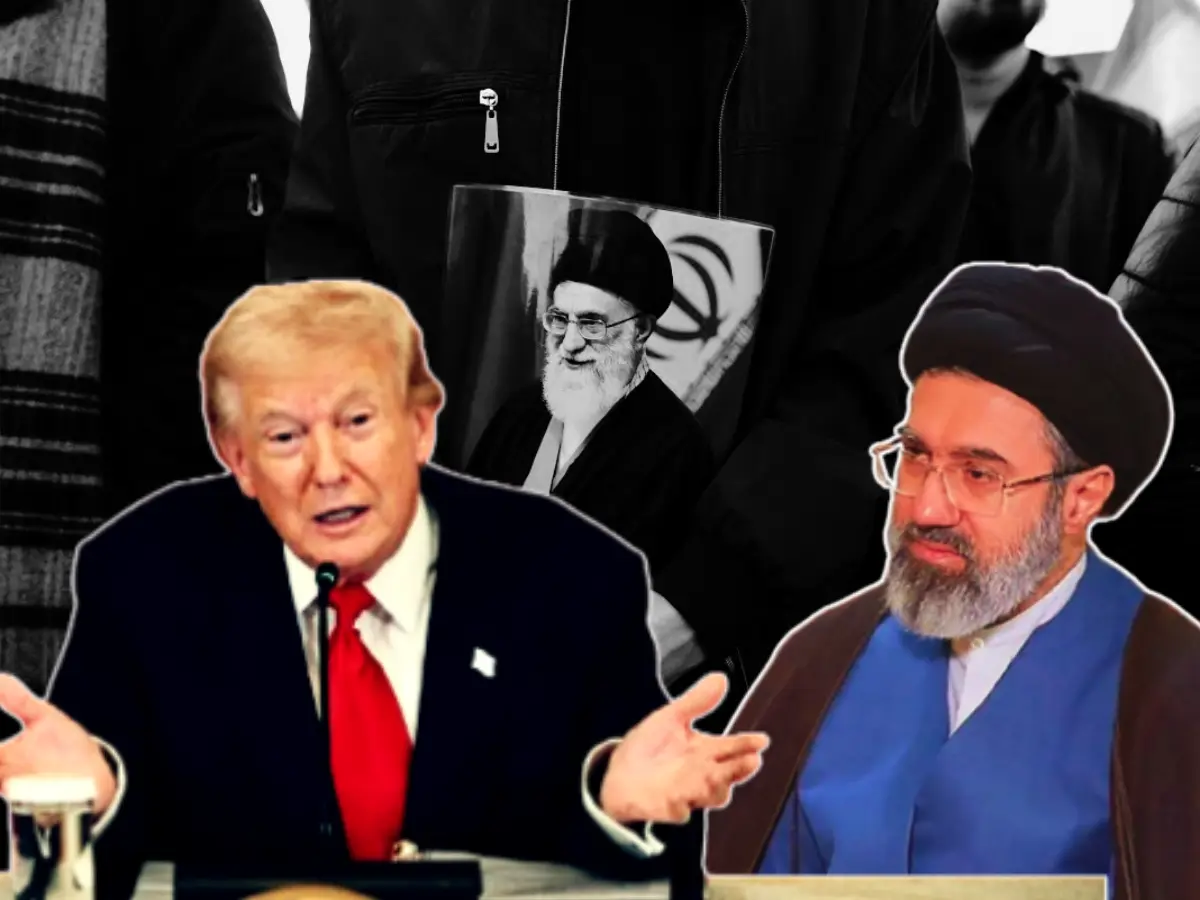
Iranian Vice President Says He Would Have Halted Nuclear Enrichment Had He Known US Planned to Kill Supreme Leader
Vice President Jafar Ghaempanah told reporters that, had he been aware of a U.S. plot to assassinate Supreme Leader Ali Khamenei, Iran would have stopped its uranium enrichment program to avoid the high costs of such a confrontation.
By SamacharDaily Editorial Team••2 min read
In a candid interview, Iran’s Vice President Jafar Ghaempanah said that the country’s ongoing uranium enrichment activities would have been suspended if Tehran had known the United States was planning to assassinate Supreme Leader Ali Khamenei. Ghaempanah emphasized that Iran’s strategic decisions are guided by a calculation of costs and benefits, and that a direct threat to the nation’s highest religious and political authority would have forced a reassessment of its nuclear pursuits. He did not provide details about the alleged U.S. plan, but his remarks suggest a perception within the Iranian leadership that external aggression could compel policy reversals.
The vice president’s comments come amid heightened tensions between Tehran and Washington, where the United States has repeatedly warned Iran over its nuclear program and imposed sanctions. While Iran continues to enrich uranium to levels below weapons-grade, it maintains that its nuclear activities are for peaceful purposes and sovereign rights. Ghaempanah’s statement reflects a broader narrative within Iran that external threats, especially those targeting the Supreme Leader, could reshape its strategic calculus, potentially leading to de‑escalation in certain areas to preserve national stability.
Analysts note that the vice president’s remarks may also be aimed at domestic audiences, reinforcing the government’s resolve to protect its leadership while signaling to the United States that any aggressive move could have unintended diplomatic repercussions. The statement underscores the delicate balance Iran seeks between advancing its nuclear capabilities and avoiding a direct confrontation that could jeopardize its political hierarchy.
Video: Iran’s foreign minister responds to Trump’s call for negotiations
The vice president’s admission highlights the extent to which Iran’s nuclear policy is intertwined with its security concerns and the perceived threats from the United States. If Tehran truly believes that a U.S. plot against Khamenei exists, it could influence future negotiations on the Joint Comprehensive Plan of Action (JCPOA) and affect regional stability. Moreover, the comment may be a strategic signal to Washington, suggesting that overt hostility could push Iran to reconsider its nuclear trajectory, potentially opening space for diplomatic engagement.
Understanding this perspective is crucial for policymakers in both countries. For the United States, any miscalculation could harden Iran’s stance or, conversely, provide leverage to negotiate concessions. For Iran, balancing its nuclear ambitions with the need to safeguard its leadership will shape its foreign policy choices in the coming months, especially as international scrutiny of its enrichment activities intensifies.
Three children died from measles in Bangladesh on Wednesday, raising the confirmed death count to 1,002 this year, the Directorate General of Health Services said.
Opposition leaders Giuseppe Conte and Elly Schlein on Wednesday denounced Rome's decision to stay out of a trade‑restriction coalition targeting illegal Israeli settlements in the occupied West Bank.
Huawei is set to stand trial in a U.S. federal court on accusations of breaching Iran sanctions and misappropriating competitors' trade secrets, just weeks before a planned Trump‑Xi meeting.
•2 min read
The Daily Briefing
Verified reporting and explanatory briefings delivered every morning. Zero fluff.