
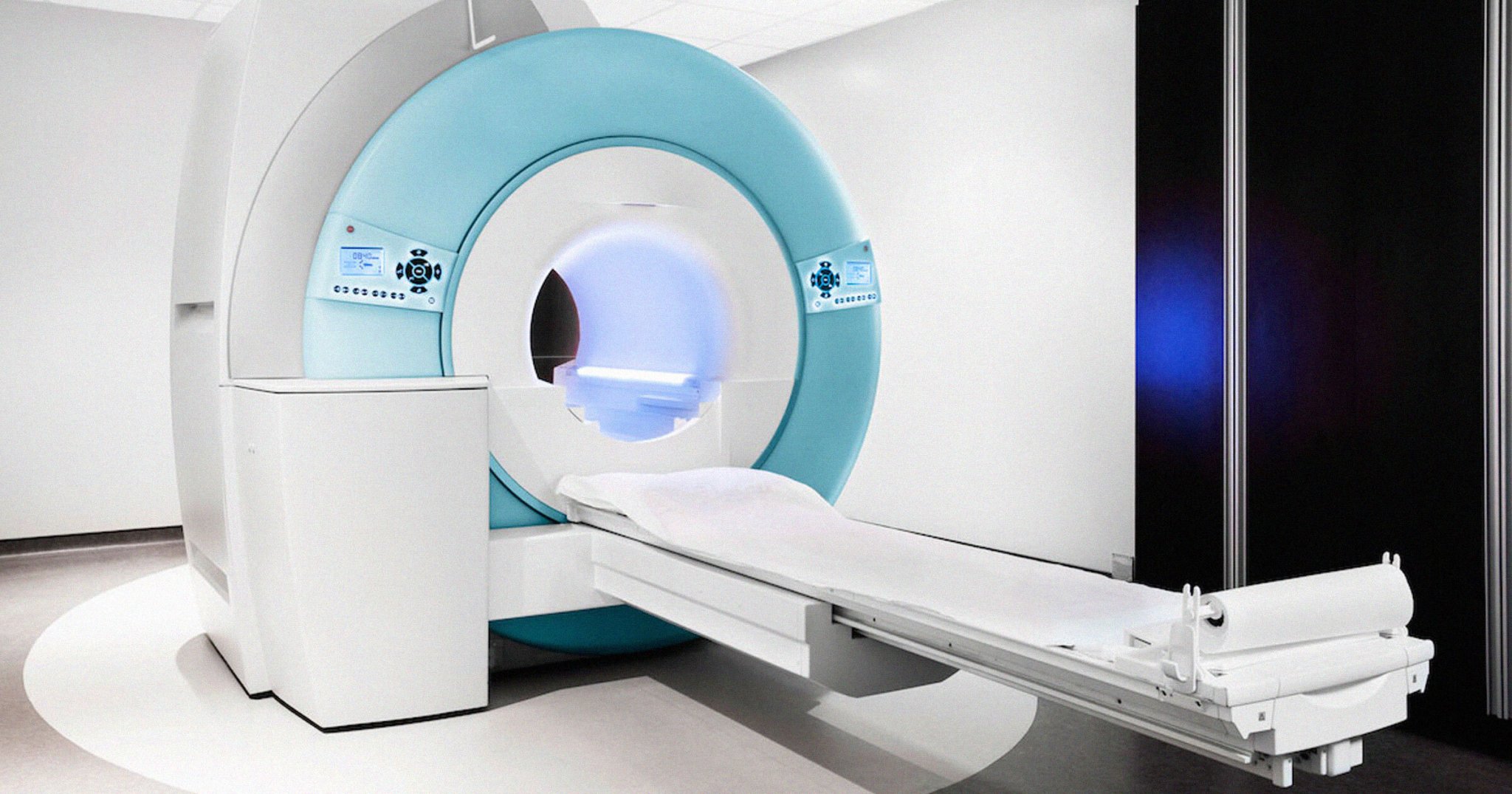
High-end medical startups are expanding their presence in the healthcare sector by offering specialized full-body diagnostic scans aimed primarily at wealthy consumers. These boutique health ventures market comprehensive, high-tech diagnostic screenings to affluent individuals willing to pay substantial out-of-pocket fees for early detection and personalized health monitoring. By offering full-body scans outside of standard clinical channels, these private companies provide high-net-worth clients with direct access to preventative diagnostic insights that are standardly unavailable in public settings.
The rapid commercial growth of these luxury medical services highlights a stark and troubling contrast within modern health infrastructure. While affluent patients utilize boutique health technologies to continuously monitor their well-being, the broader population continues to navigate a severely strained and crumbling public healthcare system. This pronounced split underscores how high-tech diagnostic tools are increasingly concentrated in private commercial hands for wealthy clients, rather than being integrated into general public healthcare systems for public benefit.
Although the digital health sector has heavily promoted virtual care and mobile platforms in recent years, industry analysts note that basic software tools are insufficient to address deep-rooted structural crises. Telehealth applications and digital consultation platforms cannot substitute for physical infrastructure or equalize access to high-end diagnostic machinery. As a result, virtual health platforms fail to bridge the functional gap between luxury diagnostic scanning procedures and underfunded, struggling mainstream care facilities.
The commercial focus of full-body diagnostic startups on wealthy clientele continues to fuel debate over medical equity and healthcare prioritization. As private ventures monetise preventative diagnostic scans, access to state-of-the-art medical imaging remains restricted to those with discretionary capital. Consequently, public healthcare systems remain heavily burdened by resource constraints and operational backlogs, leaving ordinary patients without access to similar early-detection medical technologies.
Ultimately, the surge in luxury diagnostic offerings reflects systemic shortcomings in public health policy and resource allocation. As private health startups capitalize on high-income demand for full-body scans, public health institutions face worsening infrastructure issues and structural decay. Without comprehensive structural reform, the expansion of commercial diagnostic technology will continue to serve affluent consumers while leaving broader public healthcare challenges and systemic failures unaddressed.


