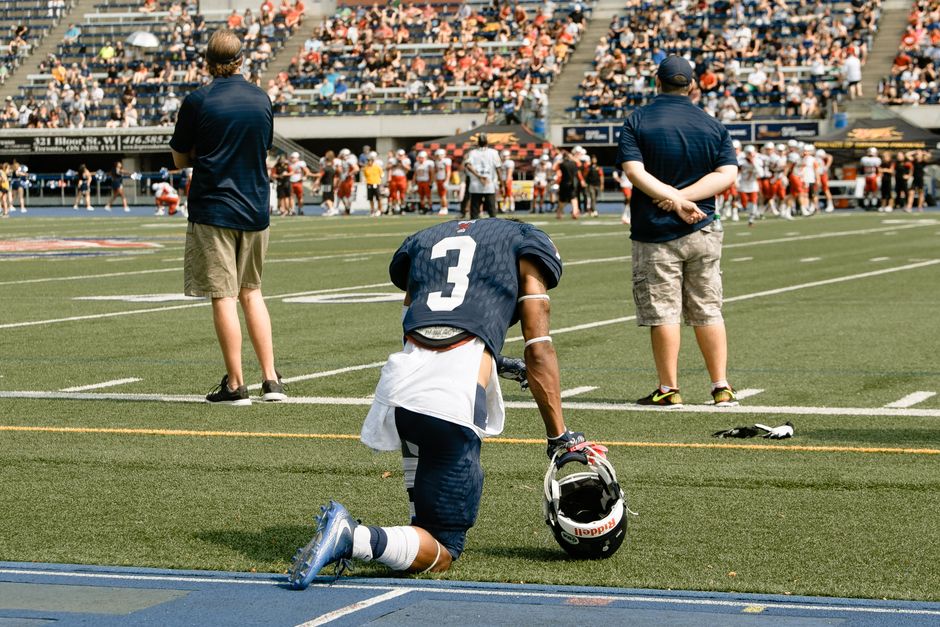
On December 4, 2016, San Francisco 49ers quarterback Colin Kaepernick took a knee on the field during the national anthem before a game against the Atlanta Falcons in Atlanta, Georgia. The silent gesture, captured on broadcast and stadium screens, marked a stark departure from the usual pre‑game routine and placed the 49ers’ star at the centre of a national conversation.
Kaepernick’s kneeling was a protest against systemic racial injustice and police brutality, echoing a lineage of athlete activism that stretches back decades. By choosing the anthem—a moment of collective patriotism—as his platform, he amplified the grievances of marginalized communities and signalled that sports could serve as a stage for social change.
The act ignited immediate and polarized reactions. While some commentators praised the courage of a high‑profile athlete using his visibility for a cause, others condemned the gesture as disrespectful. The NFL’s leadership faced pressure to respond, leading to a series of statements and policy reviews that underscored the league’s uneasy balance between commercial interests and social responsibility.
In the weeks that followed, Kaepernick’s protest catalysed a wave of similar demonstrations across professional sports. Players in the NFL, NBA, MLS and even collegiate leagues knelt, raised fists, or wore symbolic apparel during anthem ceremonies. The movement broadened the dialogue about racial equity, prompting sponsors, team owners, and legislators to confront the underlying issues highlighted by the athletes.
More than a year after the initial kneel, Kaepernick remains a focal point of the activism he helped revive. His continued advocacy, through public speaking and charitable foundations, has kept the conversation alive, influencing policy proposals on police reform and inspiring a new generation of athletes to view their platforms as vehicles for societal impact.