
The India Meteorological Department (IMD) has confirmed that present weather conditions in Karnataka are entirely unsuitable for carrying out cloud seeding operations aimed at inducing artificial rain. Speaking on atmospheric readiness, a senior official from the meteorological agency stated that the state currently lacks the foundational weather indicators required for successful rainfall enhancement interventions.
Weather modification experts point out that cloud seeding cannot be executed in a meteorological vacuum. According to the IMD official, effective cloud seeding relies explicitly on the presence of adequate density within specific atmospheric formations, namely cumulonimbus and cumulus clouds. These vertical, moisture-rich clouds act as the necessary conduits for chemical agents introduced during seeding flights.
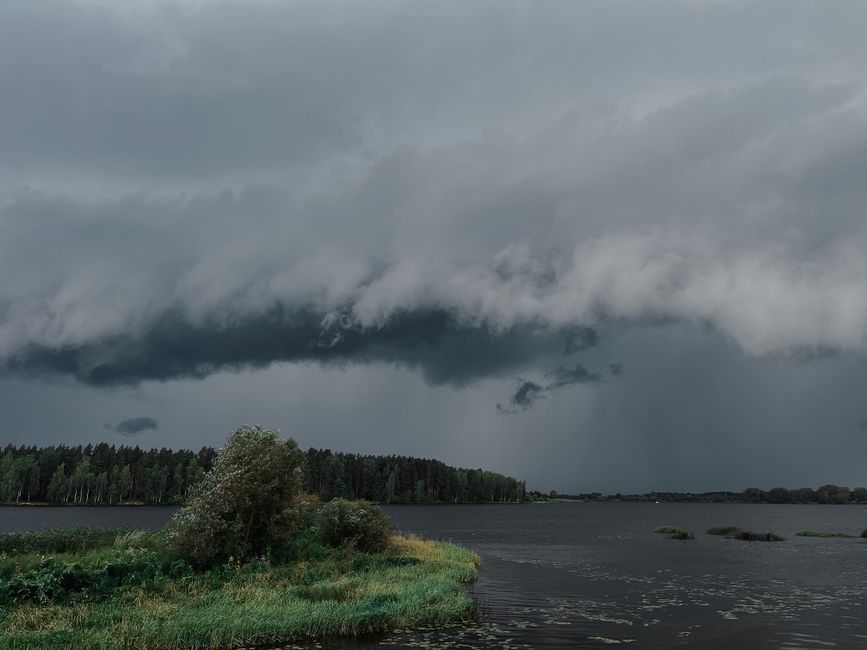
Detailed meteorological observations across Karnataka show an absence of these requisite cloud formations at the moment. Without the critical volume of cumulus and cumulonimbus clouds in the upper atmosphere, any attempt to disperse seeding agents would fail to produce measurable precipitation, rendering artificial rain efforts technically non-viable for the immediate period.
Cloud seeding operations generally involve spraying substances such as silver iodide, potassium iodide, or sodium chloride into targeted clouds via aircraft or ground generators to encourage droplets to coalesce and fall as rain. Authorities often evaluate this technology during periods of prolonged dry spells or severe agricultural water stress to alleviate regional water deficits.
The latest guidance from the IMD provides a key reality check for administrators and water management planners considering cloud seeding as a short-term drought mitigation tool. Until favorable weather systems develop to generate the required cloud density over Karnataka, any planned artificial rain initiatives will remain on hold.


