In a striking case of coordinated medical decision-making, 56-year-old businessman Afsar Ahmed Khan, who was in Gurgaon for work, developed sudden chest pain and significant discomfort that required urgent cardiac evaluation. Initially, Khan visited a local hospital in Gurgaon for assessment of his symptoms, where clinicians evaluated his condition before he made the decision to seek more specialized treatment elsewhere rather than undergo a procedure at the Gurgaon facility.
Choosing to prioritize access to trusted specialists, Khan subsequently travelled from Gurgaon to Kolkata, a distance of roughly 1,500 kilometres, to undergo the heart intervention. The cross-country transfer, undertaken while the patient was experiencing active cardiac symptoms, underscores both the logistical options available to Indian patients in metropolitan corridors and the willingness of patients in stable-enough condition to make long-distance medical journeys by air in search of familiar clinicians or family support networks.
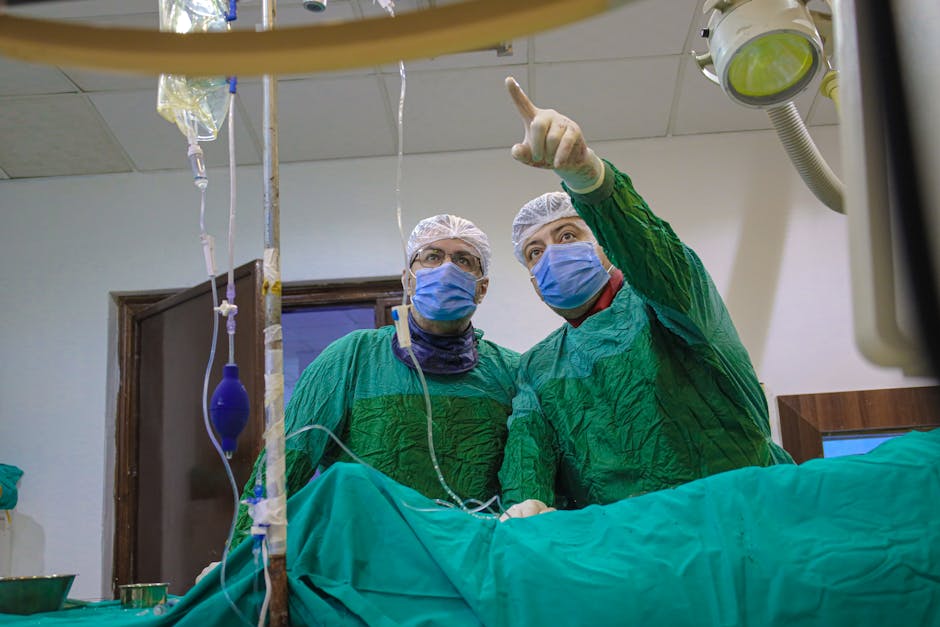
The intervention itself was ultimately successful, with the Kolkata-based medical team able to carry out the required cardiac procedure without complications reported at the time of the case being documented. Financial Samachar, the outlet that reported the story, framed the episode as a demonstration of timely medical guidance, patient courage and coordinated cardiac care spanning two major Indian cities. Such narratives have become more common as India's private tertiary-care hospitals compete for patients across regional boundaries, offering advanced interventional cardiology that was once confined to a handful of metros.
The episode also illustrates the practical realities of cardiac emergency response in India, where initial presentation may occur far from a patient's family or preferred hospital. Patients with acute coronary syndromes often face a narrow window for intervention, and decisions about where to undergo procedures such as angioplasty or stent placement can carry significant clinical consequences. Khan's case, as reported, ended with a positive result — but the underlying pattern raises broader questions about standardization of cardiac care quality across cities and the information infrastructure patients rely on when making split-second choices about where to be treated.
For India's growing medical-value-travel sector, the story adds another anecdote to a steady stream of cross-border patient movement stories, though in this instance the journey was domestic rather than international. Hospitals in Kolkata, Chennai, Hyderabad and the National Capital Region have all positioned themselves as hubs for complex cardiac work, and patient mobility between these centres is increasingly treated as routine rather than exceptional.