Eco India released episode 333 this week, continuing its weekly series that spotlights stories intended to inspire a cleaner, greener tomorrow. The episode, titled “How waste generation meets circularity for a better future,” is hosted on Scroll.in and follows the program’s tradition of pairing concise storytelling with actionable insight.
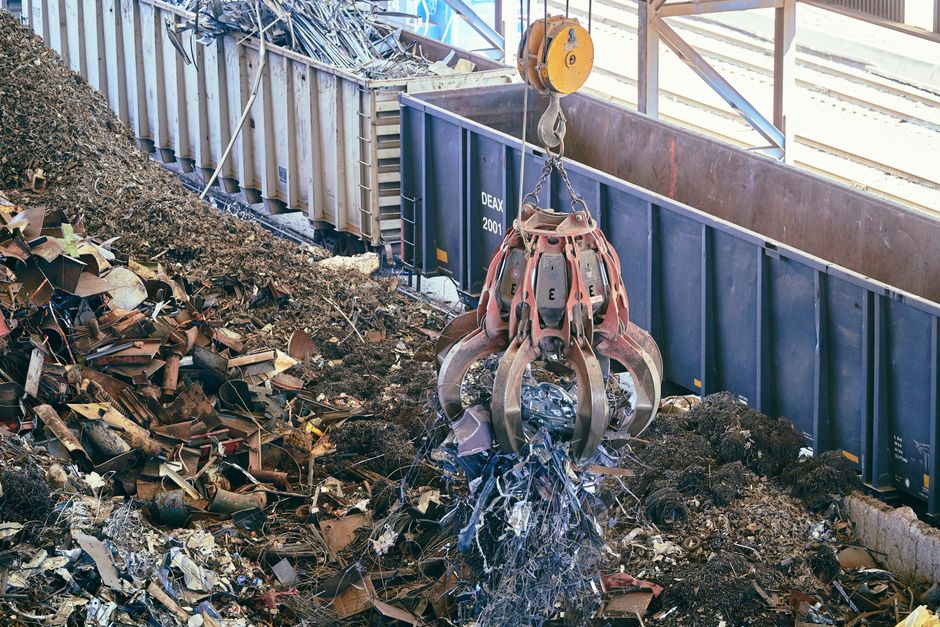
India today faces a mounting waste challenge, with municipal solid waste volumes rising sharply as urbanisation accelerates. Conventional disposal methods—landfills and open burning—have strained public health and environmental quality, prompting policymakers and entrepreneurs to explore circular‑economy alternatives that keep materials in use longer and reduce landfill dependence.
In this installment, Eco India frames the conversation around three pillars: policy frameworks that incentivise recycling, technological innovations that transform waste into value‑added products, and community‑driven initiatives that embed circular practices at the grassroots level. While the episode does not name specific projects, it underscores the broader shift toward designing products for reuse, establishing extended producer responsibility, and fostering markets for secondary raw materials.
The series positions itself as a catalyst for change, urging listeners to consider how everyday waste decisions ripple through the economy and environment. By highlighting the synergy between waste generation and circularity, episode 333 aims to equip citizens, businesses, and regulators with the knowledge needed to support a transition toward a more sustainable material lifecycle.