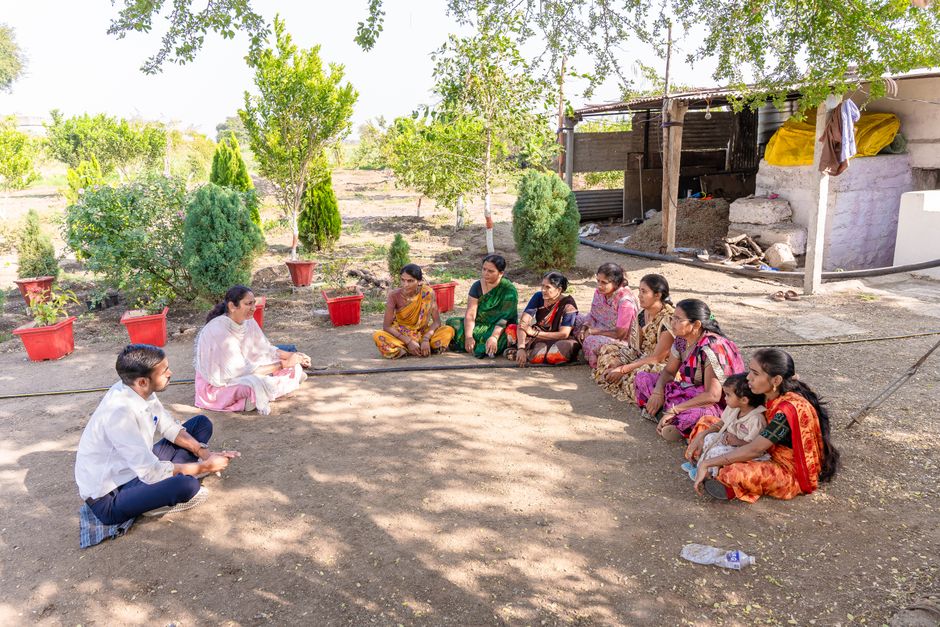
Rajesh Kumar Singh, reporting from Jharkhand, highlights that anganwadi centers across the state are experiencing severe financial strain. These centers, which are intended to provide early childhood care, nutrition and education to children under six, are finding it increasingly difficult to maintain their operations. The strain stems from a persistent mismatch between the rates at which the government reimburses expenses and the actual costs incurred in running the facilities. The centers are spread across various parts of the state, each grappling with the same financial constraints.
Anganwadis form a critical component of India's Integrated Child Development Services scheme, delivering supplementary nutrition, immunization, health check‑ups and pre‑school education to some of the most vulnerable communities. Each center is typically managed by a locally recruited worker, often a woman, who receives a modest stipend and is supported by a small team of helpers. The scheme aims to provide integrated services including health, nutrition and education, making anganwadis a first point of contact for many families.
The report notes that the government sets specific reimbursement rates for essential items such as food grains, milk, vitamins and teaching materials. However, the prices of these goods in local markets have risen substantially, creating a gap that makes it difficult for centers to procure the required supplies without incurring out‑of‑pocket expenses. In addition to food items, centers must purchase medicines, cleaning supplies and educational toys, all of which have seen price increases.
As a result, many anganwadis are forced to either scale back the quantity or quality of the nutrition provided, or to rely on informal contributions from parents and community members. In several instances, workers have reported having to use their own savings to cover rent, electricity and other operational costs, which has placed an additional burden on their families. This situation has led to a decline in the quality of care, with some children receiving fewer meals or less varied diets than recommended.
Child‑rights organizations and local elected representatives have called on the state government to revise the reimbursement rates to align with current market prices. They warn that without prompt intervention, the network of anganwadis, which serves millions of low‑income families, could face a breakdown in service delivery. The state government has not yet announced a formal response to the demands, but officials have indicated that the issue is under review.